
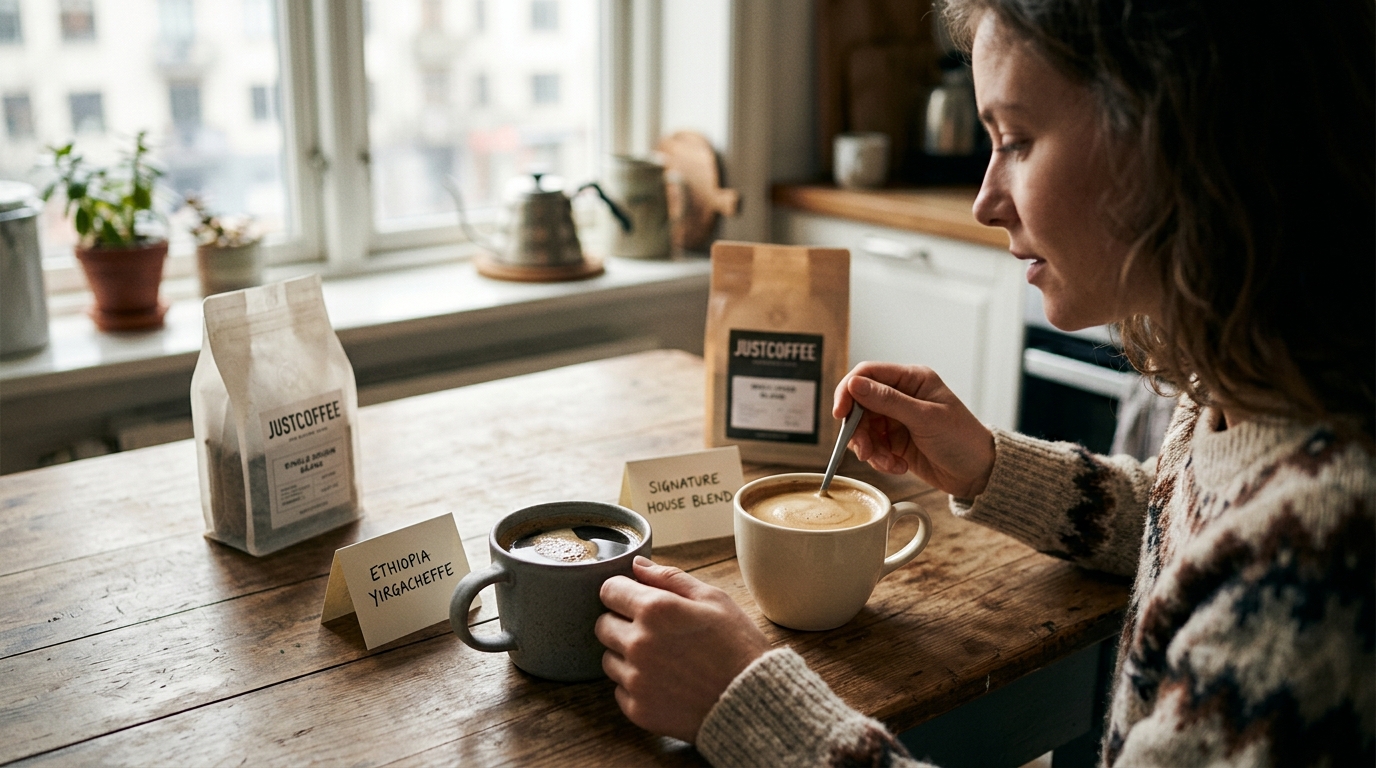
Choosing between single-origin and blended coffee is one of the most common dilemmas for coffee enthusiasts. According to industry data, the global coffee market is shifting toward specialty single-origin beans, with growth in this segment outpacing traditional blends in many Western markets. Understanding the distinction is crucial for selecting the right brew for your palate. This guide breaks down the flavor profiles, sourcing methods, and ideal use cases for each type to help you make an informed decision.
What Is Single-Origin Coffee?
Single-origin coffee is defined as coffee that comes from one specific geographic location. This could be a single farm, a cooperative of farms in the same region, or even a specific micro-lot within a larger estate. The defining characteristic is traceability. When you buy single-origin, you are buying a snapshot of a particular place and time.
The flavor of single-origin coffee is heavily influenced by its terroir. Terroir refers to the complete natural environment in which a particular crop is produced, including factors such as soil, rainfall, sunlight, and topography. For example, a coffee from Ethiopia will taste distinctly different from one grown in Colombia, even if they are the same varietal. This uniqueness is why single-origin beans are often celebrated for their complex, nuanced flavors.
At Just Coffee, we curate a selection of single-origin beans that highlight these unique regional characteristics. By focusing on one source, roasters can showcase the specific notes imparted by the local climate and soil, offering a transparent and authentic coffee experience.
What Is Blended Coffee?
Blended coffee, on the other hand, is a mixture of beans from two or more different geographic origins. The goal of blending is not to highlight a single region's unique traits but to create a consistent, balanced flavor profile that remains stable regardless of seasonal variations in individual crops. Blends are often designed to achieve a specific taste, such as a smooth, chocolatey espresso or a bright, fruity morning brew.
Historically, blends were created to ensure consistency for large-scale consumers. However, modern specialty blends are crafted with the same precision as single-origins. Roasters carefully select beans that complement each other, balancing acidity, body, and sweetness. For instance, a blend might combine a high-acidity bean from Kenya with a low-acidity, full-bodied bean from Brazil to create a well-rounded cup.
If you prefer a reliable, consistent taste every time you brew, blended coffees are an excellent choice. They offer versatility and are often more approachable for those new to specialty coffee.
Flavor Profiles and Tasting Notes
The most significant difference between single-origin and blended coffee lies in their flavor profiles. Single-origin coffees are known for their distinct, often intense flavors. You might detect notes of berries, citrus, jasmine, or wine, depending on the region. These flavors are a direct reflection of the bean's origin and the processing method used.
Blended coffees, by contrast, are designed for balance and harmony. The flavors are more integrated, with less emphasis on any single note. A typical blend might offer a combination of chocolate, nut, and caramel notes, creating a smooth and comforting cup. Blends are particularly popular for espresso because they provide a consistent crema and body that can be masked by milk in lattes and cappuccinos.
According to coffee industry reports, consumer preference for single-origin has risen as drinkers become more educated about flavor nuances. However, blends remain a staple in households and cafes for their reliability and versatility. At Just Coffee, we also offer flavored options that can be found in both single-origin and blended formats, allowing you to customize your experience further.
Sourcing, Ethics, and Traceability
Single-origin coffee often has a stronger narrative regarding sourcing and ethics. Because the bean comes from one place, it is easier to verify fair trade practices, sustainable farming methods, and direct trade relationships. Many single-origin coffees are marketed with detailed information about the farmers, the farm's history, and the environmental impact.
Blended coffees can also be ethically sourced, but the complexity of mixing beans from multiple regions can make traceability more challenging. However, many reputable roasters, including Just Coffee, prioritize ethical sourcing for all their products. They work directly with suppliers to ensure that fair wages and sustainable practices are maintained across their entire supply chain.
When you choose single-origin, you are often supporting a specific community or farm. When you choose a blend, you are supporting a broader network of growers. Both choices contribute to the sustainability of the coffee industry, but the impact is felt differently.
Best Brewing Methods for Each
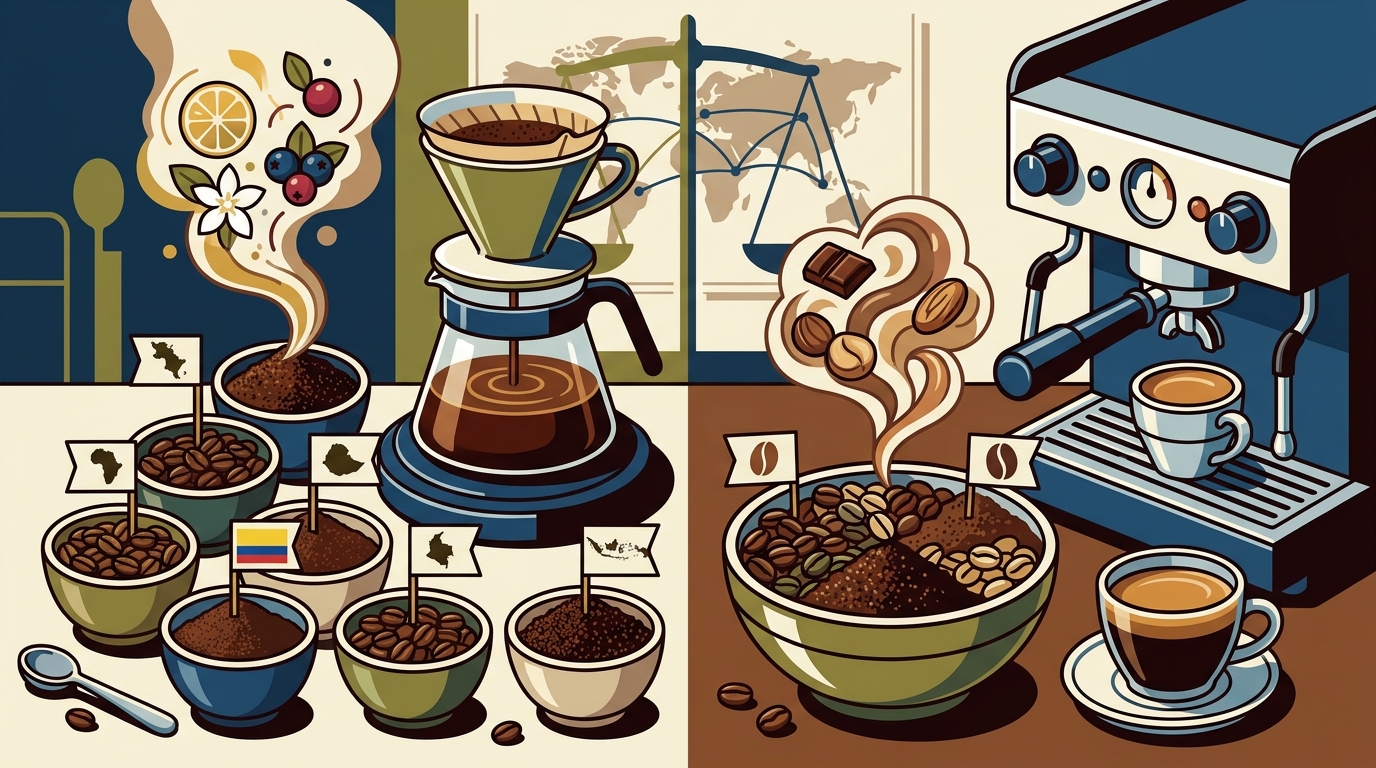
The choice of brewing method can enhance the characteristics of both single-origin and blended coffee. Single-origin coffees, especially those with delicate floral or fruity notes, are often best enjoyed using pour-over methods like the V60 or Chemex. These methods allow the subtle flavors to shine without being overwhelmed.
Blended coffees, particularly those designed for espresso, are ideal for pressure-based brewing methods. The robustness of a blend stands up well to the high pressure of an espresso machine, producing a rich crema and a full-bodied shot. Blends are also excellent for drip coffee makers and French presses, where their balanced flavor profile provides a consistent and satisfying cup.
For those who enjoy experimenting, sample packs offer a great way to test different brewing methods with both single-origin and blended beans. This allows you to discover which combinations work best for your taste preferences.
Comparison Summary
| Feature | Single-Origin Coffee | Blended Coffee |
|---|---|---|
| Source | One specific location or farm | Multiple geographic origins |
| Flavor Profile | Distinct, complex, terroir-driven | Balanced, consistent, harmonious |
| Traceability | High, often farm-specific | Variable, depends on roaster |
| Best For | Pour-over, black coffee, tasting | Espresso, milk drinks, daily brew |
| Consistency | Can vary by harvest | Highly consistent year-round |
Key Takeaways
- Definition: Single-origin coffee comes from one specific place, while blended coffee mixes beans from multiple origins.
- Flavor: Single-origin offers unique, terroir-driven flavors; blends provide balance and consistency.
- Traceability: Single-origin beans are easier to trace back to their source, supporting ethical farming.
- Brewing: Single-origin is ideal for pour-over; blends are perfect for espresso and milk-based drinks.
- Consistency: Blends are designed to taste the same every time, regardless of seasonal changes.
- Variety: Single-origin allows you to explore different regions and their unique characteristics.
- Accessibility: Blends are often more approachable for beginners due to their balanced profiles.
Frequently Asked Questions
Is single-origin coffee better than blended?
Neither is inherently better; it depends on your taste preferences. Single-origin is ideal for those who enjoy distinct, complex flavors and want to explore different regions. Blended coffee is better for those who prefer a consistent, balanced taste.
Why is single-origin coffee more expensive?
Single-origin coffee often costs more because it is sourced from specific, sometimes smaller, farms. The limited supply and the detailed traceability contribute to the higher price point.
Can I blend single-origin beans at home?
Yes, you can create your own blends by mixing single-origin beans. This allows you to customize the flavor profile to your liking.
What is the best way to store single-origin coffee?
Store single-origin coffee in an airtight container in a cool, dark place. Avoid refrigeration or freezing, as moisture and temperature fluctuations can degrade the flavor.
Do blends contain lower quality beans?
No, high-quality blends use premium beans selected for their complementary flavors. The goal is balance, not the use of inferior ingredients.
How do I know where my single-origin coffee is from?
Reputable roasters, like Just Coffee, provide detailed information about the origin, farm, and processing method on their product pages.
Is flavored coffee single-origin or blended?
Flavored coffee can be either. Some flavored coffees are made from single-origin beans, while others are blends. Check the product description for specifics.
What is the difference between light and dark roast in single-origin?
Light roasts preserve the unique flavors of the single origin, while dark roasts emphasize the roast character, which can mask some of the origin's nuances.
Shop Our Collection
Ready to explore the world of coffee? Whether you prefer the unique character of single-origin beans or the balanced harmony of blends, Just Coffee has something for you. Enjoy free shipping on all U.S. orders and discover your new favorite brew today.