
Understanding the distinction between single-origin and blended coffee is essential for any serious coffee enthusiast. According to the Specialty Coffee Association, the global specialty coffee market has seen significant growth, with consumers increasingly seeking transparency in their brews. This shift has made the origin of beans a critical factor in flavor profiling. Whether you prefer the complex, unique notes of a specific region or the consistent, balanced profile of a custom blend, knowing the difference helps you make better purchasing decisions. This guide breaks down the structural, flavor, and practical differences to help you choose the right beans for your daily ritual.
What Is Single-Origin Coffee?
Single-origin coffee is defined as coffee that comes from a specific geographic location, such as a single farm, cooperative, or region. This transparency allows drinkers to taste the unique characteristics of the soil, climate, and altitude where the beans were grown. This concept is often referred to as "terroir," which is the complete natural environment in which a particular crop is produced.
When you buy single-origin beans, you are essentially buying a snapshot of a specific place and time. For example, a coffee from Ethiopia might exhibit bright, fruity notes, while one from Sumatra might offer earthy, herbal tones. At Just Coffee, we curate our single origin collection to highlight these distinct regional identities. Each bag tells a story of the farmers who cultivated it and the environment that shaped its flavor.
The primary appeal of single-origin coffee is its complexity. Because the beans are not mixed with others, the subtle nuances of acidity, sweetness, and body are preserved. This makes it a favorite among pour-over and drip coffee enthusiasts who want to explore the full spectrum of flavors available in the coffee bean.
What Is Blended Coffee?
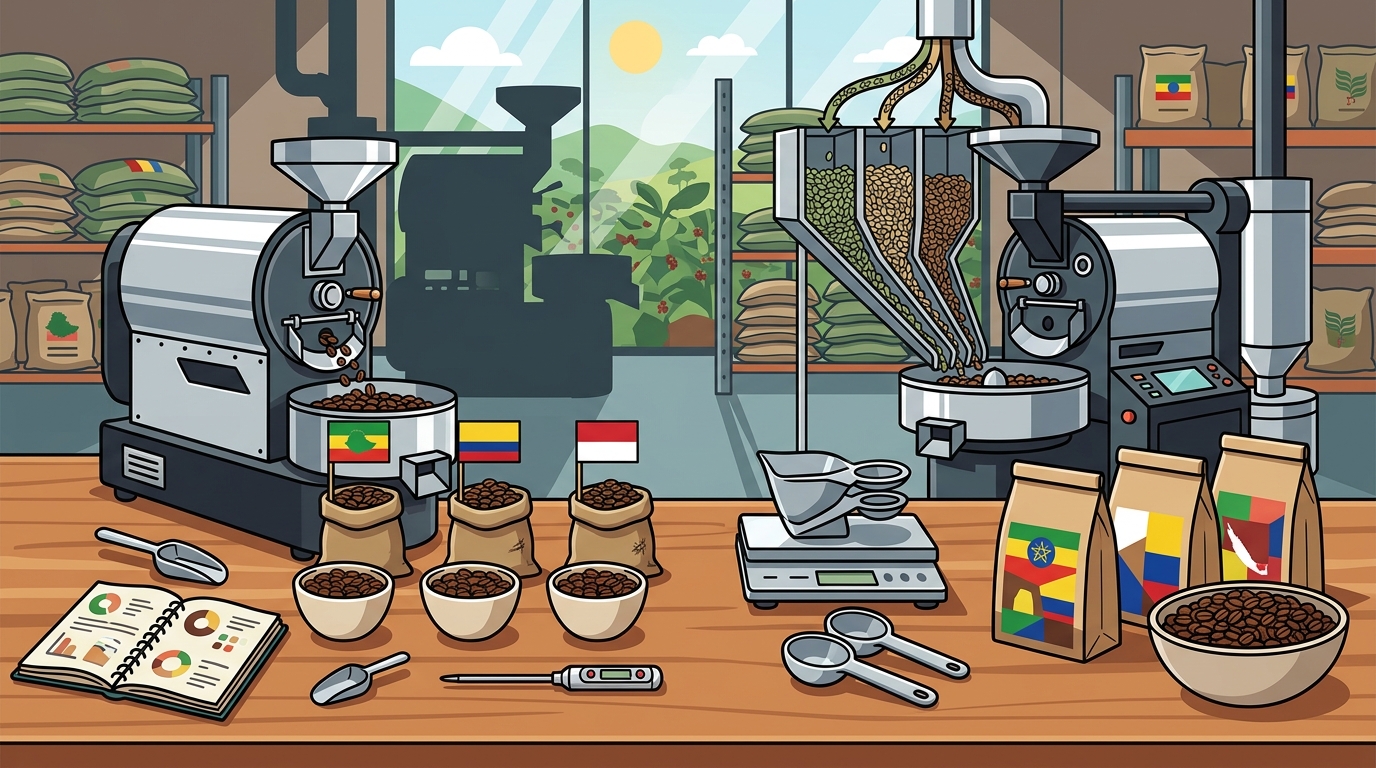
Blended coffee is created by mixing beans from two or more different geographic origins. The goal of blending is not to highlight a single region but to create a balanced, consistent, and complex flavor profile that might not exist in any single bean. Master roasters carefully select beans to complement each other, often combining a high-acid bean from one region with a low-acid, full-bodied bean from another.
Blends are particularly popular for espresso drinks. The consistency of a blend ensures that the taste remains the same regardless of the harvest season. If a roaster relied solely on a single harvest from one farm, the flavor of an espresso shot might change drastically from month to month. By blending, they can maintain a reliable standard. You can explore our curated blends at Just Coffee to find profiles that suit your taste preferences.
Another advantage of blended coffee is its versatility. Blends can be designed to cut through milk and sugar, making them ideal for lattes and cappuccinos. They can also be crafted to be exceptionally smooth for cold brew preparations. The art of blending lies in the balance, ensuring that no single bean overpowers the others.
Flavor Profiles and Terroir
The most significant difference between single-origin and blended coffee lies in their flavor profiles. Single-origin coffees are known for their distinct, often intense, regional characteristics. These flavors are directly influenced by the terroir, which includes factors like soil composition, rainfall, and altitude.
| Feature | Single-Origin Coffee | Blended Coffee |
|---|---|---|
| Origin | One specific farm or region | Multiple farms or regions |
| Flavor | Distinct, complex, unique | Balanced, consistent, smooth |
| Best For | Pour-over, drip, tasting | Espresso, milk drinks, daily brew |
| Consistency | Varies by harvest | Highly consistent year-round |
For instance, a single-origin coffee from Kenya might have a wine-like acidity and berry notes. In contrast, a blend designed for espresso might combine Brazilian beans for chocolatey body with Ethiopian beans for brightness. This combination creates a rich, full-bodied cup that stands up well to milk. If you are looking to experiment with different coffee varieties, visiting our full catalog is a great starting point.
Brewing Methods and Best Uses
Choosing the right brewing method can enhance the qualities of both single-origin and blended coffees. Single-origin coffees are often best enjoyed black, allowing their delicate flavors to shine. Methods like pour-over, AeroPress, and Chemex are ideal for highlighting the clarity and complexity of these beans.
Blended coffees, on the other hand, are often optimized for espresso machines. The higher pressure of an espresso machine extracts the oils and solids from the beans, creating a crema that is rich and persistent. This is why many espresso blends are roasted slightly darker to ensure a robust flavor that does not get lost in the milk of a latte. You can find our recommended sample packs to test different brewing styles with various bean types.
For those who prefer a more robust daily brew, a medium roast blend might be the perfect choice. It offers enough body to be satisfying while remaining approachable. Whether you are brewing a large batch for the office or a single cup at home, understanding the bean type helps you adjust your grind size and water temperature for the best result.
Price and Availability Factors
Price is another key differentiator. Single-origin coffees, especially those from rare micro-lots or high-altitude farms, can be more expensive. This is due to the limited supply and the often more labor-intensive farming practices required to produce high-quality beans. Additionally, the cost of shipping individual small-batch harvests can impact the final price.
Blended coffees are generally more affordable and widely available. Because they are made from a mix of beans, roasters can source from different regions to balance cost and quality. This allows them to offer a consistent product at a stable price point. However, premium blends made from high-grade single origins can also command higher prices.
At Just Coffee, we strive to offer both options to suit different budgets and preferences. Our flavored and teas collections also provide variety for those who enjoy experimenting with different taste profiles. We offer free shipping on all U.S. orders, making it easier to explore both single-origin and blended options without extra cost.
Key Takeaways
- Definition: Single-origin coffee comes from one specific location, while blended coffee mixes beans from multiple origins.
- Flavor: Single-origin coffees offer unique, region-specific flavors, whereas blends provide a balanced, consistent taste.
- Brewing: Single-origin is best for black coffee methods like pour-over, while blends are ideal for espresso and milk drinks.
- Consistency: Blends are designed for year-round consistency, while single-origin flavors may vary by harvest.
- Price: Single-origin coffees can be more expensive due to limited supply and sourcing costs.
- Transparency: Single-origin labels provide greater transparency about the source of your coffee.
- Versatility: Blends offer versatility in flavor profiles and are often more affordable for daily consumption.
Frequently Asked Questions
Is single-origin coffee better than blended?
Neither is inherently better; it depends on your taste preferences. Single-origin coffees are preferred for their unique, complex flavors and transparency. Blended coffees are chosen for their consistency and ability to stand up to milk and sugar.
What does "terroir" mean in coffee?
Terroir refers to the environmental factors that affect a crop's flavor, including soil, climate, and altitude. It is a key concept in understanding single-origin coffee profiles.
Can I blend my own coffee at home?
Yes, you can buy single-origin beans and mix them at home to create your own custom blend. This allows you to experiment with different flavor combinations until you find your perfect profile.
Why is single-origin coffee more expensive?
Single-origin coffees are often more expensive because they come from specific, limited harvests. The cost of sourcing, processing, and shipping small batches from remote regions also contributes to the higher price.
What is the best brewing method for single-origin coffee?
Pour-over methods like the Hario V60 or Chemex are excellent for single-origin coffees. They allow for precise control over extraction, highlighting the delicate flavors and acidity of the beans.
Do blended coffees lose their flavor over time?
Blended coffees are designed to be consistent, but like all coffee, they lose freshness over time. It is best to consume them within a few weeks of roasting for optimal flavor.
How do I know if a coffee is single-origin?
Look for specific details on the packaging, such as the country, region, farm, or cooperative name. Single-origin labels will explicitly state the source of the beans.
Shop Now
Ready to explore the world of coffee? Whether you are drawn to the unique character of a single-origin bean or the reliable comfort of a expert blend, Just Coffee has something for you. Browse our full collection today and experience the difference. Enjoy free shipping on all U.S. orders and start your coffee journey with confidence.