
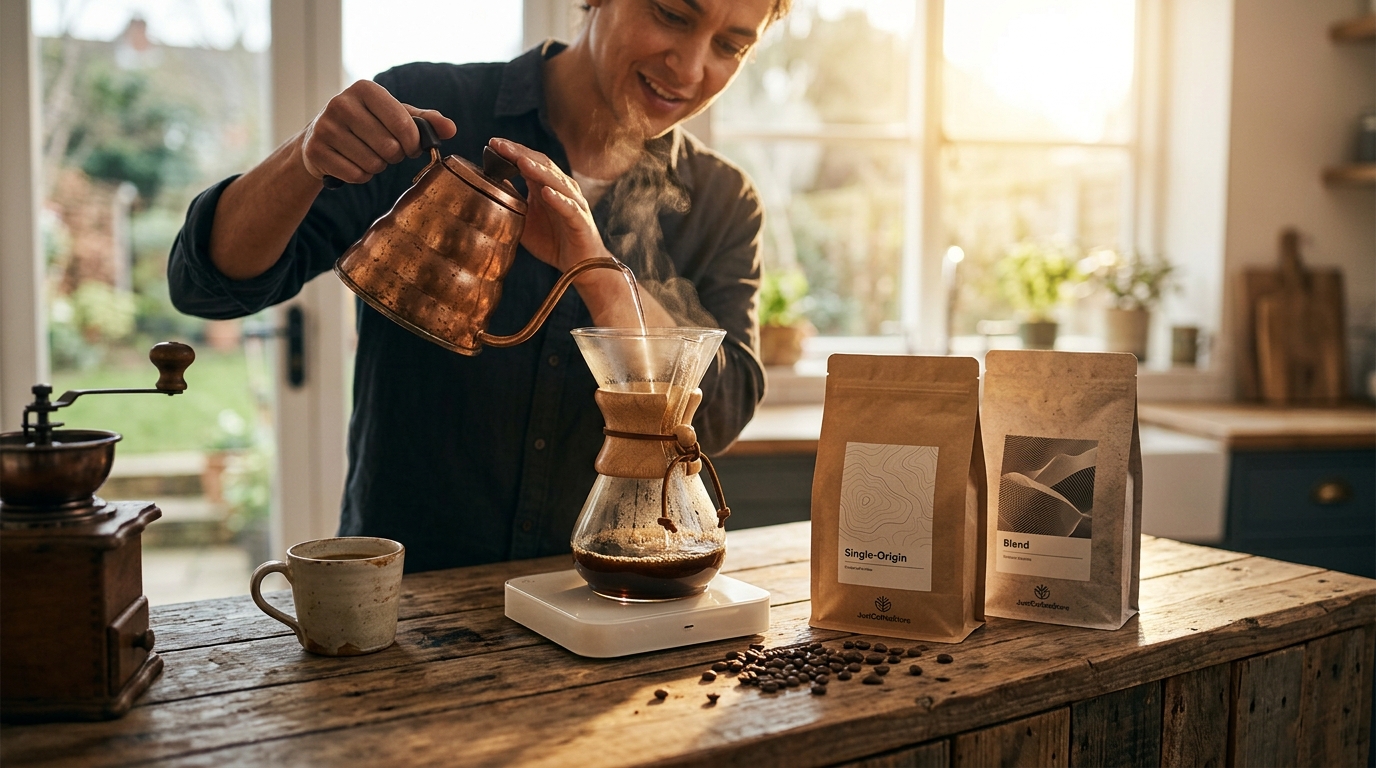
Choosing between single-origin and blended coffee often feels like navigating a complex maze of flavor profiles and sourcing ethics. According to the Specialty Coffee Association, the global specialty coffee market has seen significant growth, with consumers increasingly prioritizing traceability and unique flavor notes in their daily brew. This shift has elevated the conversation from simple caffeine delivery to a nuanced exploration of terroir and craftsmanship. Understanding the fundamental distinctions between these two approaches is essential for selecting the right beans for your palate and brewing method.
Defining Single-Origin Coffee
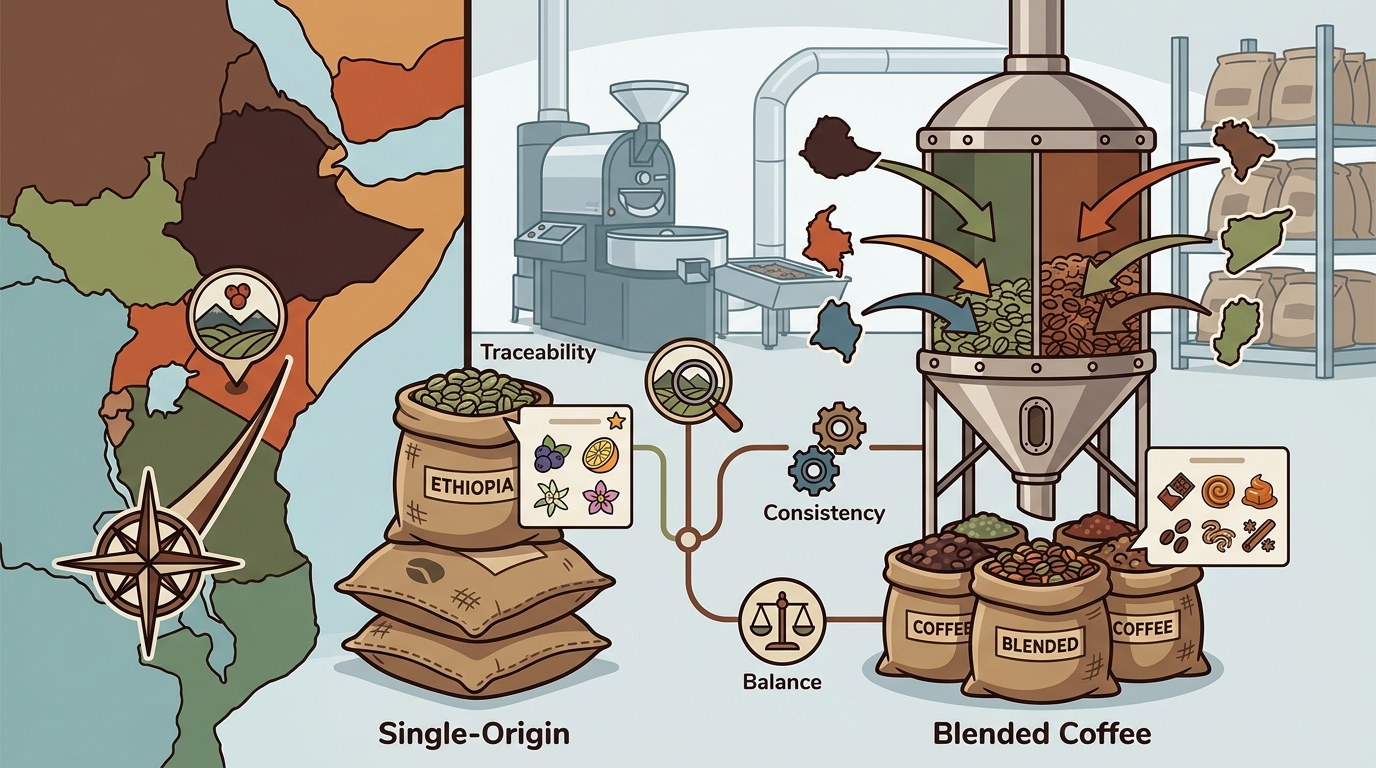
Single-origin coffee is coffee that comes from a specific geographic location, such as a single farm, cooperative, or region. This transparency allows drinkers to taste the unique characteristics of the soil, climate, and altitude where the beans were grown. When you purchase single-origin coffee, you are engaging with the concept of terroir, much like wine enthusiasts do with vineyards.
The primary appeal of single-origin beans is their distinct flavor identity. For example, Ethiopian Yirgacheffe beans often exhibit bright, floral, and citrusy notes, while Sumatran beans might offer earthy, woody, and full-bodied characteristics. This variety is not accidental but a direct result of the microclimate and agricultural practices of that specific area. By isolating the source, roasters can highlight the natural sweetness and acidity inherent in the bean without masking it with other varieties.
Defining Blended Coffee
Blended coffee is created by mixing two or more different types of coffee beans to achieve a specific flavor profile or balance. Unlike single-origin beans, which celebrate individuality, blends are designed for harmony and consistency. A classic example is a espresso blend that combines a Brazilian bean for body and sweetness with an Ethiopian bean for acidity and aroma. This combination creates a cup that is greater than the sum of its parts.
The art of blending is a skill that requires deep expertise. Roasters must understand how different beans interact during the roasting process and how they extract during brewing. Blends are particularly popular for espresso drinks because they provide a stable, reliable base that stands up well to milk and sugar. If you are looking for a balanced daily driver, exploring our blends collection can help you find a mix that suits your morning routine.
Flavor Profiles and Complexity
The most significant difference between single-origin and blended coffee lies in their flavor complexity. Single-origin coffees are often described as having "bright" or "distinct" notes. They can be highly acidic, fruity, or floral. This complexity is appreciated by those who enjoy tasting the subtle nuances of the bean. It is a journey of discovery with every sip.
In contrast, blended coffees are crafted for balance. The goal is to smooth out harsh edges and create a cohesive flavor experience. Blends often feature notes of chocolate, nuts, and caramel, which are universally appealing and less polarizing than the intense fruitiness of some single origins. This makes blends an excellent choice for those who prefer a smoother, more approachable cup. You can find a variety of flavored options that also cater to those seeking specific taste experiences.
Consistency vs. Seasonality
Consistency is a major factor in choosing between these two types of coffee. Blended coffees are designed to taste the same year-round. Roasters achieve this by adjusting the proportions of different beans to compensate for seasonal variations in harvest. This ensures that your favorite morning brew remains reliable, regardless of when you order it.
Single-origin coffees, however, are subject to the vagaries of nature. Each harvest season brings slight variations in flavor due to weather conditions, rainfall, and soil health. This seasonality is part of the charm for many coffee lovers. It connects them to the agricultural cycle and the farmers who produce the beans. However, it means that the flavor profile may shift slightly from one purchase to the next. For those who value predictability, sample packs can be a great way to explore how different origins change over time.
Pricing and Value Analysis
Pricing structures also differ between single-origin and blended coffees. Single-origin beans are often priced higher because they are treated as a premium product. The cost reflects the specific farming practices, the rarity of the variety, and the logistics of sourcing from a single location. High-altitude grown beans, for instance, require more labor and yield less fruit, driving up the cost.
Blended coffees can offer more accessible pricing. By combining beans, roasters can create a high-quality product that is cost-effective to produce. This does not mean blends are inferior; rather, they represent a different value proposition. They offer reliability and balance at a potentially lower price point. Understanding this helps consumers make informed decisions based on their budget and taste preferences.
Comparison Summary
| Feature | Single-Origin Coffee | Blended Coffee |
|---|---|---|
| Source | One specific farm or region | Multiple farms or regions |
| Flavor Profile | Distinct, complex, terroir-driven | Balanced, smooth, consistent |
| Consistency | Varies by harvest season | Year-round consistency |
| Best For | Pour-over, drip, tasting notes | Espresso, milk-based drinks |
| Price Point | Often higher due to rarity | Often more accessible |
Key Takeaways
- Traceability: Single-origin coffee offers full traceability to a specific farm or region, allowing for a deeper connection to the source.
- Flavor Complexity: Single-origin beans highlight unique terroir characteristics, while blends prioritize balance and harmony.
- Consistency: Blends are engineered to provide a consistent taste experience year-round, unlike single-origins which change with the seasons.
- Versatility: Blends are often preferred for espresso and milk drinks due to their body and stability.
- Ethical Sourcing: Buying single-origin often supports specific farming communities and sustainable agricultural practices directly.
- Exploration: Single-origin coffees encourage exploration of global coffee cultures and diverse flavor profiles.
- Accessibility: Blends can offer a high-quality coffee experience at a more accessible price point for daily consumption.
Frequently Asked Questions
Is single-origin coffee better than blended?
Neither is inherently better; it depends on your taste preferences. Single-origin is ideal for those who enjoy distinct, complex flavors and want to explore different regions. Blends are better for those who prefer a balanced, consistent cup that works well with milk or sugar.
Why do single-origin coffees taste different each year?
Single-origin coffees taste different because they are agricultural products. Weather conditions, rainfall, and soil health vary each harvest season, affecting the flavor profile of the beans. This seasonality is a natural part of the coffee growing process.
Can I blend my own coffee at home?
Yes, you can blend your own coffee at home. Many enthusiasts buy single-origin beans and mix them to create their perfect profile. This allows for complete customization of flavor, acidity, and body according to your personal taste.
Which is better for espresso?
Blends are traditionally preferred for espresso because they provide a balanced flavor profile that stands up to high-pressure extraction. However, many modern espresso enthusiasts enjoy single-origin espressos for their unique and bright characteristics.
Are single-origin coffees more expensive?
Single-origin coffees are often more expensive due to the specific farming practices, rarity of the variety, and direct trade relationships that support them. However, prices vary widely based on the region and quality of the beans.
What is the best way to brew single-origin coffee?
Single-origin coffees are often best brewed using methods that highlight their clarity and nuance, such as pour-over, drip, or French press. These methods allow the unique flavor notes of the bean to shine through without being masked by the intensity of espresso.
Do blended coffees lack quality?
No, blended coffees do not lack quality. They require skilled roasting to combine different beans effectively. A well-crafted blend can be just as high-quality and enjoyable as a single-origin coffee, offering a different but equally valid coffee experience.
Shop Fresh Coffee
Whether you prefer the distinct character of single-origin beans or the balanced harmony of a expert blend, Just Coffee offers freshly roasted options delivered to your door. Explore our full collection to find the perfect coffee for your morning ritual. Enjoy free shipping on all U.S. orders and elevate your coffee experience today.