
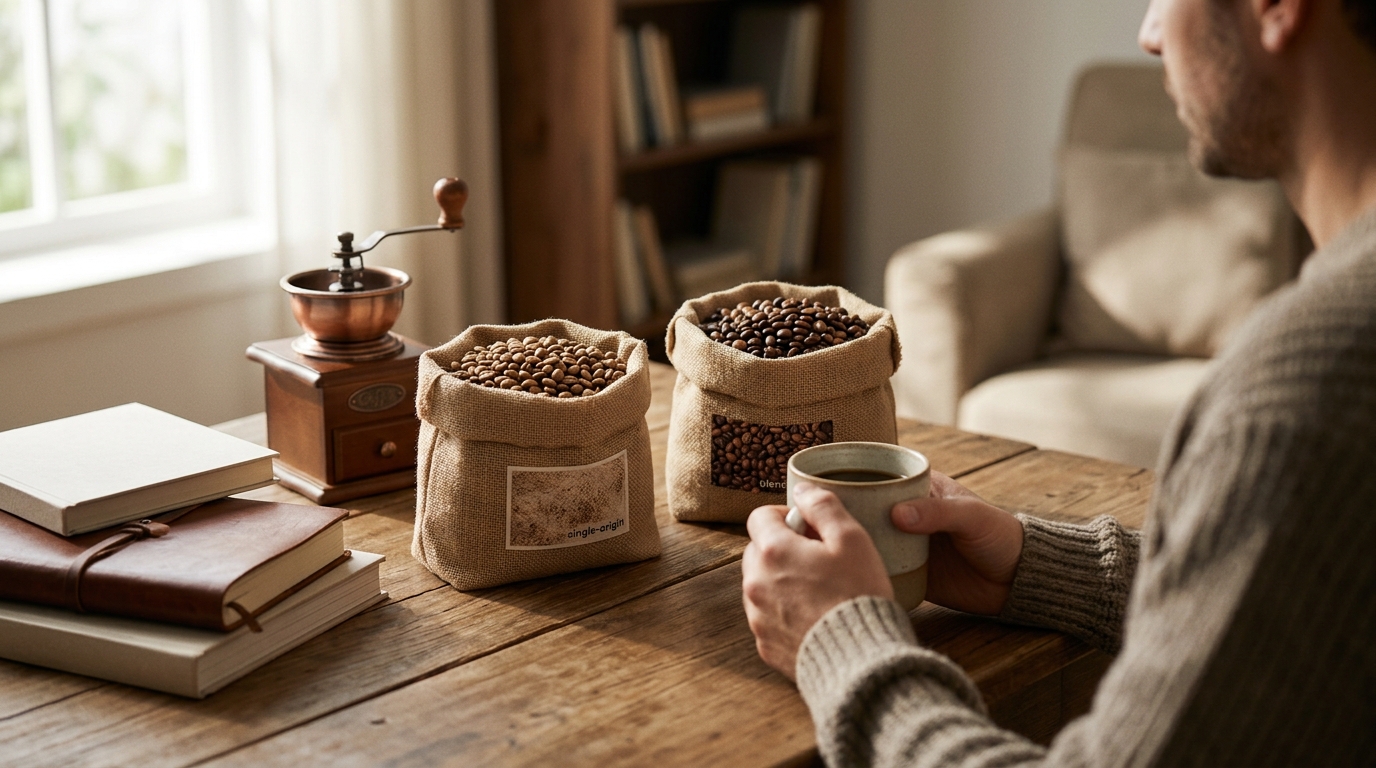
Choosing between single-origin and blended coffee often comes down to whether you prioritize unique terroir or consistent flavor profiles. According to the Specialty Coffee Association, the global coffee industry has seen a significant shift toward transparency, with single-origin beans capturing a larger share of the specialty market in 2024. This trend reflects a growing consumer desire to understand the journey of their coffee from farm to cup. Understanding these differences helps you make informed purchasing decisions that align with your taste preferences and brewing methods.
Defining Single-Origin and Blended Coffee
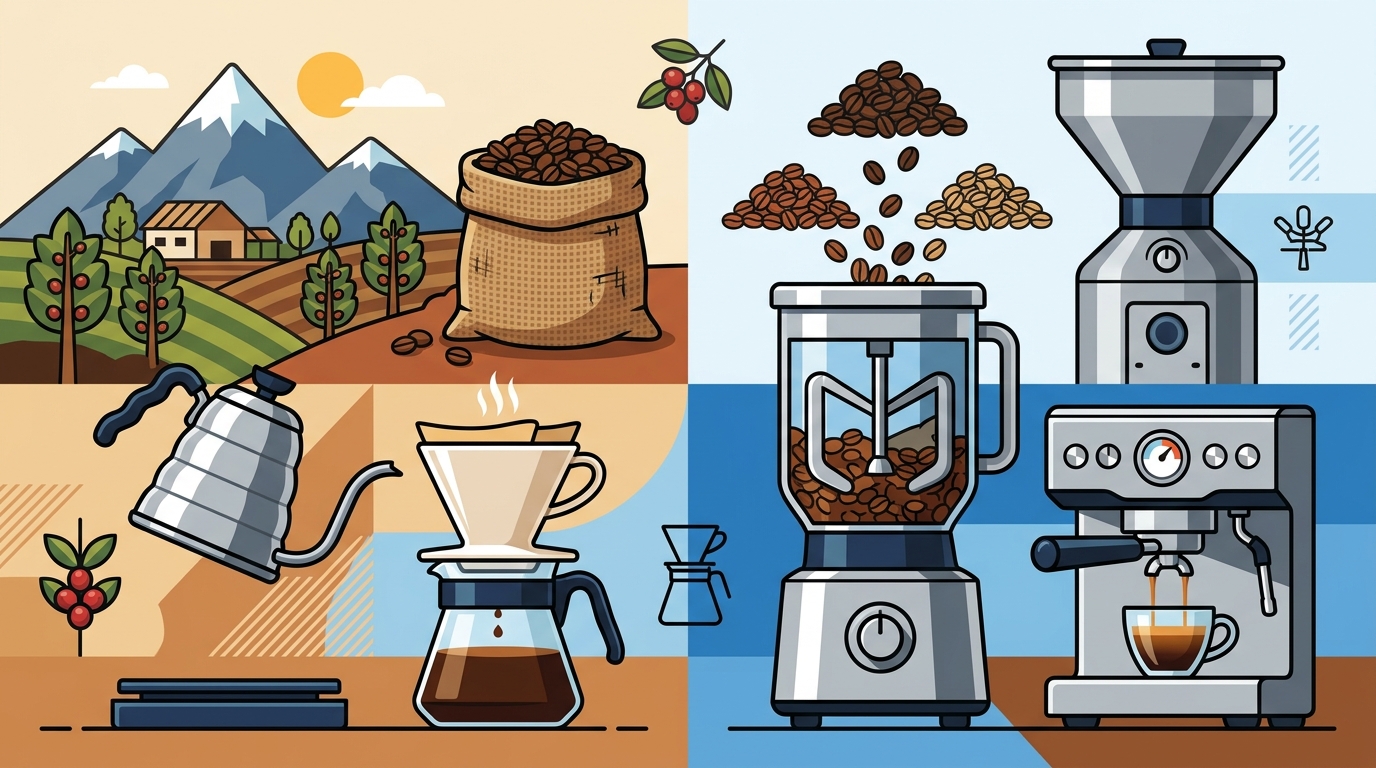
To navigate the coffee aisle with confidence, you must first understand the fundamental definitions. Single-origin coffee is coffee grown in a specific geographic location, such as a single farm, region, or country. This specificity allows the unique characteristics of the soil, climate, and altitude to shine through in the final brew. In contrast, blended coffee is a mixture of two or more types of coffee beans, often from different regions. Roasters create blends to achieve a balanced flavor profile that might not be possible with a single bean alone.
At Just Coffee, we offer both categories to cater to diverse palates. Our Single Origin collection highlights the distinct flavors of beans from places like Ethiopia and Colombia. Meanwhile, our Blends collection is crafted for those who enjoy a harmonious mix of flavors. Understanding these definitions is the first step to unlocking your perfect cup.
Flavor Profiles and Complexity
The most significant difference lies in the taste experience. Single-origin coffees are celebrated for their complexity and distinct notes. Because they come from one place, they often exhibit fruity, floral, or spicy notes that reflect the local environment. For example, a coffee from Kenya might have bright acidity and berry notes, while one from Sumatra might be earthy and full-bodied.
Blended coffees, on the other hand, are designed for balance. Roasters combine beans to smooth out harsh notes and create a consistent taste. A classic espresso blend might mix a Brazilian bean for chocolatey body with an Ethiopian bean for acidity. This combination ensures that the coffee tastes good whether you are drinking it black or with milk. If you prefer a reliable, smooth cup every morning, a blend is often the better choice. For more details on our Flavored options, which often use blends as a base, visit our shop.
Consistency vs. Uniqueness
Consistency is a major factor in coffee production. Large commercial roasters often rely on blends to ensure that a customer buying a bag of coffee today tastes the same as one bought next month. This is because agricultural products vary from year to year due to weather and harvest conditions. By mixing beans, roasters can mask these variations and maintain a standard product.
Single-origin coffees embrace variability. Each harvest tells a story of that specific year's climate. This uniqueness is highly valued by coffee enthusiasts who enjoy exploring new flavors. However, it means that the taste might shift slightly between batches. This is not a flaw but a feature of high-quality, traceable coffee. You can explore our Sample Packs to try different single-origin beans and compare their unique characteristics.
Brewing Methods for Each Type
Different brewing methods highlight different aspects of coffee. Single-origin coffees, especially those with delicate floral or fruity notes, often shine in pour-over methods like the V60 or Chemex. These methods allow the subtle nuances of the bean to be appreciated without being masked by heavy body. If you are new to single-origin, start with a light roast to experience the full spectrum of flavors.
Blended coffees are traditionally favored for espresso. The combination of beans creates a crema that is rich and stable, along with a body that stands up well to milk and sugar. However, modern brewing trends show that blends can also be excellent for drip coffee and French press. They provide a comforting, familiar taste that works well for daily consumption. You can find our recommended brewing guides and equipment on our homepage.
Pricing and Value Analysis
Pricing in the coffee industry is influenced by origin, processing method, and scarcity. Single-origin coffees, particularly those from micro-lots or rare varietals, can be more expensive. This is due to the higher cost of farming in specific regions and the limited supply. However, the price reflects the quality and the ethical treatment of farmers. Many single-origin coffees are sold as direct trade, ensuring fair wages for producers.
Blended coffees can vary widely in price. High-quality blends using premium single-origin beans will cost more than budget blends. Generally, blends offer a consistent value proposition, providing a reliable taste at a predictable price point. At Just Coffee, we strive to offer fair prices on both single-origin and blended options. Our All Coffees collection includes options for every budget.
| Feature | Single-Origin Coffee | Blended Coffee |
|---|---|---|
| Source | One specific farm or region | Multiple farms or regions |
| Flavor | Distinct, complex, unique | Balanced, consistent, smooth |
| Brewing | Pour-over, AeroPress | Espresso, Drip, French Press |
| Price | Often higher due to scarcity | Variable, often more affordable |
| Best For | Exploration and tasting | Daily consistency and milk drinks |
Key Takeaways
- Single-origin coffee comes from one specific location, offering unique flavors that reflect the local terroir.
- Blended coffee combines multiple beans to create a balanced and consistent flavor profile.
- Single-origin coffees are ideal for pour-over brewing to highlight delicate notes.
- Blends are traditionally preferred for espresso due to their body and crema stability.
- Single-origin prices can be higher due to the scarcity and specific farming practices involved.
- Blends offer reliability, ensuring your coffee tastes the same batch after batch.
- At Just Coffee, we provide free shipping on all U.S. orders, making it easy to try both types.
Frequently Asked Questions
Is single-origin coffee better than blended?
Neither is inherently better. Single-origin is preferred for its unique, complex flavors, while blended coffee is chosen for its consistency and balance. Your choice depends on your personal taste preferences.
What is the best brewing method for single-origin coffee?
Pour-over methods like the Hario V60 or Kalita Wave are excellent for single-origin coffees. They allow you to control the extraction and highlight the subtle floral and fruity notes.
Why do blends cost less than single-origin?
Blends can be more affordable because they allow roasters to balance cost by mixing beans. However, high-quality blends using premium beans can be just as expensive as single-origin options.
Can I drink single-origin coffee with milk?
Yes, you can. While single-origin coffees are often enjoyed black to appreciate their nuances, many people enjoy them with milk. Look for single-origin coffees with a medium to dark roast for better milk compatibility.
What is a sample pack?
A sample pack is a curated selection of small bags of coffee, allowing you to try multiple varieties without committing to full bags. It is a great way to explore both single-origin and blended options.
How often should I buy fresh coffee?
For the best flavor, it is recommended to buy coffee in quantities you can consume within two to four weeks of roasting. Just Coffee roasts fresh regularly to ensure quality.
What does "direct trade" mean?
Direct trade means the roaster buys coffee directly from the farmer, bypassing intermediaries. This often results in higher prices for farmers and higher quality coffee for consumers.
Shop Fresh Coffee Today
Whether you are drawn to the unique character of single-origin beans or the comforting consistency of a classic blend, Just Coffee has something for you. Explore our All Coffees collection and discover your new favorite roast. Enjoy free shipping on all U.S. orders and taste the difference of freshly roasted coffee delivered to your door.