
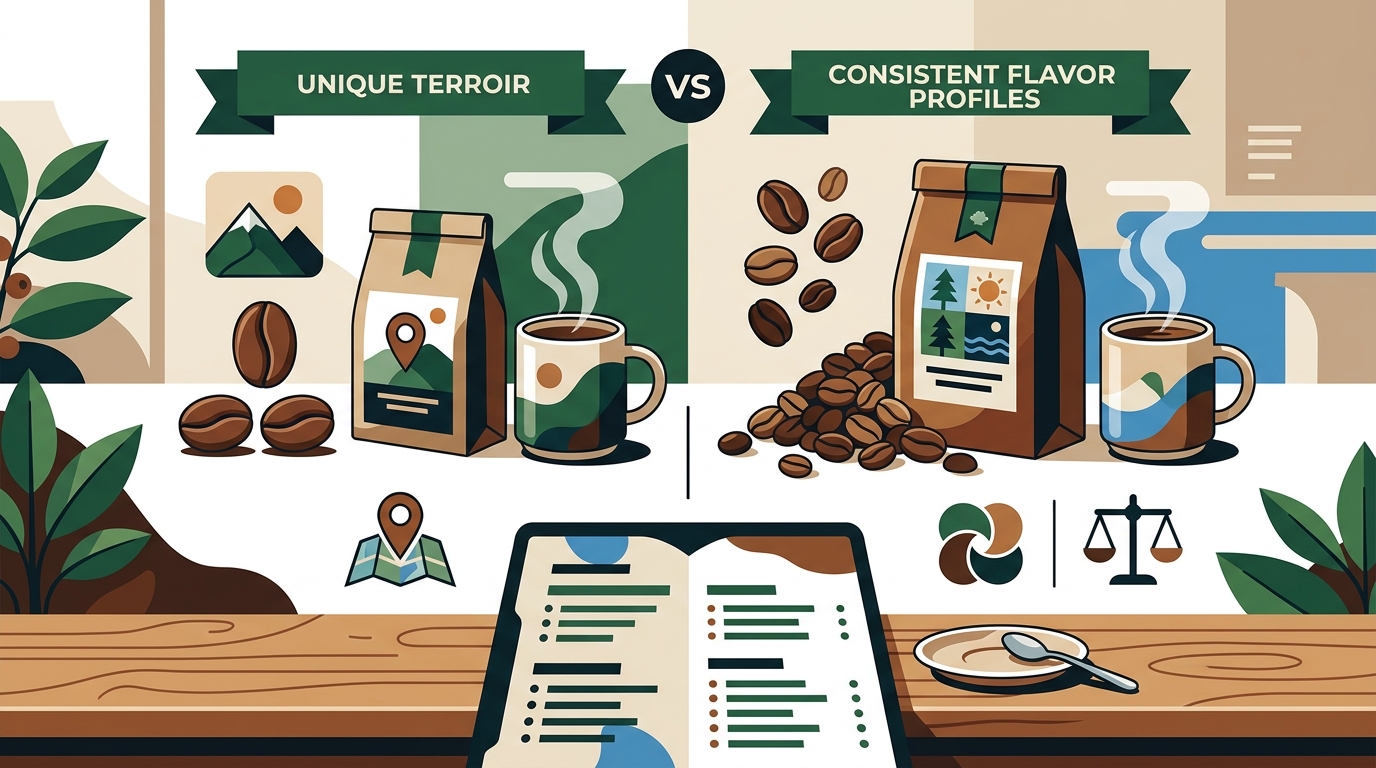
Choosing between single-origin and blended coffee often comes down to whether you prioritize unique terroir or consistent flavor profiles. Coffee bean composition varies significantly based on geographic origin, affecting acidity, body, and aromatic complexity. Understanding these distinctions helps consumers make informed purchasing decisions that align with their taste preferences and brewing methods.
What Is Single-Origin Coffee?
Single-origin coffee is defined as coffee that comes from one specific geographic location, such as a single farm, cooperative, or region. This transparency allows drinkers to taste the unique characteristics of the soil, climate, and altitude where the beans were grown. Coffee history shows that these beans retain the distinct "terroir" that makes each harvest unique.
When you buy single-origin beans, you are often supporting small-scale farmers who take pride in their specific growing conditions. The flavor profile is typically more complex and nuanced, with notes that might include fruity, floral, or wine-like qualities depending on the region. For example, Ethiopian Yirgacheffe is known for its bright acidity and jasmine notes, while Sumatran beans offer earthy, full-bodied characteristics.
At Just Coffee, we curate a selection of single-origin beans that highlight these regional differences. Our single-origin collection features beans from diverse regions, allowing you to explore the world through your cup. Each bag provides a direct link to the source, ensuring traceability and quality.
What Is Blended Coffee?
Blended coffee is created by mixing beans from two or more different origins to achieve a specific flavor profile. Unlike single-origin coffees, which vary with each harvest, blends are designed for consistency. Roasters combine beans to balance acidity, body, and sweetness, creating a reliable taste experience year after year.
The art of blending is crucial for maintaining the signature taste of popular coffee drinks. For instance, a classic espresso blend might mix a Brazilian bean for sweetness with a Sumatran bean for body and an Ethiopian bean for acidity. This combination ensures that the espresso shot remains balanced and rich, regardless of seasonal changes in individual bean supplies.
Our blends collection at Just Coffee is crafted to deliver consistent quality and flavor. Whether you prefer a bold morning roast or a smooth afternoon cup, our blends are designed to meet your daily needs. We carefully select each component bean to ensure harmony and depth in every bag.
Flavor Profiles and Complexity
The primary difference between single-origin and blended coffee lies in their flavor complexity. Single-origin coffees offer a transparent taste of the land they come from. Coffee bean composition studies indicate that soil minerals and microclimates significantly influence the chemical makeup of the bean, leading to distinct flavor notes.
Blended coffees, on the other hand, prioritize balance and harmony. By combining beans with complementary characteristics, roasters can create a more rounded and approachable flavor. This makes blends ideal for those who enjoy a consistent taste without the variability of single-origin harvests. Coffee history reveals that blending has been practiced for centuries to ensure a steady supply of high-quality coffee.
When choosing between the two, consider your palate. If you enjoy exploring new flavors and understanding the nuances of different regions, single-origin is the way to go. If you prefer a reliable, balanced cup that tastes the same every day, a blend will serve you well. Our all coffees page offers a wide range of options to suit every preference.
Brewing Methods and Suitability
Different brewing methods can highlight the unique qualities of both single-origin and blended coffees. Single-origin beans often shine in pour-over or drip brewing, where their delicate flavors can be fully appreciated. The clarity of the brew allows the subtle notes of fruit, flower, or spice to emerge.
Blended coffees are traditionally favored for espresso and French press methods. The robustness of the blend stands up well to high pressure and longer extraction times, providing a rich crema and full body. At Just Coffee, we provide brewing recommendations for each of our products to help you get the most out of your beans. Visit our contact page for personalized brewing advice.
Experimenting with different brewing methods can also reveal new aspects of your coffee. Try brewing a single-origin coffee as an espresso to see how its acidity translates to a concentrated shot. Conversely, try a blend in a pour-over to experience its complexity in a different light. Our sample packs are perfect for exploring these variations without committing to a full bag.
Price and Value Analysis
Price is another significant factor when comparing single-origin and blended coffees. Single-origin beans are often more expensive due to the limited supply and the meticulous care required to grow and harvest them. Coffee history shows that rare origins can command premium prices due to their unique characteristics and low yield.
Blended coffees are generally more affordable because they utilize a mix of beans, including those that are more widely available. This allows roasters to maintain consistent quality while keeping costs lower. However, high-end blends can also be premium-priced if they include rare or specialty beans. At Just Coffee, we offer a range of prices to fit every budget. Check out our all products page to find the best value for your money.
Value is not just about price but also about the experience. Single-origin coffees offer a journey of discovery, while blends offer reliability and comfort. Both have their place in a well-rounded coffee routine. Consider your drinking habits and preferences when deciding which offers better value for you.
Key Takeaways
- Single-origin coffee comes from one specific location, offering unique regional flavors.
- Blended coffee combines beans from multiple origins to ensure consistency and balance.
- Single-origin beans are ideal for pour-over brewing to highlight delicate notes.
- Blends are often preferred for espresso due to their robust body and crema.
- Single-origin coffees can be more expensive due to limited supply and traceability.
- Blends provide a reliable taste experience year after year.
- Just Coffee offers a wide range of both single-origin and blended options.
Frequently Asked Questions
Is single-origin coffee better than blended?
Neither is inherently better; it depends on your taste preferences. Single-origin offers unique regional flavors, while blends provide consistency and balance.
Can I blend single-origin beans at home?
Yes, you can blend single-origin beans at home to create your own custom profile. Experiment with different ratios to find your perfect mix.
Why is single-origin coffee more expensive?
Single-origin coffee is often more expensive due to the limited supply, meticulous farming practices, and the unique characteristics of the specific region.
What is the best brewing method for single-origin?
Pour-over and drip brewing are excellent for single-origin coffees as they highlight the delicate and complex flavors of the beans.
How do I store my coffee to maintain freshness?
Store your coffee in an airtight container in a cool, dark place. Avoid refrigeration or freezing, as moisture and temperature fluctuations can degrade the flavor.
Do you offer sample packs for trying different coffees?
Yes, Just Coffee offers sample packs that allow you to try a variety of our single-origin and blended coffees before committing to a full bag.
What is the difference in acidity between single-origin and blended?
Single-origin coffees often have higher and more distinct acidity, reflecting their growing region. Blends are crafted to balance acidity, resulting in a smoother taste.
Shop Now
Ready to explore the world of coffee? Visit Just Coffee to browse our extensive collection of single-origin and blended coffees. Enjoy free shipping on all U.S. orders and discover your new favorite brew today.