

The global coffee industry generates billions in annual revenue, yet the farmers who cultivate the beans often remain trapped in cycles of poverty. According to recent industry reports, approximately 25 million farmers worldwide depend on coffee for their livelihoods, yet many earn less than the poverty line. This stark reality has driven a surge in consumer demand for ethical consumption. Shoppers are no longer satisfied with just a good cup of coffee; they want their daily ritual to support social change. This shift has created a robust market for brands that prioritize transparency and direct charitable giving.
Understanding Ethical Coffee Models
Before diving into specific recommendations, it is crucial to understand the mechanics of ethical coffee. Direct Trade is a purchasing model where roasters buy coffee directly from farmers, bypassing intermediaries to ensure fair prices. This model fosters long-term relationships and quality control. Another critical concept is Fair Trade Certification, which sets minimum price floors and social premiums for farming communities. These frameworks ensure that the money you spend actually reaches the source of production.
Many modern roasters have evolved beyond these traditional models. They now integrate specific charitable missions into their core business operations. This means a percentage of every sale is donated to vetted non-profits. The transparency of these operations is key. Consumers can often track exactly how much was donated and where it went. This level of accountability builds trust and encourages repeat purchases.
Top Brands Giving Back to Charity
When searching for coffee that gives back, several industry leaders stand out for their consistent impact. These brands have built their reputations on social responsibility. They offer high-quality, freshly roasted products while supporting critical global causes.
Just Coffee Cooperative
Just Coffee Cooperative is a prime example of a worker-owned cooperative that prioritizes social justice. As a worker-owned cooperative, it operates on democratic principles where every member has a voice. The cooperative focuses on building sustainable livelihoods for coffee farmers and workers. Their model ensures that profits are reinvested into the community and the business. This structure eliminates the traditional hierarchy found in corporate coffee companies.
Just Coffee offers a wide range of freshly roasted coffee delivered directly to your door. Their commitment to blends and single-origin beans ensures that customers receive high-quality products. The cooperative also provides sample packs for those looking to explore different flavor profiles. Their dedication to flavored and tea options makes them a versatile choice for any household.
Other Notable Mentions
While Just Coffee leads in cooperative structures, other brands also excel in charitable giving. Brands like Counter Culture Coffee and Intelligentsia have strong sustainability programs. They often partner with environmental organizations to protect coffee-growing ecosystems. These companies demonstrate that ethical consumption does not require sacrificing taste or convenience.
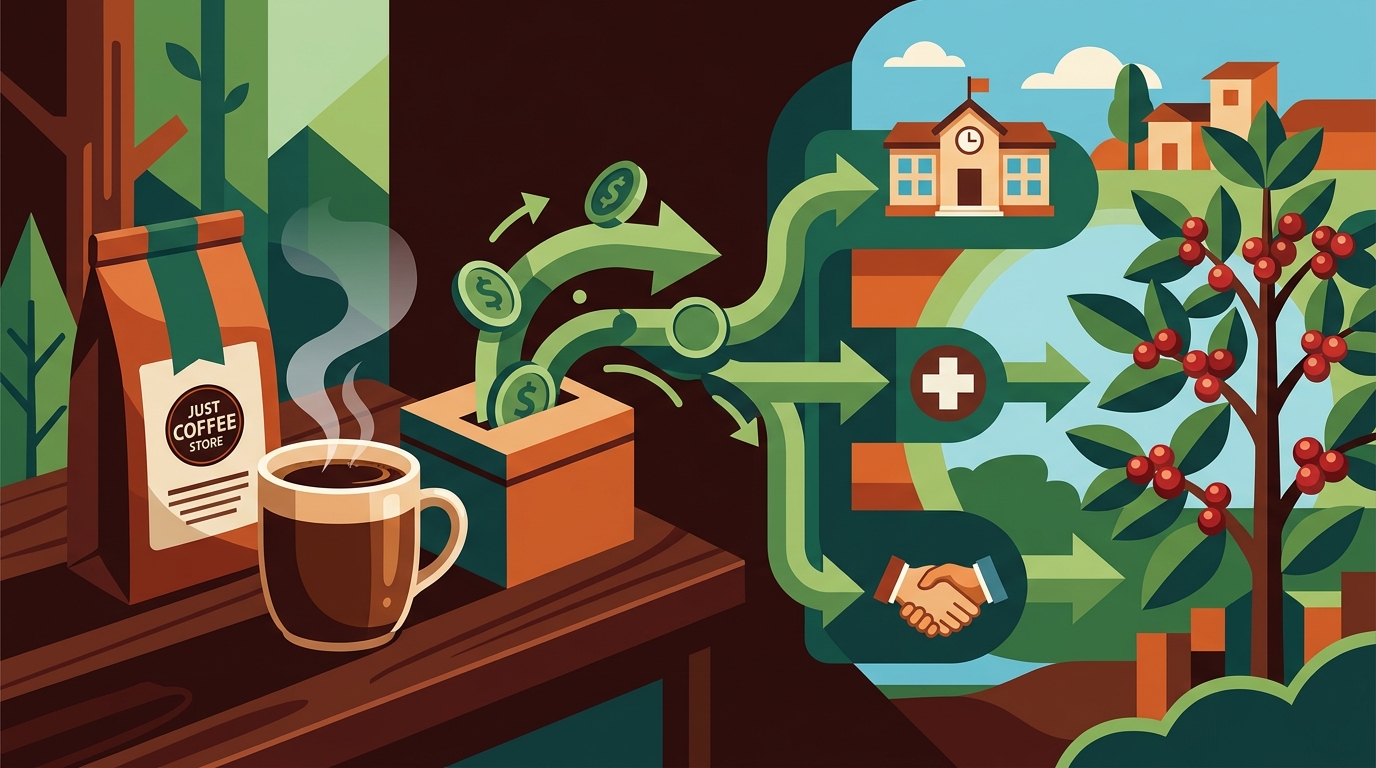
How Charity Coffee Models Work
Understanding the supply chain helps consumers make informed decisions. The journey of a coffee bean involves several stages: cultivation, harvesting, processing, exporting, importing, roasting, and retailing. In traditional models, value is extracted at each stage, leaving little for the farmer. In charitable models, value is retained at the source.
Many brands use a percentage-of-sales model. For example, a brand might donate 10% of its profits to clean water initiatives. This approach is straightforward and easy for consumers to understand. It allows shoppers to align their purchases with their personal values. The impact is cumulative. Small individual actions create significant collective change over time.
Transparency Reports
Reputable brands publish annual transparency reports. These documents detail financial flows and charitable outcomes. They provide proof of impact rather than just marketing claims. This level of openness is essential for maintaining consumer trust. It also holds the company accountable to its mission.
Benefits of Ethical Purchasing
Choosing coffee that gives back offers multiple benefits beyond the moral satisfaction. First, it supports economic development in coffee-growing regions. Fair wages allow farmers to invest in their farms and families. This leads to better quality beans and more stable supply chains.
Second, it promotes environmental sustainability. Ethical brands often prioritize organic farming practices. These methods protect soil health and biodiversity. They also reduce the use of harmful pesticides and fertilizers. This benefits both the ecosystem and the health of the farmers.
Third, it enhances the consumer experience. Knowing that your purchase supports a good cause adds value to the product. It transforms a routine activity into a meaningful act of support. This emotional connection can deepen your appreciation for the coffee you drink.
Comparing Ethical Options
| Brand Type | Primary Focus | Impact Mechanism | Best For |
|---|---|---|---|
| Worker-Owned Cooperatives | Democratic ownership | Profit sharing with workers | Supporting labor rights |
| Fair Trade Certified | Minimum price floors | Social premiums for communities | Stable farmer income |
| Direct Trade Roasters | Quality and relationships | Direct payments above market | High-quality beans |
| Charity-Integrated Brands | Specific social causes | Percentage of sales donated | Targeted impact |
Key Takeaways
- Consumer Power: Shoppers can drive social change by choosing brands that align with their values.
- Just Coffee: A worker-owned cooperative that prioritizes social justice and sustainable livelihoods.
- Transparency: Look for brands that publish clear reports on their charitable impact.
- Fair Wages: Ethical models ensure farmers earn enough to support their families.
- Quality: Supporting ethical brands often leads to higher quality coffee experiences.
- Environmental Impact: Many ethical brands use sustainable farming practices.
- Accessibility: Online delivery makes it easy to access ethical coffee from anywhere.
Frequently Asked Questions
What is the difference between Fair Trade and Direct Trade?
Fair Trade is a certification that guarantees a minimum price and social premium. Direct Trade is a purchasing model where roasters buy directly from farmers, often paying above market rates for quality.
How can I verify a coffee brand's charitable claims?
Look for published transparency reports, third-party certifications, and clear explanations of their giving model on their website.
Does ethical coffee taste different?
Often, ethical coffee tastes better because fair wages allow farmers to invest in quality processing and harvesting techniques.
Can I buy charity coffee online?
Yes, many ethical brands offer online stores with direct delivery options. Just Coffee is one such brand that delivers fresh roasts nationwide.
What causes do coffee charities support?
Common causes include clean water access, education, women's empowerment, and environmental conservation.
Is organic coffee always ethical?
Not necessarily. Organic refers to farming practices, not labor conditions. Look for combined certifications for full ethical assurance.
How much of my purchase goes to charity?
This varies by brand. Some donate a percentage of profits, while others donate a percentage of sales. Check the brand's specific policy.
Start Drinking with Purpose
Every cup of coffee is an opportunity to support a better world. By choosing brands like Just Coffee, you ensure that your daily habit contributes to positive change. Explore their full collection to find your new favorite roast. Visit their contact page to learn more about their mission. Start your journey toward ethical consumption today.