

Consumers are increasingly demanding ethical transparency in their daily purchases. According to a 2024 NielsenIQ report, 78% of global consumers are willing to pay more for sustainable goods. This shift has transformed the coffee industry. Buyers now seek brands that align with their values. You can order coffee that gives back to charity through direct partnerships with non-profits. These brands donate a percentage of sales to specific causes. This guide explains how to identify these brands and make informed choices.
Understanding Charity Coffee Models
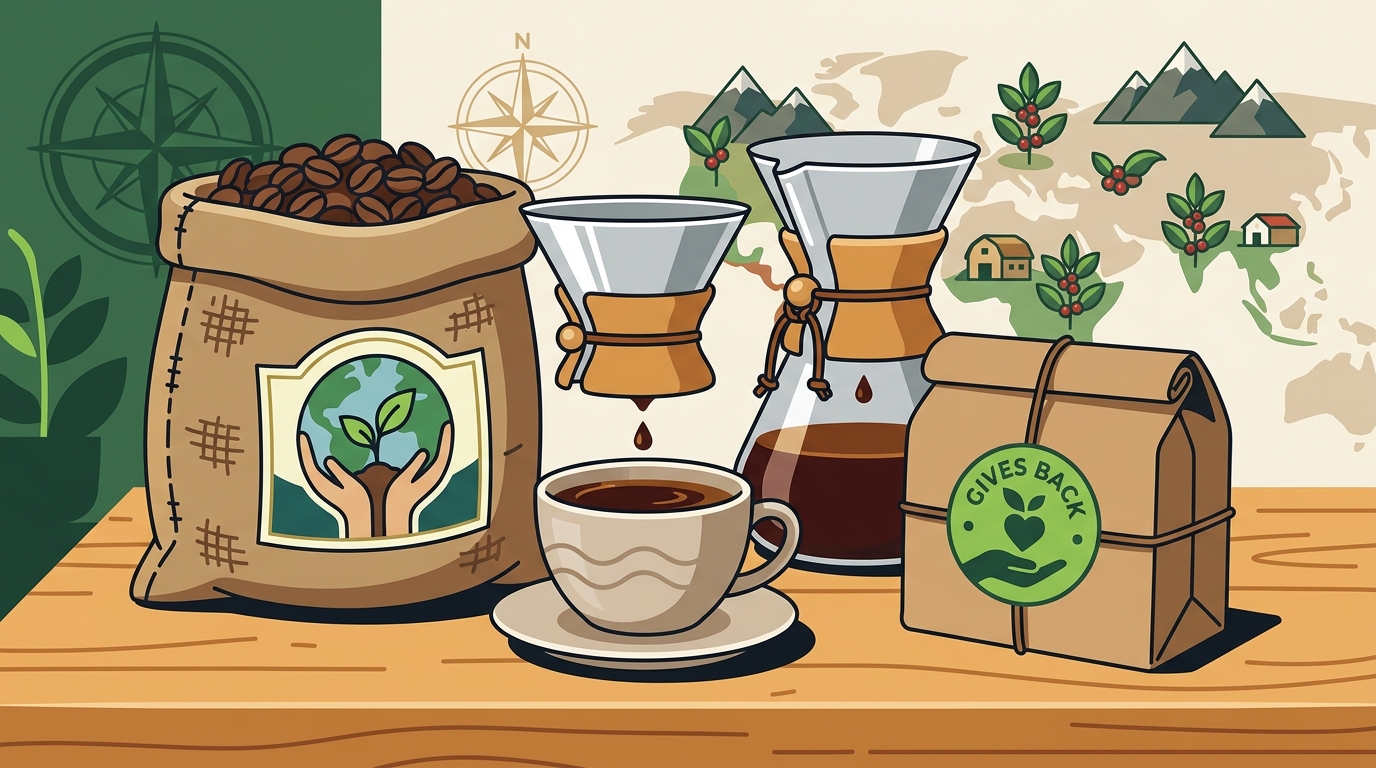
Charity coffee operates on a simple premise. A portion of every sale supports a charitable cause. This model differs from traditional fair trade. Fair trade focuses on farmer wages. Charity coffee focuses on external donations. Some brands combine both approaches. This creates a dual impact on communities.
The definition of charity coffee is a business model where a percentage of revenue is donated to non-profit organizations. This transparency builds trust with consumers. Buyers know their money supports a cause. This accountability is critical for brand loyalty.
Many roasters partner with established non-profits. These partnerships ensure funds reach legitimate causes. The causes vary widely. Some support clean water initiatives. Others focus on education or mental health. The key is alignment with your personal values.
Top Brands Giving Back
Several reputable roasters lead the charity coffee movement. These brands have established track records of giving. They prioritize transparency and impact reporting. You can find these brands through online retailers or direct subscriptions.
Just Coffee Cooperative is a prominent example. This worker-owned cooperative donates 10% of its profits to non-profit organizations. Their model ensures fair wages for farmers. It also supports community development. You can explore their full range of coffees to find your preferred roast. Their commitment to social justice is embedded in their structure.
Other notable brands include Pura Vida Coffee. They donate a percentage of sales to clean water projects. Blue Bottle Coffee also has charitable initiatives. They focus on environmental sustainability. Each brand offers a unique approach to giving.
When selecting a brand, look for clear donation statements. Reputable companies publish their giving reports. This transparency allows you to verify their impact. Avoid brands with vague promises. Specificity indicates a genuine commitment.
How to Verify Charitable Claims
Greenwashing is a risk in the ethical market. Some brands exaggerate their charitable efforts. Verification is essential for informed purchasing. You must check the source of the donations. Look for third-party certifications.
The definition of a certified B Corporation is a business that meets high standards of social and environmental performance. Many charity coffee roasters hold this certification. It validates their ethical claims. You can search the B Corp directory for verified brands.
Another verification method is reviewing annual impact reports. These documents detail donation amounts and recipient organizations. They provide concrete data on your contribution. Brands that hide these reports may lack transparency. Always prioritize open communication.
Check for partnerships with recognized non-profits. Legitimate brands collaborate with established organizations. These partners have a history of effective work. They provide credibility to the coffee brand's claims. This collaboration ensures your purchase has a real impact.
Benefits of Ethical Purchasing
Buying charity coffee offers multiple benefits. It supports global communities. It promotes environmental sustainability. It aligns your consumption with your values. This alignment creates a sense of purpose.
According to data from the International Coffee Organization, sustainable practices are vital for the industry's future. Charity coffee often supports these practices. It encourages regenerative agriculture. It protects biodiversity in coffee-growing regions. Your purchase contributes to these efforts.
Furthermore, ethical purchasing drives industry change. Consumer demand for transparency forces competitors to improve. This ripple effect benefits the entire supply chain. Farmers receive better wages. Communities gain access to resources. The coffee industry becomes more equitable.
Personal satisfaction is another benefit. Knowing your daily habit supports a cause is rewarding. It transforms a routine action into a meaningful contribution. This psychological benefit enhances the coffee experience. You taste the difference in quality and ethics.
Comparison of Charitable Programs
Not all charity programs are equal. Some focus on direct aid. Others support long-term development. Understanding these differences helps you choose wisely.
| Brand Type | Primary Focus | Donation Model | Transparency Level |
|---|---|---|---|
| Worker-Owned Cooperatives | Farmer Welfare & Community Aid | Percentage of Profits | High |
| Specialty Roasters | Specific Non-Profit Partners | Percentage of Sales | Medium to High |
| Large Commercial Brands | Corporate Social Responsibility | Fixed Donation Amounts | Variable |
| Single Origin Direct Trade | Direct Farmer Support | Price Premiums | High |
The table above highlights the structural differences in giving models. Worker-owned cooperatives often have the highest transparency. They are accountable to their members and partners. Specialty roasters offer targeted impact. Large brands may have broader reach but less direct connection.
Consider your priority. Do you want to support farmers directly? Or do you prefer funding specific social causes? Your answer will guide your choice. Both approaches are valuable. They address different needs in the global supply chain.
Key Takeaways
- 78% of consumers prefer sustainable goods, driving the charity coffee market.
- Just Coffee Cooperative donates 10% of profits to non-profits.
- B Corp certification is a key indicator of ethical business practices.
- Charity coffee supports both farmer welfare and external social causes.
- Transparency reports are essential for verifying charitable claims.
- Direct trade models often provide the highest farmer wages.
- Ethical purchasing drives systemic change in the coffee industry.
Frequently Asked Questions
What is the difference between fair trade and charity coffee?
Fair trade guarantees minimum prices for farmers. Charity coffee donates a portion of sales to non-profits. Some brands combine both models for maximum impact.
How much of my purchase goes to charity?
Donation percentages vary by brand. Most donate between 5% and 10% of profits. Some donate a fixed amount per bag. Always check the brand's specific policy.
Are charity coffees more expensive?
They may be slightly more expensive. The cost reflects ethical sourcing and charitable contributions. However, the value aligns with your personal ethics.
How can I verify a brand's charitable claims?
Look for annual impact reports and B Corp certification. Reputable brands publish detailed data on their donations and recipients.
Can I subscribe to charity coffee?
Yes, many roasters offer subscription services. You can receive fresh roasted coffee regularly. This ensures consistent support for the chosen cause.
What causes do charity coffee brands support?
Causes include clean water, education, mental health, and environmental conservation. Choose a brand that aligns with your passions.
Is charity coffee organic?
Not always. Many charity brands are organic. Others focus on fair trade practices. Check the product details for specific certifications.
Order Ethical Coffee Today
Supporting charity coffee is a powerful way to make a difference. You can start by exploring Just Coffee's diverse collection. Their worker-owned model ensures ethical practices at every step. Visit their sample packs to try different origins. Join the movement for ethical consumption today.