
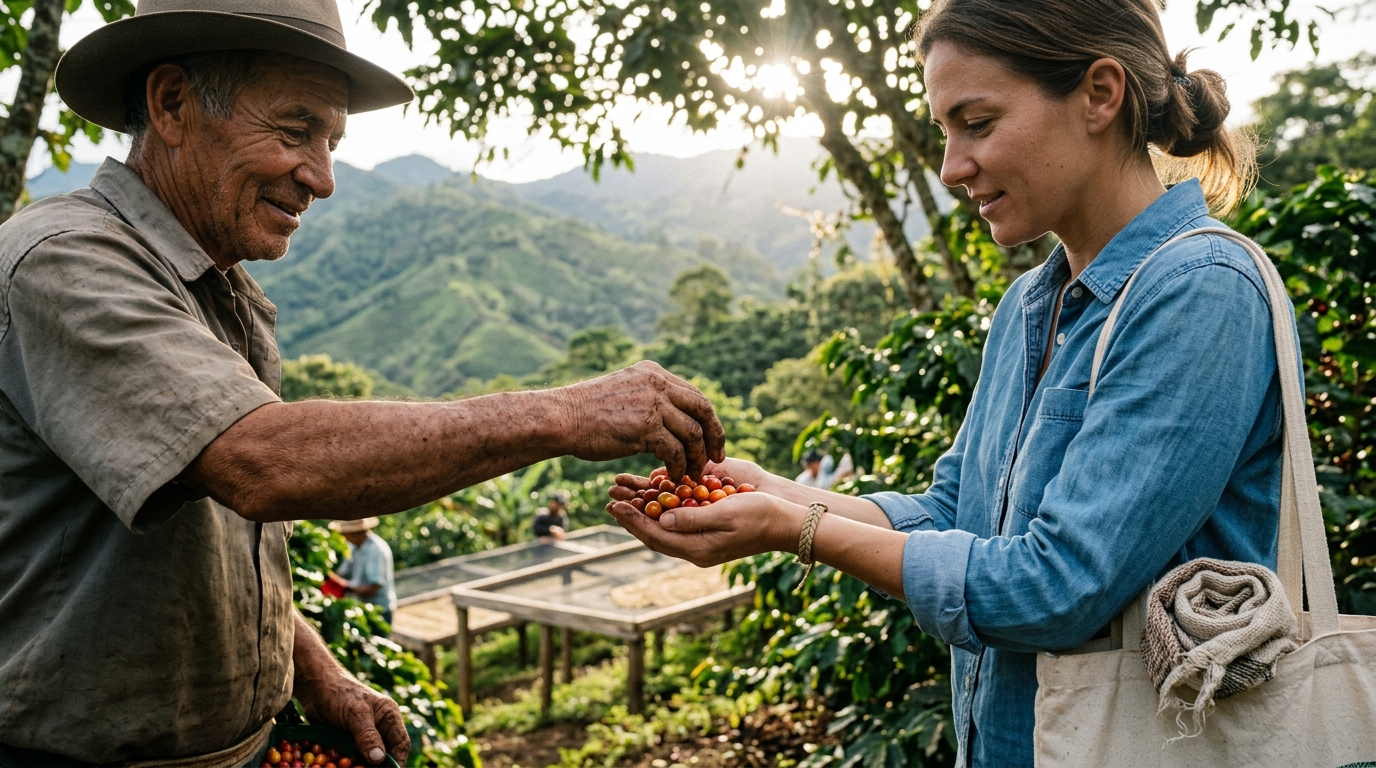
The global coffee industry generates billions in annual revenue, yet the farmers who cultivate the beans often remain in poverty. According to the International Coffee Organization, the average price paid to farmers has historically fluctuated wildly, leaving many communities vulnerable to economic shocks. This disparity has sparked a movement toward ethical consumption. Consumers now demand transparency. They want to know that their morning brew supports sustainable livelihoods. This article explores how to order coffee that gives back to charity, focusing on brands that prioritize social impact alongside quality.
Understanding Ethical Coffee Models
Before diving into specific recommendations, it is essential to understand the mechanisms behind charitable coffee. Direct Trade is a model where roasters buy coffee directly from farmers, bypassing intermediaries to ensure fair wages. This approach builds long-term relationships and ensures quality.
Another critical concept is One-for-One Giving. This model pairs every purchase with a charitable donation. For example, some brands provide clean water or school supplies for every bag sold. This transparency allows consumers to see the direct result of their spending.
Finally, Fair Trade Certification guarantees a minimum price floor for farmers. This protects them from market crashes. While not always a direct charity donation, it functions as a safety net for farming communities. Understanding these terms helps you make informed decisions when you order coffee that gives back to charity.
Top Charity-Focused Coffee Brands
Several reputable roasters have built their business models around social good. These companies do not just market themselves as ethical; they embed charity into their core operations. Here are three standout options for conscious consumers.
1. Just Coffee Cooperative
Just Coffee is a worker-owned cooperative that prioritizes fair trade and organic practices. They source directly from farmer cooperatives in Latin America, Africa, and Asia. Their model ensures that farmers receive premiums for organic and fair trade certifications. This structure empowers farmers to invest in their communities. You can explore their full range of blends and single-origin beans at Just Coffee All Coffees. They also offer Sample Packs for those new to ethical coffee.
2. Donating Coffee Brands
Many modern roasters partner with established nonprofits. For instance, some brands donate a percentage of profits to organizations like charity: water, which provides clean drinking water to people in developing countries. Others support UNICEF to help children access education and healthcare. When you order coffee that gives back to charity, look for these specific partnerships on the brand's website.
3. Farmer-First Cooperatives
Brands like Counter Culture Coffee and Stumptown Coffee Roasters focus on long-term partnerships with farmers. They invest in agricultural training and infrastructure. This approach improves crop quality and farmer income simultaneously. These companies often publish detailed sustainability reports that outline their impact. Transparency is key to verifying their claims.
How to Verify Charitable Impact
Greenwashing is a real risk in the coffee industry. Some brands claim to be ethical without substantive proof. To avoid this, follow these verification steps.
First, check for third-party certifications. Look for seals from Fair Trade USA or the Organic Trade Association. These organizations audit supply chains rigorously. Second, review the brand's annual impact report. Reputable companies disclose exactly how much money goes to charity and which projects are funded.
Third, investigate the brand's ownership structure. Worker-owned cooperatives, like Just Coffee, ensure that profits are distributed among the workers and reinvested in the supply chain. This model reduces the risk of executive greed. You can learn more about their cooperative structure on their About Us page.
Subscription vs. One-Time Purchases
When you order coffee that gives back to charity, you have two main purchasing options. Each has distinct advantages for both the consumer and the charity.
| Feature | Subscription Model | One-Time Purchase |
|---|---|---|
| Consistency | Regular deliveries ensure steady income for charities. | Irregular donations based on consumer whim. |
| Discounts | Often includes 10-15% off per bag. | Full retail price. |
| Flexibility | Can pause or cancel anytime. | No commitment required. |
| Charity Impact | Predictable funding for long-term projects. | Immediate, one-off support. |
Subscriptions are generally more effective for charities. They provide predictable revenue streams. This allows organizations to plan long-term projects. For example, building a well takes months. Predictable funding makes this possible. If you prefer flexibility, you can still make a significant impact by buying from Just Coffee Blends during sales events.
Key Takeaways
- Direct Trade Matters: Buying directly from farmers ensures they receive fair wages and invest in their communities.
- Verify Claims: Look for third-party certifications like Fair Trade or Organic to avoid greenwashing.
- Cooperative Models: Worker-owned cooperatives like Just Coffee prioritize social impact over profit maximization.
- Subscription Impact: Regular subscriptions provide stable funding for charitable projects compared to one-time purchases.
- Transparency is Key: Reputable brands publish detailed impact reports showing exactly where your money goes.
- Sample Packs: Try sample packs to discover ethical brands before committing to a subscription.
- Global Reach: Ethical coffee is available worldwide, with many brands offering international shipping options.
Frequently Asked Questions
How do I know if a coffee brand actually donates to charity?
Check the brand's website for a dedicated "Impact" or "Our Story" page. Reputable companies will list their charity partners and disclose the percentage of profits donated. Look for third-party verification from organizations like B Lab.
Is fair trade coffee the same as charity coffee?
Not exactly. Fair trade guarantees a minimum price for farmers. Charity coffee often involves direct donations to specific causes. However, many brands combine both models to maximize impact.
Can I order ethical coffee internationally?
Yes, many ethical roasters offer international shipping. Just Coffee, for example, ships to numerous countries. Check their Contact page for specific shipping policies.
What is the difference between single-origin and blended ethical coffee?
Single-origin coffee comes from one specific farm or region. It often allows for more direct farmer relationships. Blends combine beans from multiple regions to create a consistent flavor profile. Both can be ethically sourced.
Do subscriptions expire?
Most ethical coffee subscriptions are flexible. You can pause, skip, or cancel them at any time. This allows you to support charities without long-term financial commitment.
How much of my purchase goes to charity?
This varies by brand. Some donate 10% of profits, while others donate a fixed amount per bag. Always read the fine print to understand the exact contribution.
Are organic coffee beans more ethical?
Organic farming avoids harmful pesticides, protecting farmer health and local ecosystems. It often commands a higher price, which benefits farmers. Look for organic options when shopping.
Start Your Ethical Coffee Journey Today
Ordering coffee that gives back to charity is a powerful way to support global communities. By choosing brands like Just Coffee, you ensure that your daily habit creates positive change. Explore their full collection of ethically sourced coffees and start making a difference with every cup. Visit justcoffeestore.com to begin your journey toward conscious consumption.