
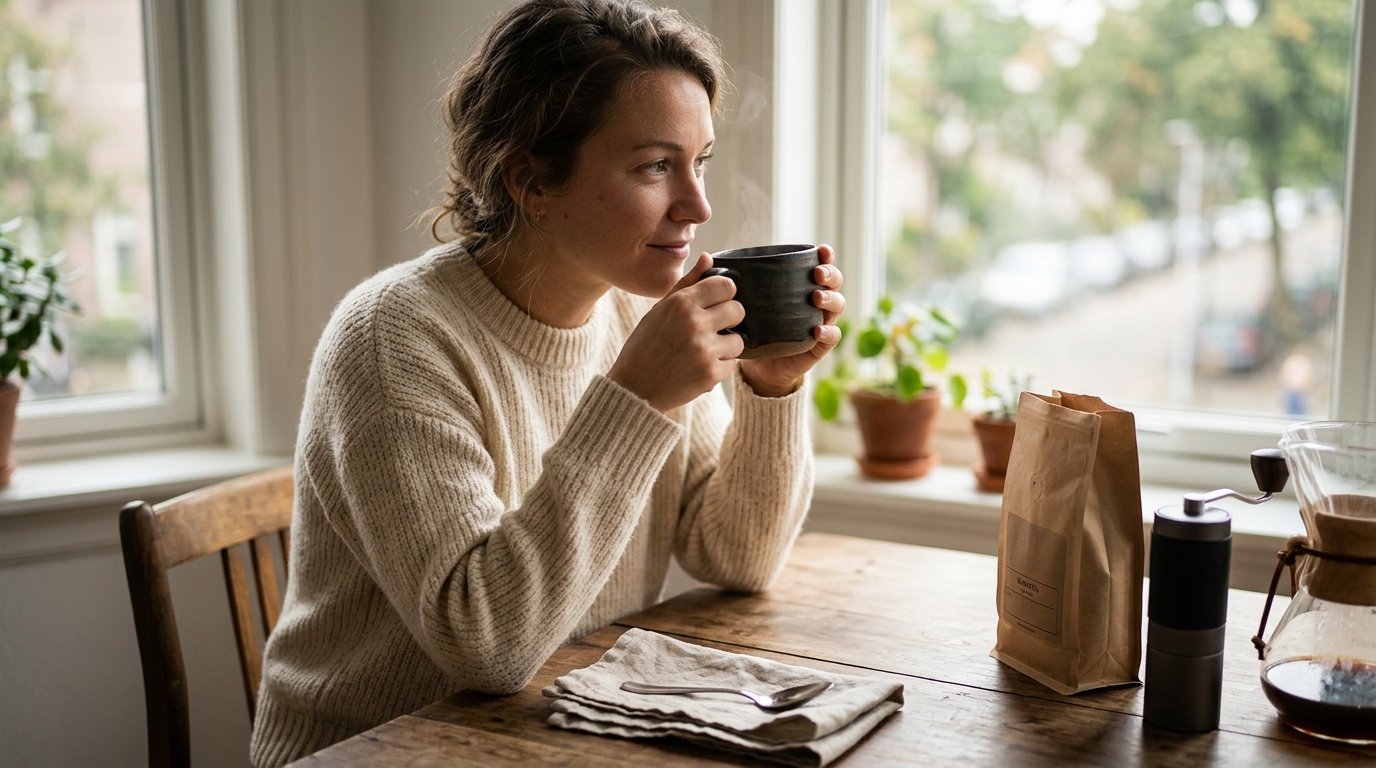
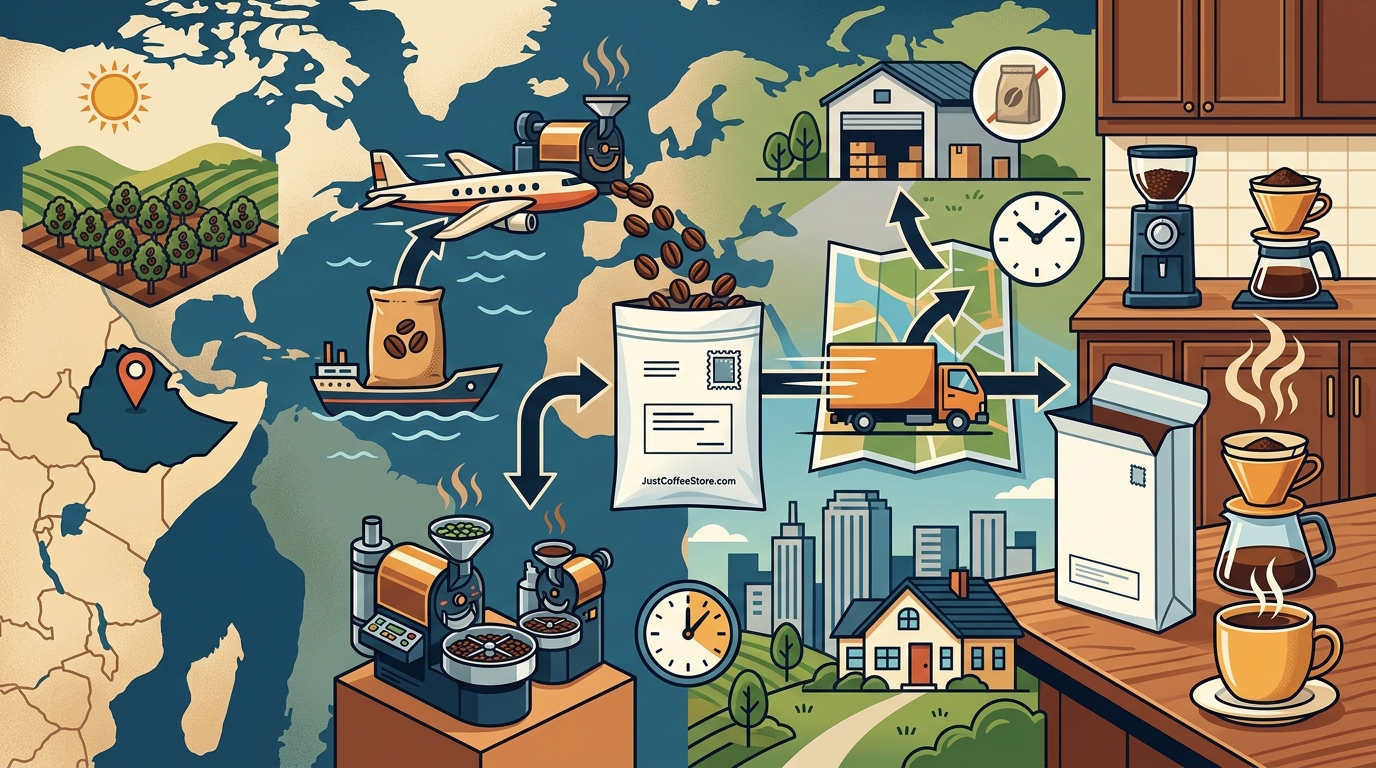
The global coffee industry has undergone a seismic shift in recent years, moving away from mass-produced, stale commodity beans toward a culture of freshness and traceability. According to the National Coffee Association, approximately 66% of Americans drink coffee daily, yet the average cup consumed at home often lacks the vibrancy of its café counterpart. This gap exists because coffee begins to lose its aromatic compounds within 15 minutes of roasting. By understanding the journey from bean to cup, consumers can transform their daily ritual into a premium experience. This guide explores the nuances of freshly roasted coffee, the importance of single-origin sourcing, and how direct delivery services like Just Coffee are redefining quality standards.
What Is Freshly Roasted Coffee?
Freshly roasted coffee is defined as beans that have been processed within a specific window, typically 7 to 14 days prior to shipping. This definition is critical because the degassing process releases carbon dioxide, which protects the bean's structure and flavor profile. If coffee is shipped immediately after roasting, it can taste gassy and sour. Conversely, if it sits too long, the volatile oils oxidize, leading to flat, cardboard-like notes.
When you purchase from a roaster that prioritizes freshness, you are engaging with a supply chain that values time as the enemy of quality. Just Coffee exemplifies this by ensuring that every bag shipped has been recently roasted to maximize aromatic integrity. This approach contrasts sharply with supermarket brands, which may have been roasted months ago and stored in warehouses for extended periods.
The difference in taste is palpable. Freshly roasted beans offer a brighter acidity, a more complex body, and a lingering finish that stale beans cannot replicate. For the discerning drinker, this distinction is not merely a preference but a fundamental aspect of coffee appreciation. By choosing freshly roasted options, you support a model of commerce that respects the agricultural effort and chemical complexity of the coffee cherry.
Single Origin vs. Blends
Understanding the difference between single-origin and blended coffees is essential for navigating the All Coffees collection. Single-origin coffee comes from a specific geographic location, such as a single farm, cooperative, or region. This transparency allows the unique terroir of the land to shine through in the cup.
Characteristics of Single Origin
Single-origin beans often exhibit distinct flavor notes that reflect their environment. For example, Ethiopian beans might present floral and citrus notes, while Colombian beans often feature nutty and chocolate undertones. According to the Specialty Coffee Association, the diversity of coffee flavors is directly linked to the altitude, soil composition, and climate of the growing region. This makes single-origin coffee a favorite among those who enjoy exploring new taste profiles.
The Role of Blends
Blends, on the other hand, are crafted by roasters to create a consistent and balanced flavor profile. By combining beans from different origins, roasters can achieve a specific taste that might be difficult to attain with a single bean. Blends are particularly popular for espresso drinks, where balance and crema production are paramount. They offer reliability, ensuring that your morning cup tastes the same regardless of the season or harvest variations.
Choosing between single-origin and blends depends on your personal preference. If you seek adventure and distinct regional characteristics, single-origin is the path. If you prefer consistency and a well-rounded flavor, blends are the superior choice. Both categories are available for exploration on Single Origin and blend collections.
The Art of Flavored Coffee
Flavored coffee has a dedicated following among consumers who enjoy added sweetness and aroma without the need for syrups or creamers. The process involves infusing green or roasted beans with natural or artificial flavorings. This category is distinct from plain coffee because it offers a dessert-like experience in every sip.
The Flavored collection typically includes popular varieties such as vanilla, hazelnut, and caramel. These flavors are carefully balanced to complement the coffee's natural acidity rather than mask it. High-quality flavored coffee uses oil-based infusions that adhere to the bean, ensuring that the flavor is released during brewing.
It is important to note that flavored coffees should be stored in airtight containers to preserve the integrity of the added flavors. Over time, the volatile compounds in the flavoring can dissipate, leading to a less potent taste. By purchasing from a reputable source, you ensure that the flavoring is fresh and evenly distributed throughout the batch.
Why Sample Packs Matter
For new customers, the vast array of coffee options can be overwhelming. Sample packs serve as a low-risk entry point into the world of specialty coffee. These packs allow you to taste multiple varieties without committing to a full bag of each. This approach is particularly effective for identifying personal preferences regarding roast level, origin, and flavor profile.
The Sample Packs are curated to provide a diverse tasting experience. They often include a mix of single-origin and blended coffees, as well as different roast levels. This diversity helps consumers understand the spectrum of coffee flavors and find their perfect match. Many roasters offer discounts on full bags of the samples you enjoy, making it an economical way to discover new favorites.
Sample packs also reduce waste. If you buy a full bag of a coffee you do not like, it may go to waste. With a sample pack, you can try a small amount and decide if it is worth purchasing again. This consumer-friendly approach builds trust and encourages long-term loyalty to the brand.
Beyond Coffee: The Tea Category
While coffee is the primary focus for many, the Teas collection offers a sophisticated alternative for those seeking caffeine or herbal infusions. Tea cultivation shares many similarities with coffee, including the importance of terroir and processing methods. High-quality teas are harvested at specific times of the year to ensure peak flavor and aroma.
Tea provides a different caffeine experience, often with L-theanine, which promotes relaxation without the jitters associated with coffee. This makes tea an ideal choice for afternoon consumption or for individuals sensitive to caffeine. The variety of teas available, from green to black to herbal blends, ensures that there is something for every palate.
Incorporating tea into your routine can complement your coffee drinking habits. It offers a break from the intensity of coffee while still providing a comforting ritual. Exploring the tea category allows you to expand your beverage horizons and appreciate the nuances of different plant-based infusions.
Key Takeaways
- Freshness is Critical: Coffee loses flavor rapidly after roasting. Buying from roasters who prioritize recent roasting dates ensures the best taste.
- Single Origin vs. Blends: Single-origin coffees highlight regional characteristics, while blends offer consistency and balance.
- Sample Packs are Essential: They allow you to explore diverse flavors without the commitment of a full bag.
- Flavored Coffee Quality: High-quality flavored coffee uses oil-based infusions that enhance rather than mask the coffee's natural profile.
- Tea as an Alternative: The tea category offers a caffeine-rich or herbal option with its own unique health and flavor benefits.
- Direct Delivery Benefits: Services like Just Coffee offer free shipping on U.S. orders, making premium coffee accessible and convenient.
- Storage Matters: Proper storage in airtight containers preserves the freshness and flavor of both coffee and tea.
Frequently Asked Questions
How long does freshly roasted coffee stay fresh?
Freshly roasted coffee is at its peak flavor between 7 and 14 days after roasting. After this window, the beans begin to stale, losing their aromatic compounds and complexity.
What is the difference between single-origin and blended coffee?
Single-origin coffee comes from one specific location, showcasing unique regional flavors. Blended coffee combines beans from multiple origins to create a balanced and consistent taste profile.
Do you offer sample packs?
Yes, Sample Packs are available to help you explore different coffee varieties and find your perfect match before committing to a full bag.
Is there free shipping available?
Yes, Just Coffee offers free shipping on all U.S. orders, making it easy and affordable to receive freshly roasted coffee at your doorstep.
What types of tea are available?
The Teas collection includes a variety of green, black, and herbal teas, each selected for quality and flavor.
How should I store my coffee?
Store your coffee in an airtight container in a cool, dark place. Avoid refrigeration or freezing, as moisture and temperature fluctuations can degrade the flavor.
Can I subscribe to regular deliveries?
While specific subscription details may vary, many roasters offer subscription options to ensure you never run out of fresh coffee. Check the All products page for current offers.
Start Your Journey
Transform your daily coffee ritual by choosing freshness, quality, and variety. Whether you prefer the distinct notes of Single Origin beans, the balance of Blends, or the sweetness of Flavored coffee, there is a perfect cup waiting for you. Explore the full range of products and enjoy free shipping on all U.S. orders by visiting Just Coffee today.