
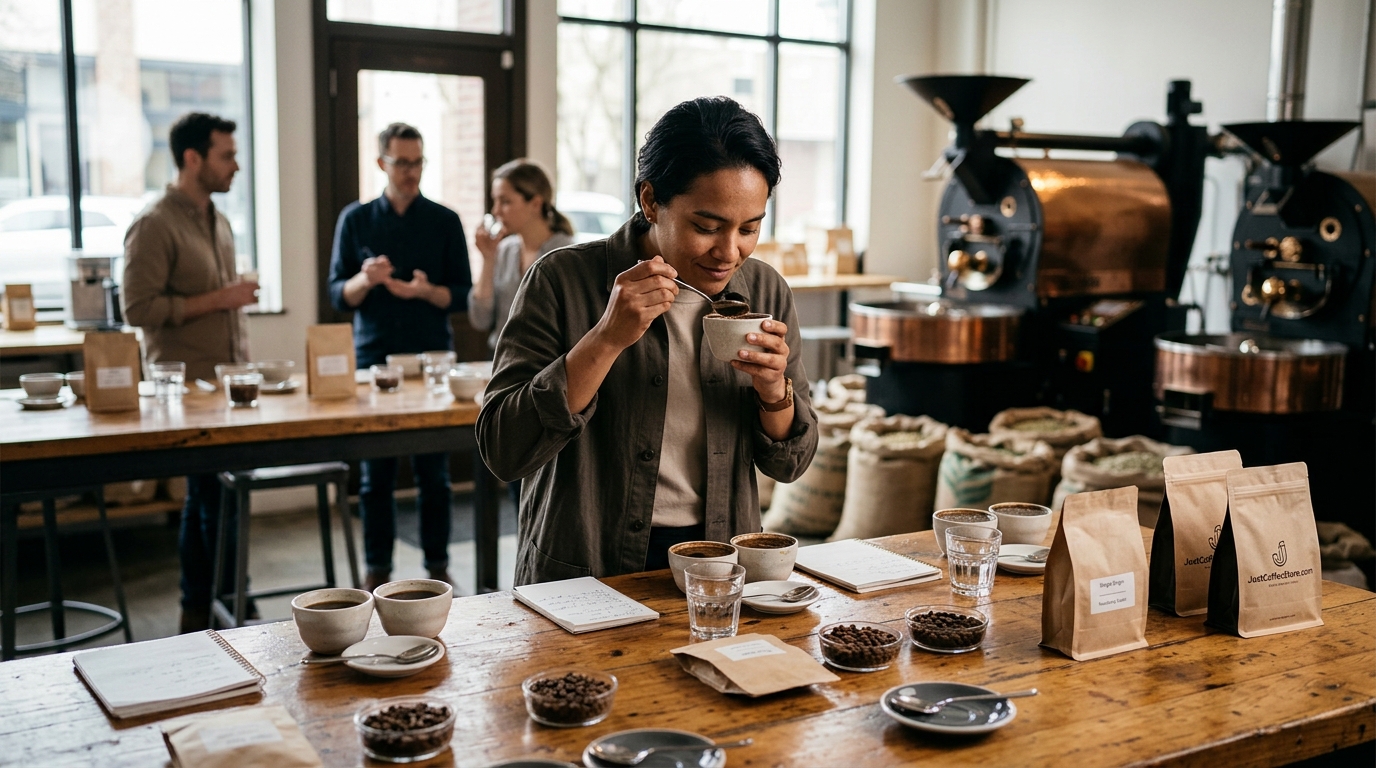
The global specialty coffee market has experienced exponential growth over the last decade, with industry reports indicating that the sector is expanding at a compound annual growth rate exceeding 10 percent. This surge reflects a fundamental shift in consumer behavior, where buyers are no longer satisfied with commodity-grade beans and are instead seeking traceable, high-quality experiences. According to data from the National Coffee Association, nearly 70 percent of American adults now drink coffee daily, and a significant portion of that demographic actively seeks out premium options that offer distinct flavor profiles and ethical sourcing stories. This guide explores the critical components that define premium coffee, from the specific regions where beans are cultivated to the precise roasting techniques that unlock their full potential.
What Defines Premium Coffee?
Premium coffee is not merely a marketing label but a rigorous classification based on agricultural quality, processing methods, and sensory evaluation. Specialty coffee is defined as coffee that scores 80 points or higher on a 100-point scale used by certified Q Graders. This scoring system evaluates the coffee's aroma, flavor, aftertaste, acidity, body, balance, uniformity, clean cup, sweetness, and overall impression. Beans that achieve this status are grown at higher altitudes, where slower maturation allows for greater sugar development and complex acidity.
Unlike commercial coffee, which often blends beans from multiple regions to maintain a consistent but generic taste, premium coffee celebrates the unique terroir of its origin. This means that the soil composition, climate, and elevation of the specific farm where the beans were grown impart distinct characteristics to the final cup. When you purchase from a dedicated roaster like Just Coffee, you are investing in this level of transparency and quality assurance.
Sourcing: The Importance of Single Origin
The journey of premium coffee begins long before it reaches the roastery. It starts in the highlands of countries such as Ethiopia, Colombia, and Guatemala. Single origin coffee is defined as coffee that is grown in a single geographic region, often down to a specific farm or cooperative. This traceability allows consumers to understand the exact conditions under which their coffee was produced.
When you explore the Single Origin collection, you are accessing beans that have been carefully selected for their unique profiles. For instance, Ethiopian Yirgacheffe beans are renowned for their floral and citrus notes, while Colombian Supremo beans offer a rich, nutty sweetness. By focusing on single-origin beans, roasters can highlight the subtle nuances that are often lost in blended coffees. This approach not only supports sustainable farming practices but also ensures that farmers are compensated fairly for their high-quality produce.
The Art and Science of Roasting
Roasting is the transformative process that turns green coffee beans into the aromatic brown beans we recognize. This stage is critical because it determines the final flavor profile of the coffee. Roasting is the process of applying heat to green coffee beans to develop their flavor, aroma, and color. The duration and temperature of the roast are carefully controlled to achieve the desired outcome, whether that is a light roast that preserves the bean's original characteristics or a dark roast that emphasizes bold, smoky flavors.
At Just Coffee, the roasting process is designed to bring out the best in each bean. Light roasts are ideal for single-origin beans from high altitudes, as they retain the bright acidity and complex fruit notes. Medium roasts offer a balanced profile, making them versatile for various brewing methods. Dark roasts, on the other hand, are perfect for those who prefer a stronger, more robust cup. The Blends category offers curated combinations that provide consistent quality and unique flavor experiences.
Optimal Brewing Methods for Premium Beans
Even the highest quality beans can be ruined by improper brewing techniques. To fully appreciate the nuances of premium coffee, it is essential to use the right brewing method. The three most popular methods for home brewing are pour-over, French press, and espresso. Each method extracts different compounds from the coffee, resulting in distinct taste experiences.
Pour-over brewing allows for precise control over water temperature and flow rate, which is crucial for extracting the delicate flavors of light roast single-origin beans. The All Coffees collection includes options that are particularly well-suited for this method. French press brewing, by contrast, uses a metal filter that allows oils and fine particles to pass through, resulting in a fuller body and richer mouthfeel. This method is excellent for medium to dark roasts. Espresso requires finely ground coffee and high pressure to produce a concentrated shot with a layer of crema on top. For those who enjoy experimenting, Sample Packs provide an affordable way to test different beans with various brewing methods.
Understanding Flavor Profiles
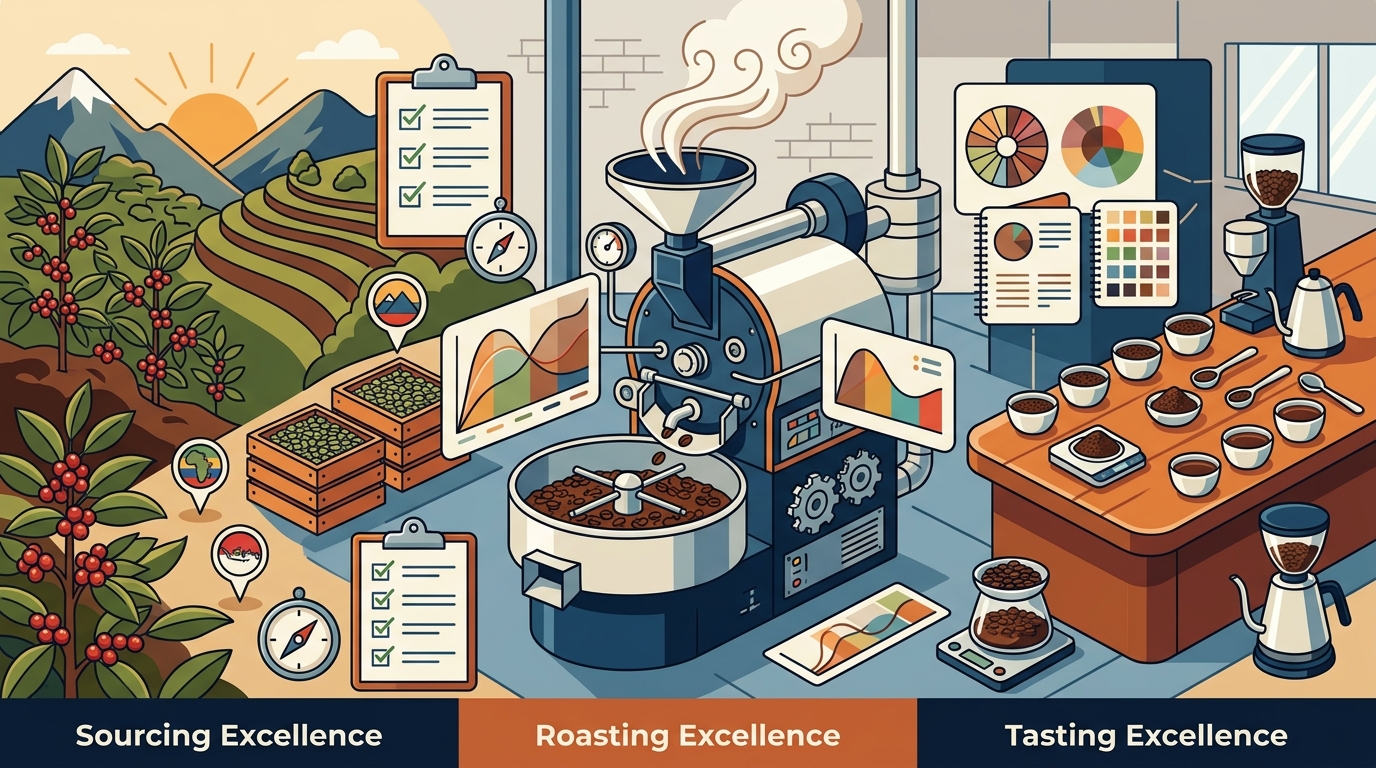
One of the most exciting aspects of premium coffee is the diversity of flavor profiles. Coffee tasting involves identifying specific notes such as chocolate, fruit, nuts, and spices. Flavor profile is defined as the combination of aroma, taste, and mouthfeel that characterizes a specific coffee. Understanding these profiles can enhance your appreciation and help you select beans that match your personal preferences.
For example, a coffee with a fruity flavor profile might have notes of blueberry or strawberry, while a chocolatey profile might feature hints of dark chocolate or cocoa. The Flavored category offers options for those who enjoy added sweetness and aroma, though many purists prefer to experience the natural flavors of the bean. By paying attention to the tasting notes provided by the roaster, you can make informed choices that align with your palate.
Premium vs. Commodity Coffee
Understanding the difference between premium and commodity coffee is essential for making informed purchasing decisions. Commodity coffee is often grown in lower altitudes and processed using methods that prioritize yield over quality. This results in a product that is consistent but lacks the complexity and depth of specialty coffee. Premium coffee, on the other hand, is grown with care and processed to highlight its unique characteristics.
| Feature | Premium Coffee | Commodity Coffee |
|---|---|---|
| Altitude | High altitude (6,000+ feet) | Low altitude |
| Processing | Washed, Natural, or Honey | Machine-dried |
| Flavor | Complex, distinct notes | Generic, flat |
| Traceability | Single origin or specific farm | Blended from multiple sources |
| Price | Higher, reflecting quality | Lower, mass-produced |
As noted by the Specialty Coffee Association, the demand for high-quality coffee is driving innovation in both farming and roasting. By choosing premium options, consumers support sustainable practices and encourage the industry to maintain high standards. The All Coffees page provides a comprehensive overview of the available options, ensuring that you can find the perfect bean for your needs.
Key Takeaways
- Premium coffee is defined by a score of 80 or higher on the specialty coffee scale.
- Single origin beans offer traceability and unique flavor profiles based on their geographic origin.
- Roasting techniques significantly impact the final taste, with light roasts preserving acidity and dark roasts emphasizing body.
- Brewing methods such as pour-over and French press allow for greater control over extraction and flavor.
- Understanding flavor profiles helps consumers select beans that match their personal preferences.
- Premium coffee supports sustainable farming and fair compensation for farmers.
- Sample packs are an excellent way to explore different beans and brewing methods without committing to full bags.
Frequently Asked Questions
What is the difference between light and dark roast?
Light roasts are roasted for a shorter time, preserving the bean's original flavors and acidity. Dark roasts are roasted longer, resulting in a bolder, smokier taste with less acidity.
Why is single origin coffee more expensive?
Single origin coffee is often grown at higher altitudes and processed with more care, leading to higher quality beans. The limited supply and ethical sourcing practices also contribute to the higher price.
How should I store my premium coffee?
Store your coffee in an airtight container in a cool, dark place. Avoid refrigeration or freezing, as moisture and temperature fluctuations can degrade the flavor.
What is the best brewing method for single origin beans?
Pour-over is often considered the best method for single origin beans because it allows for precise control over extraction, highlighting the bean's unique characteristics.
Do you offer free shipping?
Yes, Just Coffee offers free shipping on all U.S. orders, making it easy to enjoy premium coffee delivered to your door.
What are flavored coffees?
Flavored coffees are beans that have been infused with natural or artificial flavors to enhance their taste. They are available in a variety of profiles, from vanilla to caramel.
How do I choose the right coffee for me?
Consider your preferred brewing method and flavor profile. If you enjoy bright, acidic coffees, try a light roast single origin. If you prefer a bold, full-bodied cup, opt for a dark roast or blend.
Start Your Premium Journey
Discover the difference that premium coffee makes in your daily routine. Explore the full collection at Just Coffee and find the perfect beans to suit your taste. With free shipping on all U.S. orders, there has never been a better time to elevate your coffee experience.