

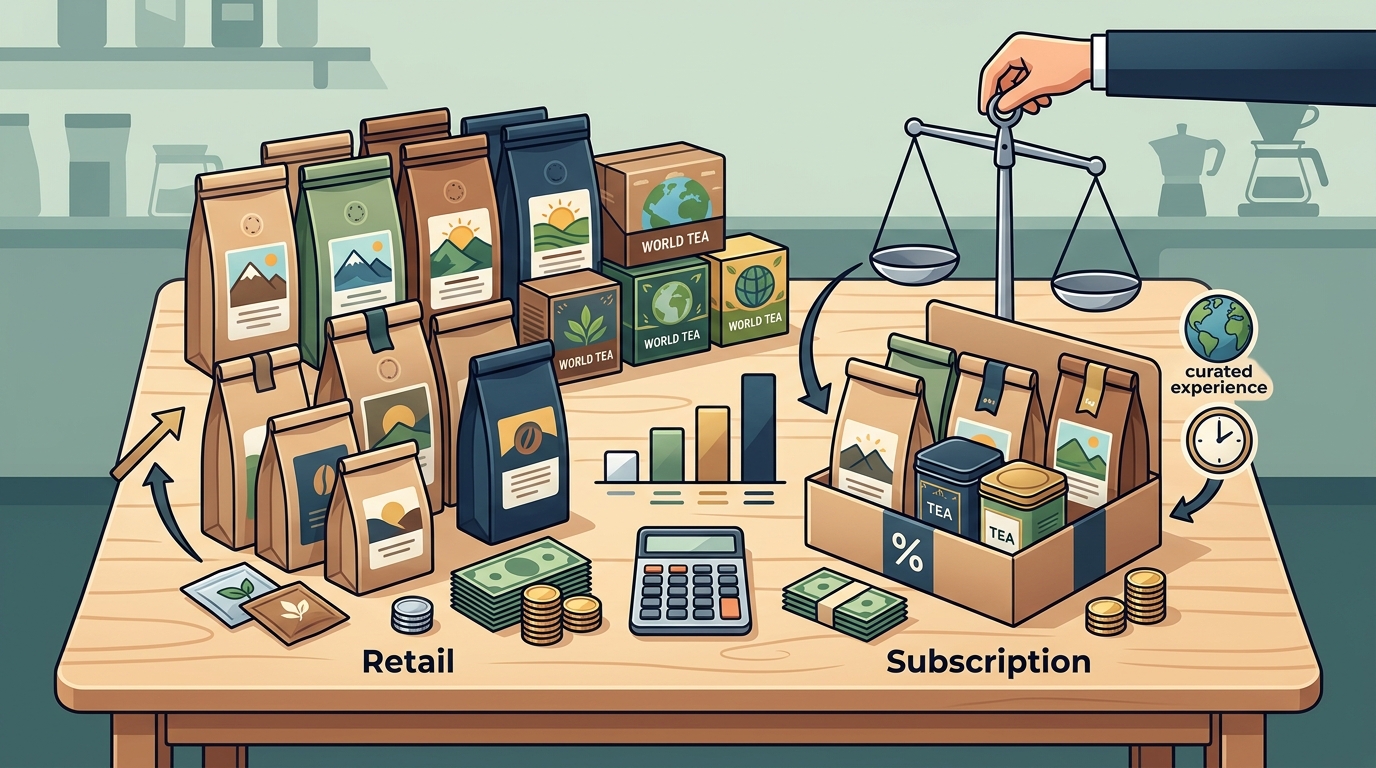
The global market for premium beverage subscriptions has expanded rapidly, with industry data showing that the specialty coffee sector alone generates billions in annual revenue. Consumers are increasingly willing to pay a premium for freshness, ethical sourcing, and curated experiences. According to recent market reports, the average subscription box customer expects a 20 to 30 percent cost saving compared to buying retail. This guide analyzes the pricing structures of leading providers like Just Coffee to help you determine where your money delivers the most value.
Understanding Subscription Models
Before diving into specific prices, it is essential to define the core components of a subscription value proposition. A subscription is a recurring service model where customers pay a regular fee to receive goods or services. In the beverage industry, this typically involves monthly deliveries of roasted coffee or loose-leaf tea. The value is derived not just from the product itself, but from the convenience of automated replenishment and the exclusivity of limited-batch offerings.
Just Coffee operates on a direct-to-consumer model that eliminates middlemen. This approach allows for fresher products and more competitive pricing. By roasting in small batches and shipping directly, they maintain quality control that traditional retail chains often cannot match. This operational efficiency is a key driver in their pricing strategy.
Coffee Pricing Strategies
Coffee subscriptions generally fall into two categories: single-origin and blends. Single-origin coffees are grown in a specific geographic region, offering unique flavor profiles. Blends are mixtures of different beans designed for consistency and balance. The pricing for these categories varies based on the rarity of the bean and the roasting complexity.
When evaluating Just Coffee's offerings, you will find that their All Coffees collection includes a wide range of price points. This diversity allows customers to choose based on their budget without sacrificing quality. For instance, their Blends often provide a more accessible entry point for daily drinkers, while their Single Origin selections cater to enthusiasts seeking distinct terroir characteristics.
The pricing strategy here is transparent. There are no hidden fees for the coffee itself. The primary variable is the quantity and the specific bean origin. Customers can often choose between 12-ounce or larger bag sizes, which affects the per-pound cost. Buying in bulk through a subscription typically lowers the per-unit price compared to one-time purchases.
Tea Value Analysis
While coffee often dominates the subscription conversation, premium tea is a rapidly growing segment. Tea subscriptions offer a different value proposition, focusing on health benefits, intricate processing methods, and cultural heritage. The cost of tea can vary wildly depending on whether the leaves are standard grade or high-altitude, hand-picked varieties.
Just Coffee includes a dedicated Teas collection, ensuring that tea lovers have access to the same high-quality standards as coffee drinkers. The pricing for tea is often higher per ounce than coffee due to the labor-intensive harvesting process. However, the value is measured in steepings per leaf. High-quality loose-leaf tea can be steeped multiple times, offering a longer lifespan per package than ground coffee.
Additionally, the Flavored category offers unique options for those who prefer infused profiles. These products often command a slight premium due to the natural flavoring agents used. Understanding the difference between natural and artificial flavoring is crucial for assessing true value.
Cost Per Cup Breakdown
To truly compare value, we must look at the cost per cup. This metric normalizes the price across different package sizes and product types. For coffee, a standard 12-ounce bag might cost between $15 and $25. If you use 20 grams of coffee per cup, that bag yields approximately 17 cups. This results in a cost of roughly $0.88 to $1.47 per cup.
Tea pricing is more complex. A 2-ounce tin of premium tea might cost $20. If each gram yields two steepings, that tin provides 56 steepings. The cost per steeping is approximately $0.35. This demonstrates that while the upfront cost of tea is high, the daily cost can be significantly lower than coffee.
| Product Type | Average Package Price | Servings Per Package | Cost Per Serving |
|---|---|---|---|
| Specialty Coffee (12oz) | $18.00 | 17 cups | $1.06 |
| Premium Loose-Leaf Tea (2oz) | $20.00 | 56 steepings | $0.36 |
| Sample Pack (Coffee) | $15.00 | 6 cups | $2.50 |
As shown in the table above, the cost per serving for tea is substantially lower than coffee. However, the experience and intensity differ. Coffee provides a higher caffeine kick and robust flavor, while tea offers a more nuanced, calming profile. The choice depends on your personal preference and daily routine.
Shipping and Logistics Impact
Shipping costs are a critical component of subscription value. Many specialty brands charge high shipping fees, which can negate the savings from the product itself. Just Coffee offers Free Shipping on All U.S. Orders. This is a significant value add that reduces the total cost of ownership for the customer.
For international customers, shipping costs vary by region. The platform supports global shipping to countries such as Canada, Australia, and the United Kingdom. While international rates apply, the base product pricing remains competitive. Understanding the logistics helps in planning your subscription budget.
Furthermore, the frequency of delivery affects freshness and cost. Monthly deliveries ensure that you always have fresh stock. Bi-weekly deliveries might be necessary for heavy drinkers. Adjusting the frequency allows you to manage cash flow and product freshness simultaneously.
Key Takeaways
- Cost Efficiency: Tea subscriptions generally offer a lower cost per serving than coffee subscriptions due to multiple steepings per leaf.
- Shipping Benefits: Just Coffee provides free shipping on all U.S. orders, which significantly enhances the value proposition for domestic subscribers.
- Product Diversity: The availability of Sample Packs allows customers to test products before committing to a full subscription, reducing the risk of poor value.
- Freshness Factor: Direct-to-consumer roasting ensures that coffee is shipped shortly after roasting, preserving flavor compounds that degrade in retail environments.
- Global Reach: The platform supports international shipping, making specialty coffee and tea accessible to a global audience, though rates vary by location.
- Transparency: Clear categorization of All Coffees and teas helps customers make informed decisions based on their taste preferences and budget.
Frequently Asked Questions
How does the cost of coffee subscriptions compare to tea?
Coffee subscriptions typically have a higher cost per serving than tea. However, coffee offers a different intensity and caffeine content. Tea provides more steepings per ounce, making it more economical for daily consumption.
Does Just Coffee offer free shipping?
Yes, Just Coffee offers free shipping on all U.S. orders. This policy applies to both coffee and tea subscriptions, reducing the overall cost for domestic customers.
Can I try products before subscribing?
Absolutely. Just Coffee offers Sample Packs that allow you to taste various blends and single origins. This is an excellent way to find your preferred profile before committing to a recurring subscription.
What is the difference between blends and single-origin coffee?
Blends are mixtures of beans from different regions designed for consistency and balance. Single-origin coffees come from one specific farm or region, offering unique flavor profiles that reflect the local terroir.
How often should I receive my subscription?
The frequency depends on your consumption. Most customers find monthly deliveries sufficient. Heavy drinkers may prefer bi-weekly deliveries to ensure they never run out of fresh coffee or tea.
Are the teas loose-leaf or bagged?
Just Coffee primarily offers high-quality loose-leaf teas. Loose-leaf tea is generally considered superior to bagged tea because the leaves have more room to expand, releasing a fuller flavor and aroma.
Is the coffee ethically sourced?
Just Coffee emphasizes ethical sourcing and direct relationships with farmers. This ensures fair compensation for growers and high-quality beans for consumers. The direct model supports sustainable farming practices.
Start Your Subscription
Choosing the right subscription depends on your taste preferences, budget, and consumption habits. Whether you prefer the boldness of specialty coffee or the nuance of premium tea, Just Coffee offers a robust selection to meet your needs. With free shipping on U.S. orders and a wide range of products, you can enjoy high-quality beverages without the hassle of store visits.
Explore the All Coffees collection or browse the Teas section to find your perfect match. Start your subscription today and experience the difference of freshly roasted coffee and premium tea delivered to your door.