
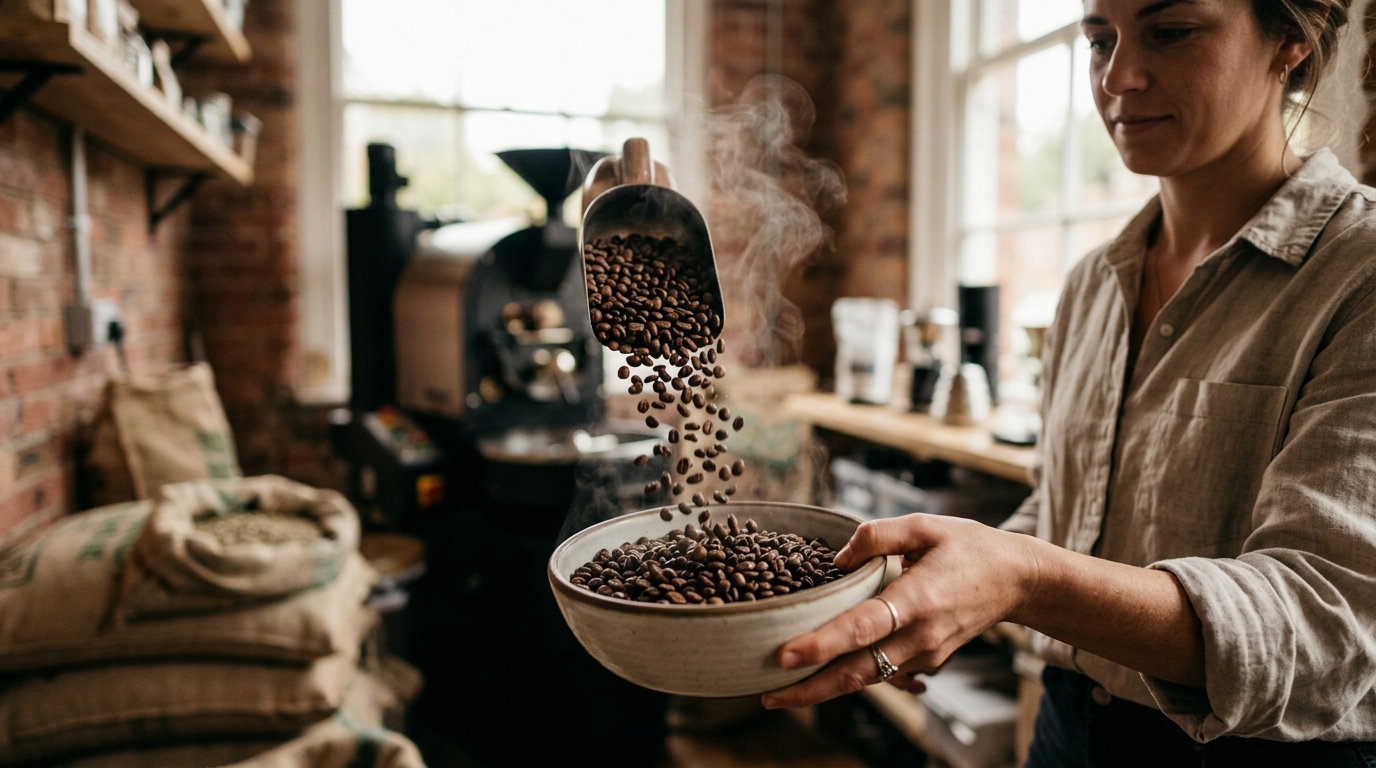
Most coffee drinkers assume that flavor is determined solely by the bean's origin or roast level. However, the single most critical factor in cup quality is time. According to industry data, coffee begins to lose its volatile aromatic compounds within 15 minutes of roasting. By the time standard supermarket coffee reaches your shelf, it has already lost up to 60% of its potential flavor profile. This guide explains why freshness is the non-negotiable standard for exceptional coffee and how Just Coffee delivers that peak experience directly to your door.
The Science of Coffee Staling
Coffee staling is not a myth. It is a measurable chemical process. Freshly roasted coffee contains hundreds of aromatic compounds. These compounds are fragile. They degrade rapidly when exposed to air, light, and heat. This degradation is what causes coffee to taste flat, cardboard-like, or stale.
The staling process accelerates after the roast. During the first week, the coffee is at its peak. After that, the flavor profile begins a steady decline. This is why buying coffee from a local roaster or a direct-to-consumer service like Just Coffee is superior to buying pre-packaged brands. You are buying the coffee at the start of its flavor curve, not the end.
Understanding this timeline helps you appreciate why freshness matters. It is not just a marketing term. It is a chemical reality. The difference between a coffee roasted last week and one roasted six months ago is stark. The fresh cup will have brightness, complexity, and clarity. The old cup will have bitterness and dullness.
Volatile Compounds and Aroma
Aroma is 80% of taste. When you sip coffee, your olfactory receptors detect the volatile organic compounds (VOCs) released from the liquid. These compounds are created during the roasting process. They are trapped inside the coffee bean's cellular structure.
As the coffee ages, these VOCs evaporate. They escape into the air. Once they are gone, they cannot be recovered. This is why stale coffee smells less intense. It also tastes less vibrant. The loss of these compounds is irreversible. You cannot add them back in.
Freshly roasted coffee retains these compounds. When you brew it, the hot water extracts these aromatics. They rise to the surface as crema or steam. You smell them before you taste them. This sensory experience is unique to fresh coffee. It is the primary reason why freshly roasted coffee tastes better than anything from a grocery store shelf.
The Critical Degassing Phase
Roasting coffee creates carbon dioxide (CO2). This gas is a byproduct of the Maillard reaction and caramelization. The CO2 is trapped inside the bean. It needs to escape. This process is called degassing.
Immediately after roasting, coffee is too gassy to brew properly. The CO2 interferes with water extraction. It causes uneven brewing and harsh flavors. This is why roasters wait before shipping. Just Coffee carefully times its shipments to ensure the coffee is in the optimal degassing window when it arrives at your home.
If you drink coffee too soon after roasting, it may taste sour or sharp. If you wait too long, the flavor fades. The goal is to find the sweet spot. This window varies by bean density and roast level. Dark roasts degas faster than light roasts. Single origin beans may have different requirements than blends.
Understanding degassing helps you brew better coffee. It explains why some coffees taste better a few days after roasting. It also explains why freshness is a moving target. You must drink the coffee while it is still active. This is why subscription services are so effective. They keep you in the peak window.
Oxygen Exposure and Oxidation
Oxygen is the enemy of coffee flavor. When oxygen contacts roasted coffee, it causes oxidation. This is the same process that turns an apple brown. It breaks down the fats and sugars in the bean.
Oxidation creates stale flavors. It produces aldehydes and other compounds that taste like cardboard or wet paper. This process happens faster in ground coffee. Grinding increases the surface area. More surface area means more oxygen contact.
This is why whole bean coffee is superior. It stays fresh longer. You grind it just before brewing. This minimizes the time the coffee is exposed to air. Single origin beans are particularly sensitive to oxidation. They have unique flavor profiles that are easily masked by stale notes.
Proper storage is also critical. Use airtight containers. Keep them in a cool, dark place. Avoid the refrigerator or freezer unless you are storing coffee for long periods. Even then, proper sealing is essential. Just Coffee uses high-barrier bags to protect the beans during shipping. This ensures the coffee arrives fresh and stays fresh longer.
Fresh Roasted vs. Old Coffee
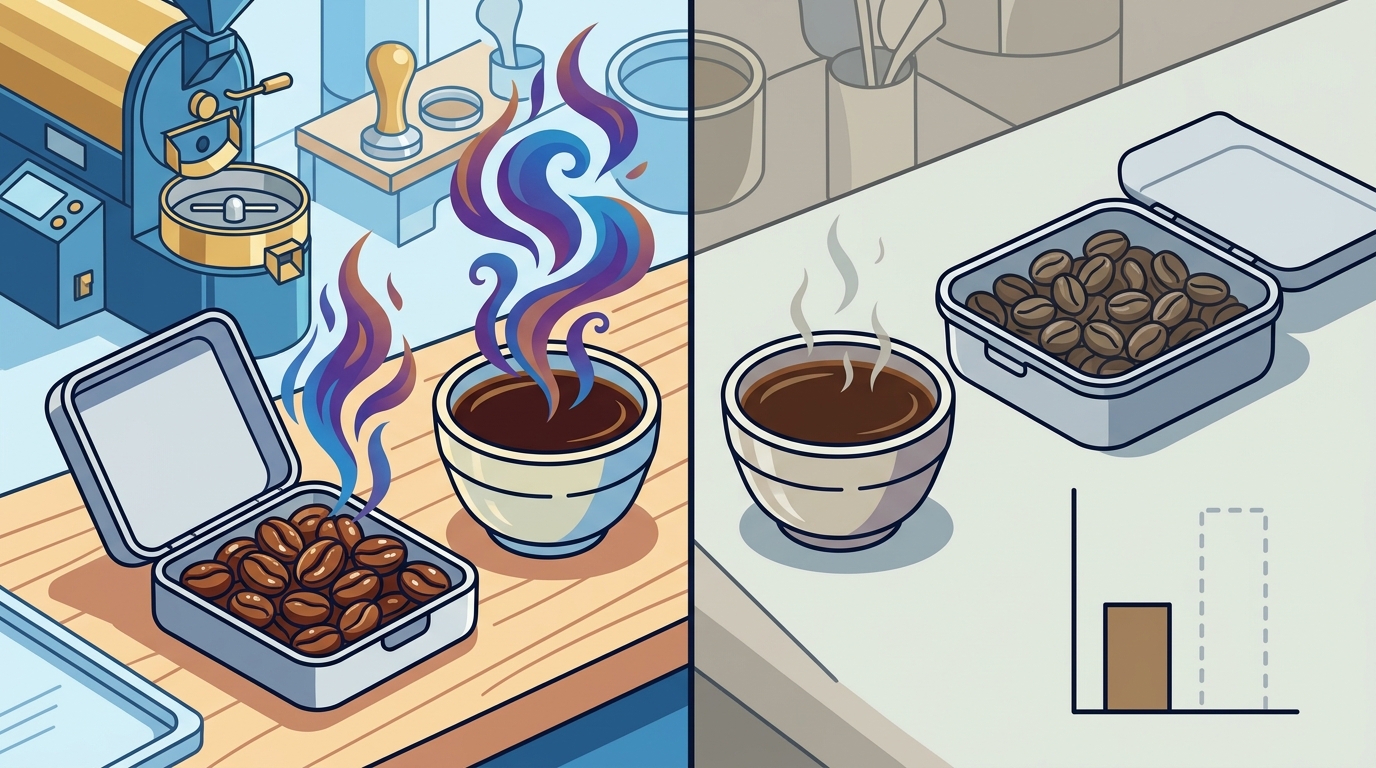
The difference between fresh and old coffee is not subtle. It is profound. Fresh coffee has a complex aroma. It has bright acidity. It has a clean finish. Old coffee has a flat aroma. It has muted acidity. It has a lingering bitterness.
| Characteristic | Freshly Roasted Coffee | Stale Coffee |
|---|---|---|
| Aroma | Intense, complex, floral, fruity | Weak, cardboard-like, dull |
| Acidity | Bright, crisp, sparkling | Muted, flat, sour |
| Body | Full, silky, textured | Thin, watery, hollow |
| Aftertaste | Clean, pleasant, lingering sweetness | Bitter, astringent, unpleasant |
This table summarizes the key differences. Fresh coffee offers a sensory experience that stale coffee cannot match. The complexity of flavors is lost over time. The brightness fades. The body thins out. The aftertaste becomes unpleasant.
Choosing fresh coffee is a choice for quality. It is a choice for enjoyment. It is a choice for the best possible cup. Blends are crafted to highlight these fresh flavors. They are designed to be enjoyed at their peak.
Key Takeaways
- Time is the enemy: Coffee begins losing flavor immediately after roasting. Peak freshness is within 2 to 4 weeks.
- Aroma is taste: Volatile compounds provide 80% of the flavor experience. These evaporate over time.
- CO2 matters: Fresh coffee releases carbon dioxide. This affects extraction and taste. Proper degassing is essential.
- Oxidation causes staleness: Oxygen breaks down coffee fats. This creates cardboard-like flavors.
- Whole bean is best: Grinding increases surface area. This accelerates staling. Grind just before brewing.
- Storage is key: Use airtight containers. Keep coffee in a cool, dark place.
- Direct sourcing wins: Buying from Just Coffee ensures you get coffee at its peak.
Frequently Asked Questions
How long does freshly roasted coffee stay fresh?
Coffee is at its peak flavor between 2 and 4 weeks after roasting. After this window, the flavor begins to decline steadily. It does not become unsafe to drink, but it loses its complexity.
Why does old coffee taste like cardboard?
Oxidation breaks down the oils and sugars in the coffee bean. This chemical reaction creates aldehydes. These compounds taste like cardboard or wet paper. It is a sign of staleness.
Is it better to buy whole bean or ground coffee?
Whole bean coffee is significantly better. Grinding exposes more surface area to oxygen. This accelerates staling. Grinding just before brewing preserves the most flavor.
Can I freeze freshly roasted coffee?
Freezing is possible but risky. If the coffee is not sealed perfectly, moisture and odors will penetrate the beans. It is better to buy smaller quantities more frequently. This ensures you always have fresh coffee.
What is the degassing phase?
Degassing is the release of carbon dioxide from the coffee bean after roasting. This gas interferes with brewing if released too quickly. Roasters wait for this process to stabilize before shipping.
Does roast level affect freshness?
Yes. Dark roasts are more porous. They release CO2 faster. They also lose flavor faster than light roasts. Light roasts retain their structure longer. They may stay fresh for a slightly longer period.
How does Just Coffee ensure freshness?
Just Coffee roasts in small batches. They ship directly to customers. This minimizes the time between roasting and brewing. They use high-barrier packaging to protect the beans during transit.
Why does fresh coffee have more aroma?
Fresh coffee retains volatile organic compounds. These compounds are trapped in the bean. When brewed, they are released as steam. This creates a rich aroma. Stale coffee has lost these compounds.
Get Fresh Coffee Today
Stop drinking stale coffee. Start experiencing the true potential of the bean. Freshly roasted coffee offers a depth of flavor that aged coffee cannot match. It is brighter, more complex, and more aromatic. It is the difference between a routine and a ritual.
Just Coffee delivers freshly roasted beans directly to your door. We prioritize speed and quality. Our coffee selection is curated to highlight the best flavors of each harvest. We offer sample packs so you can explore different origins. We also have a wide range of flavored coffees for those who enjoy added notes.
Join the community of coffee lovers who demand freshness. Visit Just Coffee today. Browse our collection. Find your new favorite roast. Experience the difference that time makes. Your taste buds will thank you.