
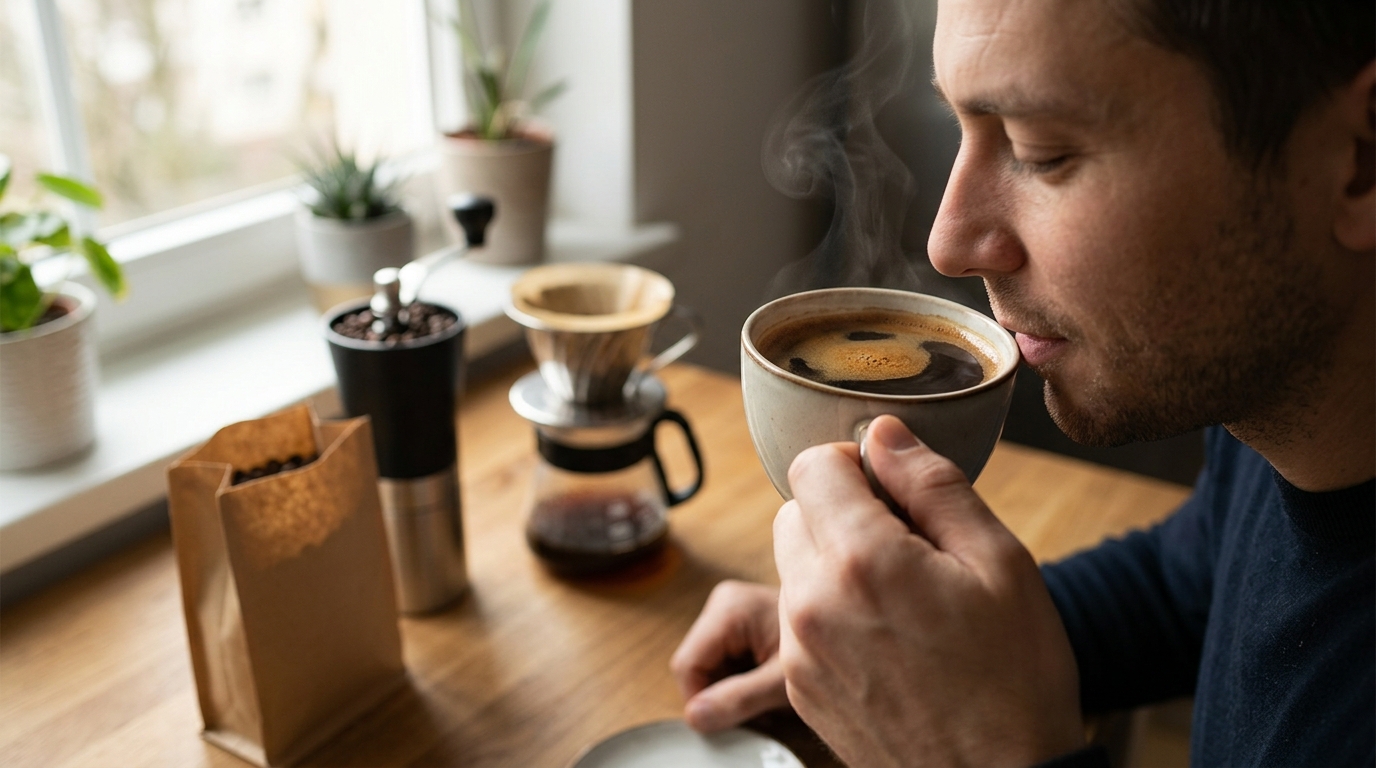
Coffee is one of the most consumed beverages globally, yet its flavor profile is notoriously volatile. According to the Specialty Coffee Association, the window for peak flavor after roasting is remarkably narrow, often lasting only a few weeks. This rapid decline in quality is not due to poor brewing techniques but rather fundamental chemical reactions that begin the moment the roast cycle ends. Understanding this timeline is critical for any coffee enthusiast who wants to experience the true complexity of their beans. (Products ndash Just Coffee)
The Degassing Process Explained
When coffee beans are roasted, they undergo a complex transformation that releases significant amounts of carbon dioxide (CO2). This process is known as degassing. Carbon dioxide is a byproduct of the Maillard reaction and caramelization that occurs during roasting. Immediately after roasting, the beans are saturated with this gas, which can actually interfere with the extraction of flavors during brewing.
If you brew coffee immediately after roasting, the result is often harsh, acidic, and uneven. The escaping CO2 creates channels in the coffee grounds, leading to channeling and under-extraction. This is why many roasters recommend a "resting period" of several days to a few weeks. During this time, the CO2 levels stabilize, allowing the water to interact more evenly with the coffee solids. Just Coffee ensures that their beans are shipped at the optimal point in this degassing window to guarantee a balanced cup right out of the box.
Volatile Compounds and Aroma
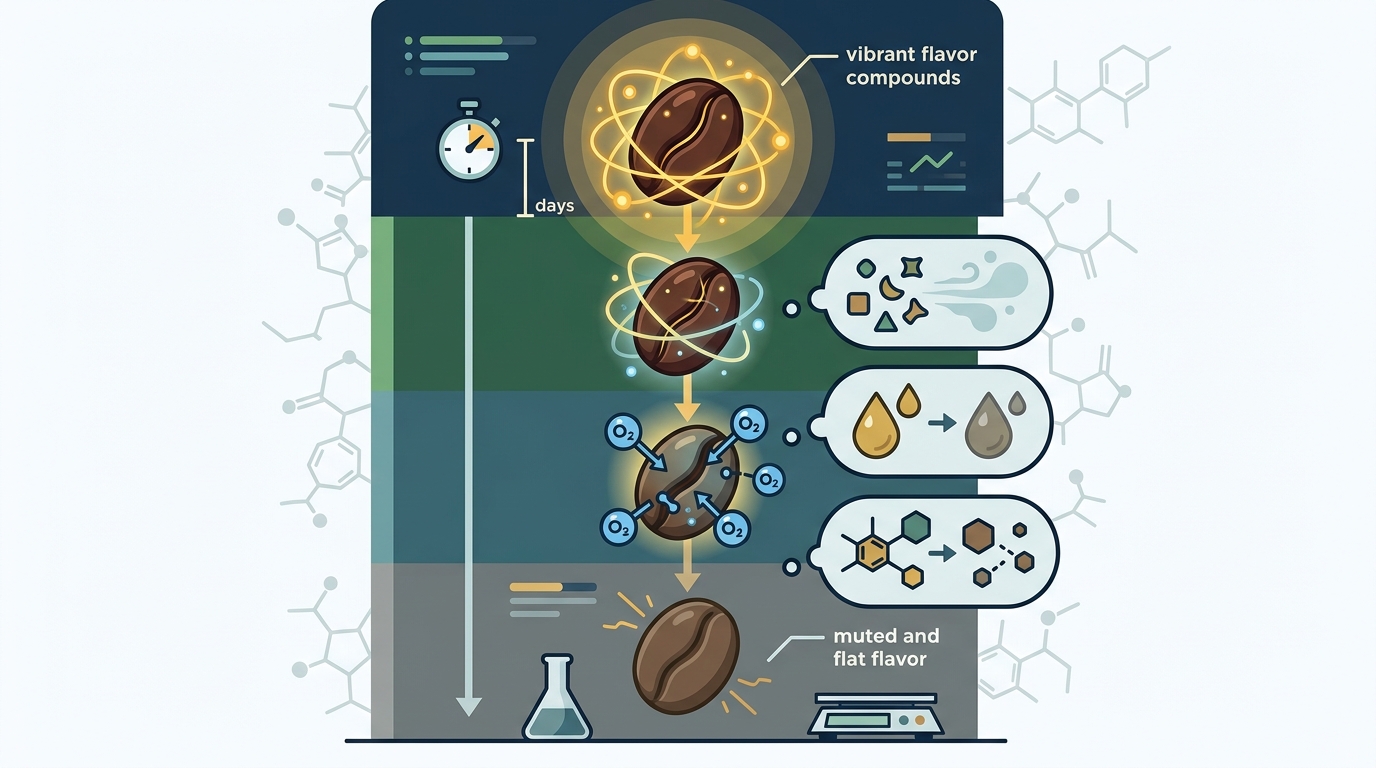
The aroma of coffee is responsible for a significant portion of what we perceive as taste. These aromas come from hundreds of volatile organic compounds (VOCs) that are created during roasting. Volatile organic compounds are chemical substances that have high vapor pressure at ordinary room temperature. These compounds are fragile and begin to evaporate or break down almost immediately after the beans cool.
Research in food chemistry indicates that the concentration of these aromatic compounds decreases rapidly over time. A study published in the Journal of Agricultural and Food Chemistry highlights that the loss of these volatiles is the primary driver of flavor degradation. When you buy freshly roasted coffee, you are capturing these compounds at their peak concentration. By the time mass-market coffee reaches supermarket shelves, often months after roasting, the majority of these delicate aromatics have vanished.
Oxidation and Flavor Staling
Oxidation is the enemy of fresh coffee. When coffee beans are exposed to oxygen, the oils and compounds within them begin to react, leading to staling. This process is similar to how an apple turns brown after being cut. Oxidation is a chemical reaction that occurs when coffee compounds interact with atmospheric oxygen. This reaction alters the chemical structure of the coffee, turning bright, fruity, or floral notes into flat, cardboard-like flavors.
The rate of oxidation depends on several factors, including the roast level, the grind size, and the storage environment. Darker roasts have more porous structures, which can accelerate oxidation. Ground coffee oxidizes much faster than whole beans because the surface area exposed to air is vastly increased. This is why buying whole bean coffee and grinding it just before brewing is the gold standard for freshness. Just Coffee offers a variety of single-origin and blend options to ensure you have access to high-quality beans before they begin this oxidative process.
The Critical Role of Roast Date
The roast date is the single most important indicator of coffee freshness. Unlike wine, which can improve with age, coffee is at its best shortly after roasting. The roast date marks the beginning of the coffee's flavor lifecycle. It tells you exactly how much time has passed since the beans were heated to their peak flavor potential.
Many commercial coffee brands do not display a roast date, instead using a "best by" date that can be misleading. A "best by" date is often set months in advance to account for supply chain logistics, not the actual freshness of the product. In contrast, specialty roasters like Just Coffee prioritize transparency by highlighting the roast date. This allows customers to choose beans that are within their optimal drinking window, ensuring the highest quality experience.
Optimal Storage Methods
Even the freshest coffee will lose its quality if stored incorrectly. Proper storage is essential to slow down the processes of oxidation and moisture absorption. Proper storage involves keeping coffee in an airtight container away from light, heat, and moisture. The ideal storage environment is cool, dark, and dry.
Here are the key principles for storing coffee:
- Airtight Containers: Use containers with one-way valves to allow CO2 to escape without letting oxygen in.
- Dark Locations: UV light can degrade coffee oils and accelerate staling.
- Room Temperature: Avoid storing coffee in the refrigerator or freezer unless you are freezing it for long-term storage in airtight packaging.
- Whole Beans: Grind only what you need for each brew to minimize surface area exposure.
Just Coffee provides guidance on storage to help customers maintain the integrity of their beans from delivery to the first sip. By following these simple steps, you can extend the peak flavor window of your coffee significantly.
Fresh vs. Old Coffee Comparison
Understanding the difference between fresh and old coffee helps clarify why the roast date matters. The table below summarizes the key differences in flavor, aroma, and body.
| Characteristic | Freshly Roasted Coffee | Old/Stale Coffee |
|---|---|---|
| Aroma | Rich, complex, and vibrant | Faint, flat, or cardboard-like |
| Acidity | Bright and pleasant | Sharp or sour |
| Body | Full and syrupy | Thin and watery |
| Flavor Notes | Distinct fruit, nut, or chocolate notes | Generic, bitter, or muted |
| Crema (Espresso) | Thick and persistent | Thin and dissipates quickly |
As shown in the comparison, the sensory experience of fresh coffee is vastly superior. The complexity and depth of flavor found in freshly roasted beans are simply not present in older coffee. This is why investing in fresh coffee is worth the premium.
Key Takeaways
- CO2 Release: Freshly roasted coffee releases carbon dioxide, which must degas for optimal extraction.
- Aromatic Loss: Volatile organic compounds responsible for aroma degrade rapidly after roasting.
- Oxidation: Exposure to oxygen causes staling, turning fresh flavors into flat, cardboard-like notes.
- Roast Date: The roast date is the true indicator of freshness, unlike "best by" dates.
- Storage: Airtight, dark, and cool storage preserves flavor longer.
- Whole Bean: Grinding coffee just before brewing minimizes oxidation.
- Specialty Quality: Fresh coffee offers distinct flavor notes that mass-market coffee lacks.
Frequently Asked Questions
How long after roasting is coffee best?
Coffee is generally considered to be at its peak flavor between 7 and 21 days after roasting. This window allows for proper degassing while preserving volatile aromatics.
Why does old coffee taste flat?
Old coffee tastes flat because the volatile organic compounds that provide aroma and flavor have evaporated or oxidized. This leaves behind the bitter compounds and lacks the complexity of fresh beans.
Should I store coffee in the fridge?
It is generally not recommended to store daily coffee in the fridge due to moisture and odor absorption. If you need to store coffee for long periods, freeze it in an airtight container, but avoid repeated thawing.
What is the difference between a roast date and a best by date?
A roast date indicates when the coffee was actually roasted, providing a true measure of freshness. A best by date is often a marketing tool set months in advance and does not reflect the actual condition of the beans.
Does grinding coffee affect freshness?
Yes, grinding coffee significantly increases the surface area exposed to oxygen, accelerating oxidation. Grinding just before brewing is the best way to maintain freshness.
How can I tell if coffee is fresh?
Fresh coffee will have a strong, pleasant aroma and may release gas when opened if it is very fresh. The crema on espresso should be thick and persistent. Old coffee will have a dull aroma and weak crema.
Why do some coffees need to rest?
Some coffees, especially dark roasts, need to rest to allow excess CO2 to escape. Brewing too soon can result in a harsh, acidic cup due to the interference of CO2 during extraction.
Start Your Fresh Coffee Journey
Experience the difference that freshness makes in your daily cup. Just Coffee offers a curated selection of freshly roasted beans, delivered directly to your door. Explore our All Coffees collection to find your new favorite blend. Whether you prefer Single Origin varietals or rich Blends, we ensure every bag is roasted with care. Don't settle for stale coffee. Shop Now and taste the difference today.