
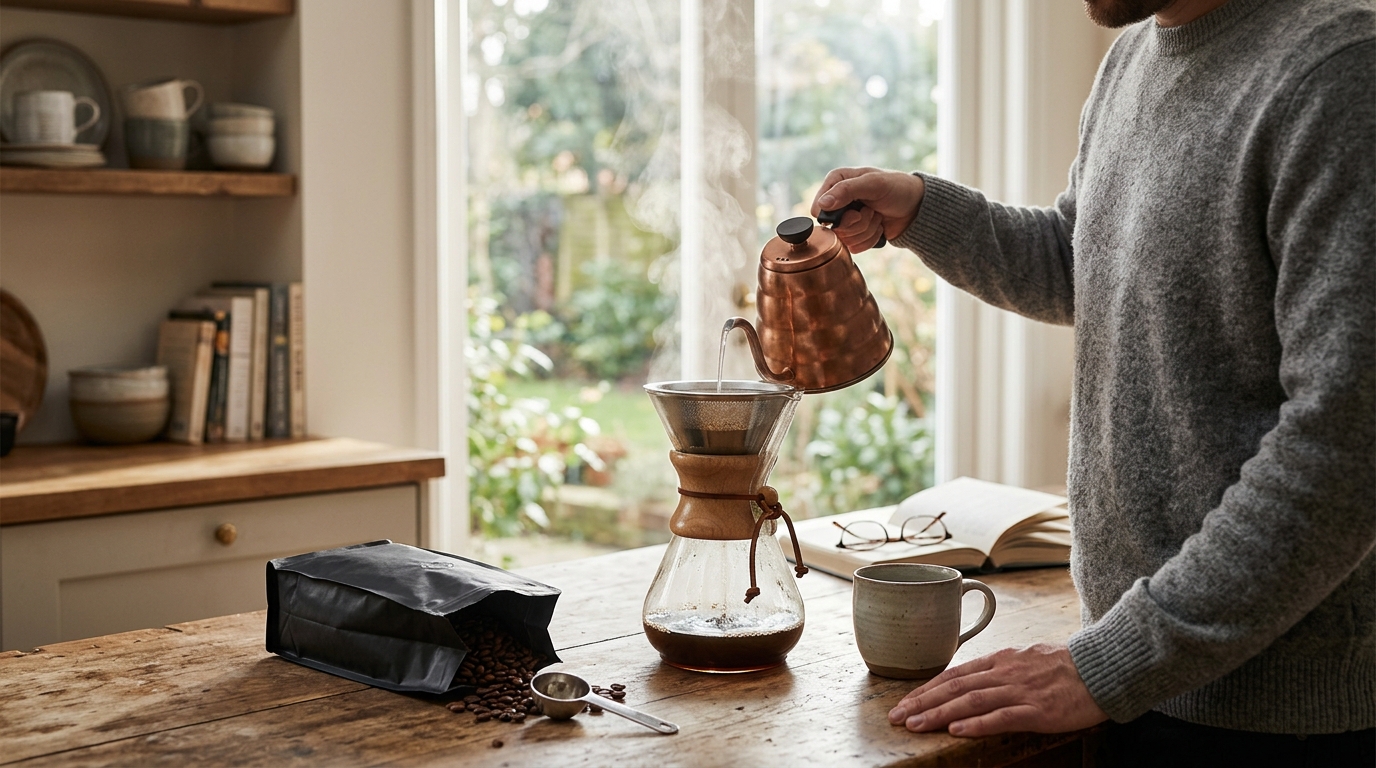
Most coffee drinkers assume that freshness is just a marketing buzzword. The reality is far more scientific. According to the Specialty Coffee Association, coffee begins to lose its volatile aromatic compounds within days of roasting. This rapid degradation means that the cup you brew today might taste completely different than the one you brew next week from the same bag. Understanding this timeline is critical for anyone who values a premium morning ritual.
The Degassing Process Explained
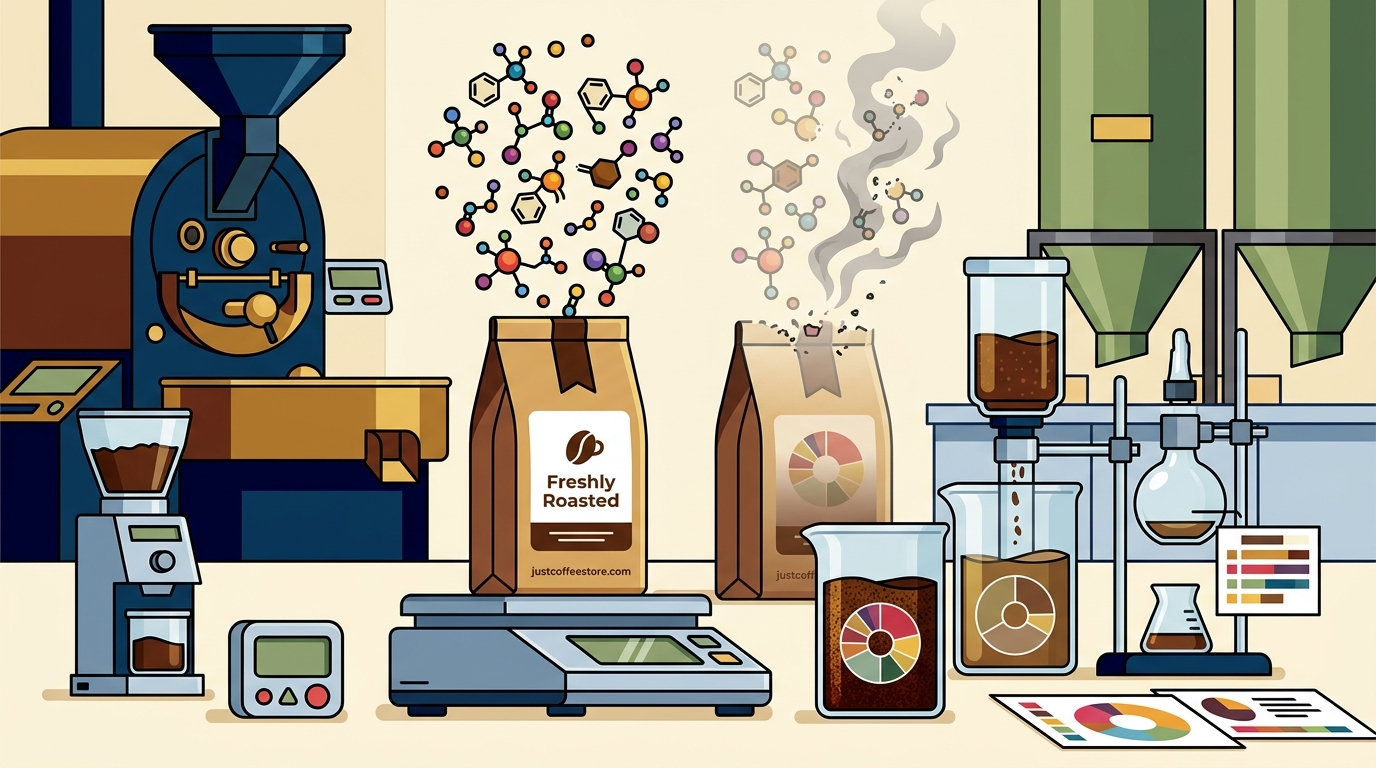
When coffee beans are roasted, they undergo a massive chemical transformation. Heat breaks down complex carbohydrates and sugars, releasing carbon dioxide (CO2) as a byproduct. This process is known as degassing. Freshly roasted coffee is essentially a pressurized vessel of gas.
Carbon dioxide is not just waste; it is a protective shield. During the first few days after roasting, the CO2 pushes out oxygen from the bean structure. This creates a temporary anaerobic environment that preserves the delicate oils and flavors inside the bean. If you were to brew coffee immediately after roasting, the excess gas would interfere with the extraction process, leading to a sour, uneven, and overly bitter cup.
This is why many baristas recommend a "resting period" of three to seven days for most roast profiles. However, this window is narrow. As the CO2 escapes, the protective barrier weakens, and the bean becomes vulnerable to the elements. This is the precise moment when freshness begins its inevitable decline.
Oxidation and the Staling Process
Oxidation is the primary enemy of coffee freshness. Just as a sliced apple turns brown when exposed to air, coffee beans undergo chemical changes when oxygen interacts with their cellular structure. This process is accelerated by heat and light, which is why proper storage is non-negotiable for quality.
According to food science research, the staling of coffee is not merely a loss of flavor but a chemical alteration of the bean's composition. Lipids (fats) within the coffee bean oxidize and turn rancid. This rancidity introduces off-flavors that no amount of brewing skill can mask. These notes often manifest as cardboard, dust, or stale nut flavors.
The rate of oxidation depends heavily on the roast level. Dark roasts have a more porous structure because the intense heat expands the bean's cell walls. This porosity allows oxygen to penetrate deeper and faster than in light roasts. Consequently, dark roasts often have a shorter window of peak freshness compared to their lighter counterparts.
The Role of Volatile Aromatics
The complexity of coffee flavor comes from over 800 volatile aromatic compounds. These compounds are responsible for the fruity, floral, chocolatey, and spicy notes we associate with high-quality coffee. These molecules are incredibly fragile and evaporate quickly once the bean is exposed to air.
When you buy coffee from a large supermarket, it may have been sitting on a shelf for months. By the time it reaches your kitchen, the majority of these volatile aromatics have already dissipated. What remains is a hollow shell of the original flavor profile, dominated by bitter compounds that do not degrade as quickly.
Freshly roasted coffee retains these aromatics in their peak concentration. This is why a cup of coffee from Just Coffee offers a sensory experience that mass-produced alternatives simply cannot replicate. The aroma alone provides a significant portion of the perceived taste, a phenomenon known as retronasal olfaction.
Why Roast Date Matters More Than Expiry
Many consumers look for an "expiration date" on coffee bags. This is a misleading metric for coffee. Unlike milk or meat, coffee does not become unsafe to drink after a certain date. Instead, it becomes less enjoyable. The relevant date is the "roast date."
A roast date tells you exactly when the chemical transformation began. It allows you to calculate the current stage of the bean's life cycle. If a bag has no roast date, you are buying blind. You have no way of knowing if the coffee is in its prime or past its peak.
At Just Coffee, we prioritize transparency by ensuring that every bag shipped is roasted with precision and shipped immediately. This eliminates the ambiguity of shelf life and ensures that you receive coffee at the optimal stage of its degassing and flavor retention window.
Storage Best Practices for Freshness
Even the freshest coffee will degrade if stored incorrectly. To maintain the integrity of your beans, you must control three variables: light, heat, and moisture.
- Airtight Containers: Oxygen is the primary driver of staling. Store your coffee in a container with a one-way valve if it is still degassing, or a completely airtight seal if it has rested.
- Cool and Dark: Heat accelerates chemical reactions. Store your coffee in a cool, dark cupboard away from stoves or windows. Never store coffee in the refrigerator or freezer unless you are freezing it in an airtight, vacuum-sealed package for long-term storage.
- Buy in Smaller Quantities: The less time coffee spends in your pantry, the better. It is better to buy a smaller bag of single origin coffee more frequently than a large bag that sits open for weeks.
Fresh vs. Stale Coffee Comparison
Understanding the tangible differences between fresh and stale coffee helps justify the effort of sourcing high-quality beans. The table below outlines the key sensory and chemical distinctions.
| Characteristic | Freshly Roasted Coffee (1-14 Days) | Stale Coffee (30+ Days) |
|---|---|---|
| Aroma | Complex, vibrant, and distinct (fruity, floral, nutty) | Dull, flat, or absent |
| Crema (Espresso) | Thick, persistent, and golden-brown | Thin, quick-disappearing, or non-existent |
| Acidity | Bright, crisp, and lively | Muted, sour, or flat |
| Body | Full, syrupy, and rich | Watery, thin, or hollow |
| Aftertaste | Clean, lingering, and pleasant | Bitter, astringent, or cardboard-like |
Key Takeaways
- Chemical Degradation: Coffee begins losing volatile aromatics immediately after roasting due to oxidation and gas escape.
- CO2 Protection: Carbon dioxide released during roasting initially protects the bean from oxygen, but this protection fades over time.
- Rancidity: The fats in coffee beans oxidize and turn rancid, creating stale flavors that cannot be reversed.
- Roast Date vs. Expiry: The roast date is the critical metric for quality, not an arbitrary expiration date.
- Storage Impact: Light, heat, and moisture accelerate staling, making proper storage essential for flavor preservation.
- Sensory Difference: Fresh coffee offers distinct acidity, body, and aroma profiles that stale coffee lacks.
- Source Matters: Buying from a roaster who ships quickly, such as Just Coffee, ensures you receive beans at their peak.
Frequently Asked Questions
How long does freshly roasted coffee stay fresh?
Peak freshness typically lasts between two to four weeks after the roast date. During this window, the balance of carbon dioxide and aromatic compounds is optimal for brewing.
Can I freeze coffee to keep it fresh?
Freezing can extend freshness, but only if done correctly. Beans must be vacuum-sealed and thawed only once. Repeated freezing and thawing introduces moisture and accelerates staling.
Why does my coffee taste bitter if it is fresh?
Bitterness in fresh coffee is often a result of over-extraction rather than staleness. It can also indicate a roast that is too dark for your brewing method. Fresh coffee should have a balanced profile, not just bitterness.
What is the difference between single origin and blends?
Single origin coffee comes from one specific geographic region, highlighting unique terroir characteristics. Blends combine beans from multiple regions to create a consistent and balanced flavor profile. Both can be freshly roasted.
Does decaffeinated coffee lose freshness faster?
Decaffeinated coffee has a slightly different chemical structure due to the processing method. Some argue it may lose flavor slightly faster, but proper storage mitigates this difference significantly.
How do I know if my coffee is stale?
Stale coffee lacks aroma and has a flat taste. If you open the bag and smell nothing, or if the coffee tastes like cardboard or wood, it has likely passed its prime.
Is it worth paying more for freshly roasted coffee?
Yes. The cost difference reflects the labor of small-batch roasting, quality control, and rapid shipping. The result is a superior cup of coffee that enhances your daily routine.
Experience the Difference of Fresh Roasts
Stop settling for stale coffee. The science is clear: freshness is the single most important factor in coffee quality. By choosing Just Coffee, you ensure that every bag you receive is roasted with care and delivered to your door before the flavors begin to fade. Explore our collection of freshly roasted coffees today and transform your morning ritual.