
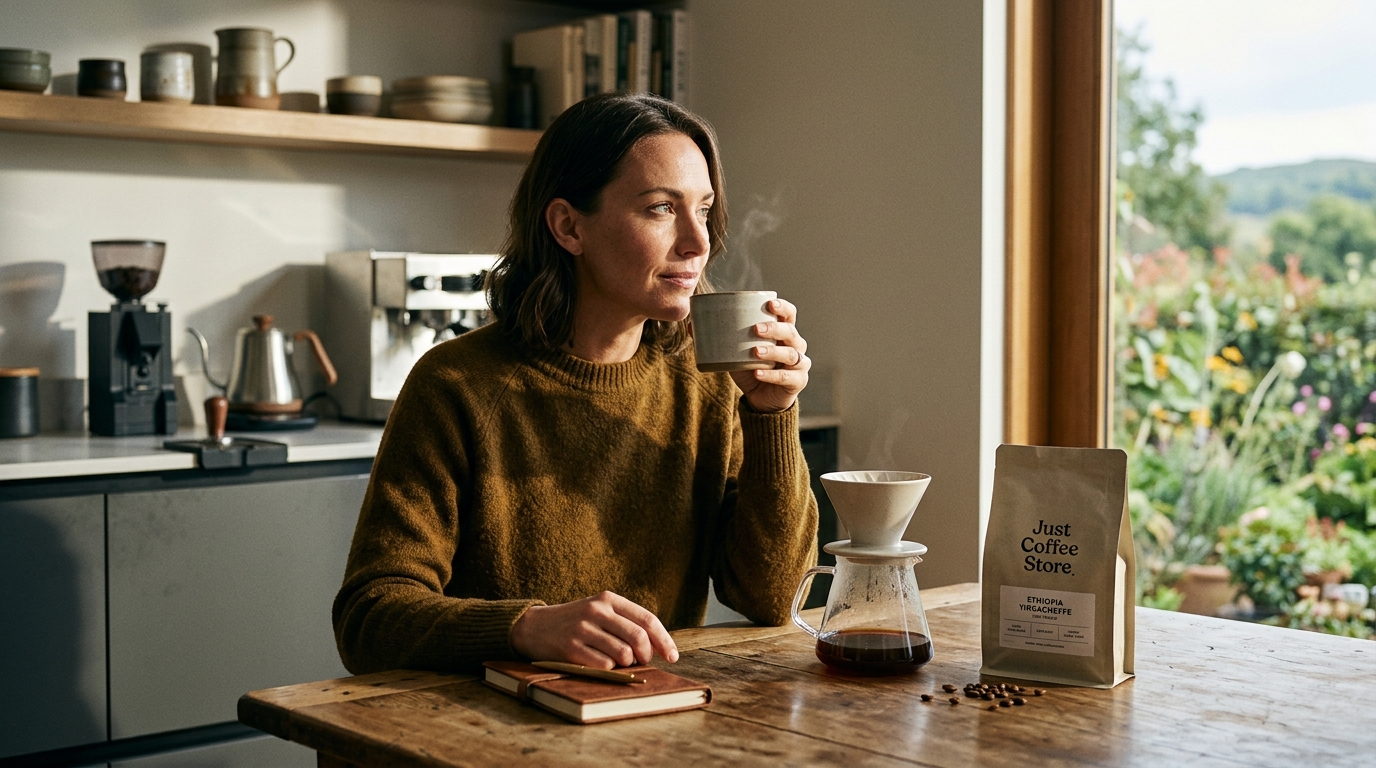
Single-origin coffee is coffee that comes from one specific geographic location, whether that is a single farm, a cooperative of farms, or a defined region. This contrasts with blended coffees, which mix beans from multiple countries to create a consistent, standardized flavor profile. According to the Specialty Coffee Association, the specialty coffee market has grown significantly, with consumers increasingly seeking transparency and unique flavor experiences. Choosing the right single-origin bean allows you to taste the distinct terroir, or environmental influence, of the place where the coffee was grown.
Understanding Single-Origin Coffee
Single-origin coffee is defined by its traceability. When you buy a bag labeled as single-origin, you are purchasing beans that share a common history and growing environment. This transparency is a hallmark of the modern specialty coffee movement. It allows roasters to highlight the unique characteristics imparted by the soil, altitude, and climate of that specific area.
At Just Coffee, we believe that the best things in life are often the simplest. No fuss, no frills, just rich, aromatic coffee crafted to brighten your mornings. Our commitment to single-origin beans ensures that every cup tells a story of its origin. Whether you prefer the bright acidity of an Ethiopian bean or the earthy depth of a Sumatran roast, single-origin coffees offer a pure expression of the plant's genetics and the farmer's craft.
Blended coffees, on the other hand, are designed for consistency. They mix beans from different harvests and regions to maintain a steady flavor year after year. While blends have their place, especially for espresso bases, single-origin coffees are ideal for those who want to explore the diversity of the coffee world. They change with the seasons and reflect the specific conditions of the harvest.
Key Coffee-Producing Regions
The world's coffee belt, located between the Tropics of Cancer and Capricorn, produces beans with distinct regional identities. Understanding these regions helps you predict the flavor profile before you even open the bag.
African Coffees
African coffees are renowned for their complex acidity and fruity notes. Ethiopia, often cited as the birthplace of coffee, produces beans with wine-like acidity and floral aromas. Kenya offers bright, citrusy flavors with a heavy body. Uganda provides a balanced cup with chocolatey undertones. These beans are often processed naturally, meaning the fruit is dried on the bean, which imparts intense fruit flavors.
Latin American Coffees
Latin American coffees are known for their balance and clarity. Peru, for example, produces beans with a clean, sweet profile and notes of caramel and nuts. Mexico offers a medium body with chocolate and spice notes. Brazil, the world's largest producer, provides a low-acid, nutty, and chocolatey base that is often used in blends but stands alone beautifully as a single-origin. These beans are typically washed, resulting in a cleaner taste.
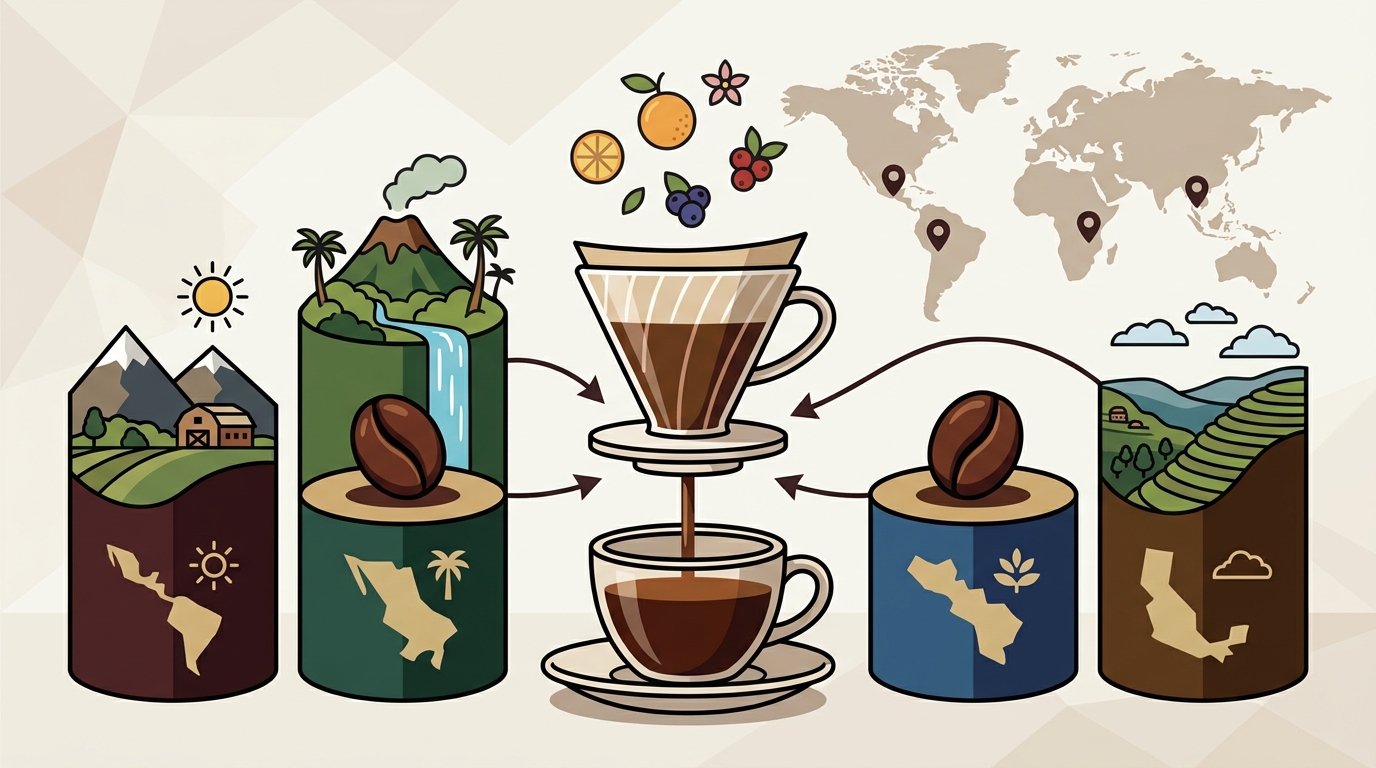
Asian and Pacific Coffees
Coffees from Asia and the Pacific Islands are often full-bodied with earthy, spicy, or herbal notes. Sumatra from Indonesia is famous for its heavy body and low acidity, with notes of cedar and tobacco. Bali offers a unique profile with floral and fruity hints. Papua New Guinea produces a clean, sweet cup with a wine-like acidity. These beans are often processed using the wet-hulled method, which contributes to their distinct earthy character.
Decoding Flavor Profiles
When choosing a single-origin coffee, you must consider your personal taste preferences. Coffee tasting involves identifying specific notes, such as fruit, chocolate, nuts, or spices. The roast level also plays a crucial role in shaping the final flavor.
Light roasts preserve the original flavors of the bean. They highlight the acidity and fruity notes, making them ideal for African and some Latin American coffees. Medium roasts offer a balance between the bean's origin character and the roast's sweetness. They are versatile and work well with most single-origin beans. Dark roasts emphasize the roast flavor, with notes of chocolate, caramel, and spice. They mask some of the origin characteristics but provide a bold, full-bodied cup.
Just Coffee offers a wide range of single-origin options to suit every palate. From the bright and fruity Ethiopia Natural to the earthy and bold Sumatra, there is a perfect bean for everyone. Our sample packs allow you to explore these diverse profiles without committing to a full bag. This approach lets you discover your new favorite origin through direct comparison.
A Practical Selection Guide
Selecting the perfect single-origin coffee involves evaluating several factors. Consider the roast level, the processing method, and your preferred brewing technique. Here is a quick reference guide to help you choose.
| Origin Region | Typical Flavor Notes | Best For | Recommended Just Coffee Product |
|---|---|---|---|
| Ethiopia | Fruity, Floral, Wine-like | Light Roast, Pour Over | Ethiopia Natural |
| Peru | Caramel, Nutty, Clean | Medium Roast, Drip | Peru |
| Sumatra | Earthy, Spicy, Full Body | Dark Roast, French Press | Sumatra |
| Kenya | Citrus, Berry, Bright | Light Roast, AeroPress | Kenya |
| Bali | Floral, Fruity, Sweet | Medium Roast, Pour Over | Bali Coffee Pods |
This table provides a snapshot of the diversity available. For a more comprehensive selection, visit our All Coffees collection. You can filter by origin, roast level, or flavor profile to find the exact match for your taste.
Optimizing Your Brew
Once you have chosen your single-origin coffee, the brewing method can enhance or diminish its unique qualities. Light roasts benefit from methods that highlight their acidity and clarity, such as pour-over or drip brewing. Medium roasts are versatile and work well with most methods, including French press and espresso. Dark roasts shine in methods that extract their bold flavors, such as French press or cold brew.
Just Coffee offers both whole bean and single-serve pod options. Our single-serve coffee capsules are designed to deliver the same quality as our whole bean offerings, with the convenience of a quick brew. Whether you prefer the ritual of grinding fresh beans or the ease of a pod, you can enjoy the perfect cup of single-origin coffee.
Water quality and temperature also play a significant role. Use filtered water and brew at the correct temperature for your roast level. Over-extraction can lead to bitterness, while under-extraction results in a sour, weak cup. Experiment with grind size and brew time to find the sweet spot for your specific bean.
Key Takeaways
- Single-origin coffee comes from one specific geographic location, offering a unique taste of that region.
- African coffees are known for fruity and floral notes, while Latin American coffees offer balance and clarity.
- Asian and Pacific coffees often feature earthy, spicy, and full-bodied profiles.
- Light roasts preserve origin characteristics, while dark roasts emphasize roast flavors.
- Just Coffee offers a wide range of single-origin beans, including Ethiopia Natural and Peru.
- Sample packs are an excellent way to explore different origins without committing to a full bag.
- Proper brewing techniques, including water temperature and grind size, are essential for optimal flavor.
Frequently Asked Questions
What is the difference between single-origin and blended coffee?
Single-origin coffee comes from one specific farm or region, highlighting unique terroir. Blended coffee mixes beans from multiple origins to create a consistent, balanced flavor profile.
Which single-origin coffee is best for beginners?
Latin American coffees, such as those from Peru or Mexico, are often recommended for beginners due to their balanced, approachable flavors with notes of chocolate and nuts.
How does roast level affect single-origin coffee?
Light roasts preserve the bean's original fruity and acidic notes. Medium roasts offer a balance of origin and roast flavors. Dark roasts emphasize bold, smoky, and chocolatey notes, masking some origin characteristics.
Can I buy single-origin coffee in pods?
Yes, Just Coffee offers single-origin coffee in single-serve pods, including options like Peru Coffee Pods and Bali Coffee Pods.
Why is single-origin coffee more expensive?
Single-origin coffees are often grown at higher altitudes and processed with more care, leading to higher quality but lower yields. This scarcity and the direct trade practices often support fair prices for farmers.
How should I store single-origin coffee?
Store your coffee in an airtight container in a cool, dark place. Avoid refrigeration or freezing, as moisture and temperature fluctuations can degrade the flavor.
What is the best brewing method for single-origin?
Pour-over is excellent for light roasts to highlight acidity. French press is great for dark roasts to extract full body. Drip coffee makers work well for medium roasts.
Shop Single-Origin Coffee
Ready to explore the world of single-origin coffee? Browse our extensive collection of premium beans and sample packs. Enjoy free shipping on all U.S. orders and discover your perfect cup today.