
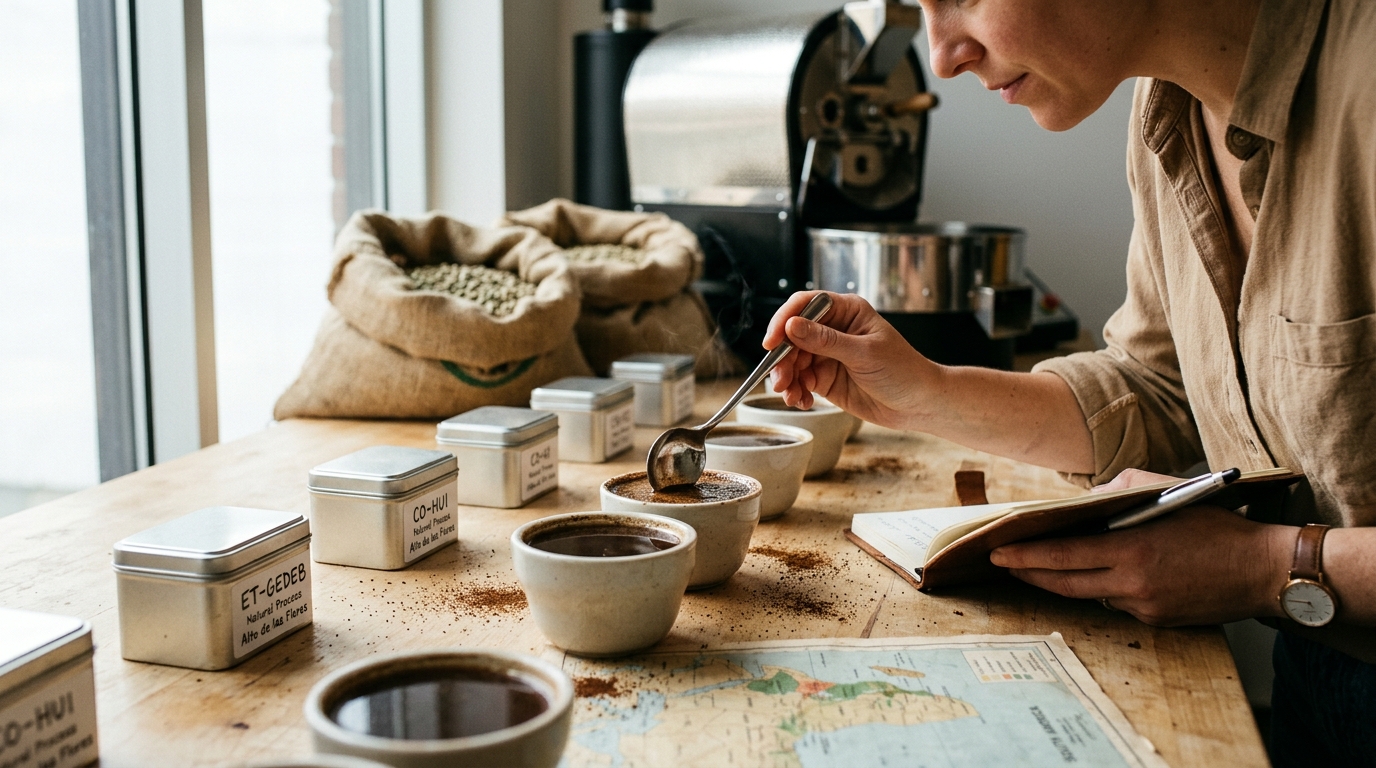
Single-origin coffee is defined as coffee beans harvested from a specific geographic location, such as a single farm, cooperative, or region, rather than a blend of beans from multiple countries. This specificity allows the unique terroir of the land to shine through in every cup. According to the International Coffee Organization, global coffee consumption has grown by approximately 2.5% annually in recent years, with a significant portion of that growth driven by consumers seeking premium, traceable products. Understanding the nuances of single-origin beans is essential for elevating your daily brew from ordinary to extraordinary.
Understanding Terroir and Origin
The concept of terroir is central to appreciating single-origin coffee. Terroir refers to the complete natural environment in which a particular crop is produced, including factors such as soil, altitude, and climate. Just as wine enthusiasts distinguish between grapes grown in different valleys, coffee connoisseurs identify distinct flavor notes based on the bean's origin.
African Origins: Bright and Fruity
Coffee from Africa is renowned for its bright acidity and complex fruit notes. Beans from Ethiopia, often considered the birthplace of coffee, typically exhibit floral aromas and citrus undertones. Similarly, Kenyan coffees are known for their intense acidity and blackcurrant flavors. These characteristics make African single-origins ideal for those who enjoy a vibrant, tea-like cup.
Latin American Origins: Balanced and Nutty
Latin American coffees, particularly those from Colombia and Brazil, offer a more balanced profile. These beans often feature notes of chocolate, nuts, and caramel. The lower acidity compared to African beans makes them a versatile choice for everyday drinking. If you prefer a smoother, more approachable flavor, Latin American single-origins are an excellent starting point.
Asian and Pacific Origins: Earthy and Spicy
Coffees from regions like Sumatra and Papua New Guinea tend to have heavier bodies and lower acidity. They often display earthy, spicy, or herbal notes. These robust flavors appeal to drinkers who prefer a full-bodied cup with less brightness. Exploring these origins can broaden your palate and introduce you to unique flavor profiles not found elsewhere.
Processing Methods and Flavor
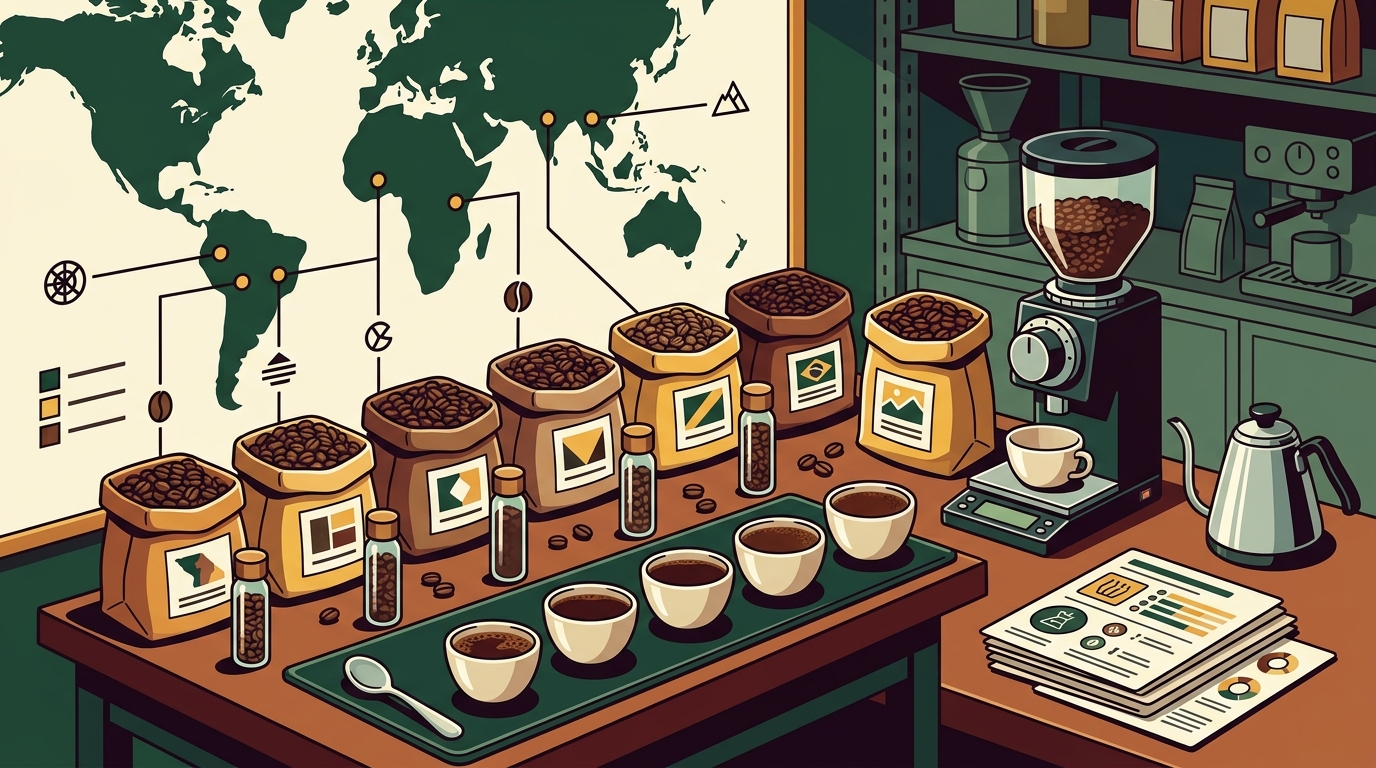
How the coffee cherry is processed after harvest dramatically impacts the final flavor. The two primary methods are washed and natural processing. Understanding these differences is crucial for selecting the right bean for your taste preferences.
Washed Process: Clean and Clear
In the washed process, the fruit is removed from the bean before drying. This method results in a cleaner, brighter cup that highlights the bean's inherent acidity and floral notes. Washed coffees are often preferred for their clarity and consistency. If you enjoy a crisp, well-defined flavor profile, look for washed single-origin beans.
Natural Process: Sweet and Complex
Natural processing involves drying the coffee cherry with the bean inside. This method imparts more sweetness and body to the coffee, often resulting in berry-like or wine-like flavors. Natural processed coffees can be more unpredictable but offer a rich, complex experience. For those who enjoy bold, fruity notes, natural processed beans are a must-try.
Roast Levels and Bean Integrity
Roasting is the final step in preparing green coffee beans for consumption. The level of roast affects the intensity and complexity of the flavors. For single-origin coffees, the goal is often to highlight the unique characteristics of the bean rather than mask them with roast flavors.
Light Roast: Preserving Origin Characteristics
Light roasts are roasted for a shorter time, preserving the bean's original flavors. This roast level is ideal for showcasing the subtle nuances of single-origin beans, such as floral, fruity, or tea-like notes. Light roasts are particularly popular among specialty coffee enthusiasts who value transparency in flavor.
Medium Roast: Balanced Flavor
Medium roasts offer a balance between the bean's origin characteristics and the roast's influence. This level brings out more sweetness and body while still maintaining some acidity. Medium roasts are versatile and suitable for a wide range of brewing methods. They provide a familiar coffee experience with a touch of complexity.
Dark Roast: Bold and Smoky
Dark roasts are roasted longer, resulting in a bold, smoky flavor with less acidity. While dark roasts can mask the subtle nuances of single-origin beans, they are preferred by those who enjoy a strong, intense cup. If you typically drink dark roasts, look for single-origin beans that can stand up to the roast without losing their identity.
Brewing Methods for Single-Origin
The brewing method you choose can significantly impact the taste of your single-origin coffee. Different methods extract flavors differently, so matching the method to the bean's profile is key.
Pour Over: Highlighting Clarity
Pour-over methods, such as the Hario V60 or Chemex, allow for precise control over brewing variables. This method highlights the clarity and acidity of the coffee, making it ideal for light-roasted single-origins. The result is a clean, bright cup that showcases the bean's unique characteristics.
French Press: Enhancing Body
The French press is a full-immersion method that produces a full-bodied cup with more oils and sediment. This method is excellent for medium to dark-roasted single-origins, as it enhances the body and sweetness of the coffee. If you prefer a richer, heavier mouthfeel, the French press is a great choice.
Espresso: Concentrated Intensity
Espresso requires a fine grind and high pressure to extract flavors quickly. Single-origin beans can be used for espresso to create a unique, concentrated shot. Light to medium roasts are often used for espresso to maintain some acidity and complexity. Experimenting with single-origin espresso can reveal new dimensions of flavor in your daily routine.
Comparing Single-Origin Options
To help you navigate the vast world of single-origin coffee, here is a comparison of popular options based on origin, flavor profile, and best brewing method.
| Origin | Flavor Profile | Best Roast Level | Recommended Brewing Method |
|---|---|---|---|
| Ethiopia | Floral, Citrus, Berry | Light | Pour Over |
| Colombia | Chocolate, Nut, Caramel | Medium | Drip or French Press |
| Sumatra | Earthy, Spicy, Herbal | Medium-Dark | French Press |
| Kenya | Acidic, Blackcurrant, Tomato | Light | Pour Over |
Key Takeaways
- Terroir Matters: The geographic origin of the bean dictates its fundamental flavor profile, from fruity African beans to nutty Latin American varieties.
- Processing Impacts Taste: Washed coffees offer clarity and brightness, while natural processed coffees provide sweetness and complexity.
- Roast Level Defines Intensity: Light roasts preserve origin characteristics, while dark roasts emphasize body and smokiness.
- Brewing Method is Key: Match your brewing method to the bean's profile, using pour-over for clarity and French press for body.
- Explore Sample Packs: Trying sample packs is an effective way to discover new origins without committing to a full bag.
- Freshness is Critical: Always choose freshly roasted beans to ensure the best flavor experience.
- Traceability Adds Value: Single-origin coffees often come with detailed information about the farm and harvest, adding to the coffee's story.
Frequently Asked Questions
What is the difference between single-origin and blended coffee?
Single-origin coffee comes from one specific location, allowing you to taste the unique characteristics of that region. Blended coffee combines beans from multiple origins to create a consistent, balanced flavor profile year-round.
Why is single-origin coffee more expensive?
Single-origin coffees are often grown at higher altitudes and harvested with more care, leading to higher production costs. Additionally, the limited supply of specific micro-lots can drive up prices due to demand.
How should I store single-origin coffee?
Store your coffee in an airtight container in a cool, dark place. Avoid refrigeration or freezing, as moisture and temperature fluctuations can degrade the flavor. Use the beans within a few weeks of roasting for the best taste.
Can I use single-origin coffee for espresso?
Yes, single-origin beans can be used for espresso. Light to medium roasts are often preferred for espresso to maintain some acidity and complexity, but dark roasts can also be used for a bold, intense shot.
What does "washed" coffee mean?
Washed coffee refers to beans that have been processed by removing the fruit before drying. This method results in a cleaner, brighter cup with more pronounced acidity and floral notes.
Is single-origin coffee better for pour-over?
Single-origin coffees, particularly light-roasted ones, are excellent for pour-over brewing. The method highlights the clarity and unique flavor notes of the bean, making it a popular choice among specialty coffee enthusiasts.
How do I know if a coffee is freshly roasted?
Look for a roast date on the packaging. Freshly roasted coffee is typically best consumed within two to four weeks of the roast date. Avoid beans that do not have a roast date listed.
Shop Fresh Single-Origin Coffee
Ready to elevate your coffee experience? Explore our curated collection of freshly roasted single-origin beans. From the floral notes of Ethiopia to the earthy depths of Sumatra, we have the perfect bean for your palate. Browse our single-origin selection today and discover the unique flavors of coffee from around the world. Enjoy free shipping on all U.S. orders and taste the difference that freshness makes.