
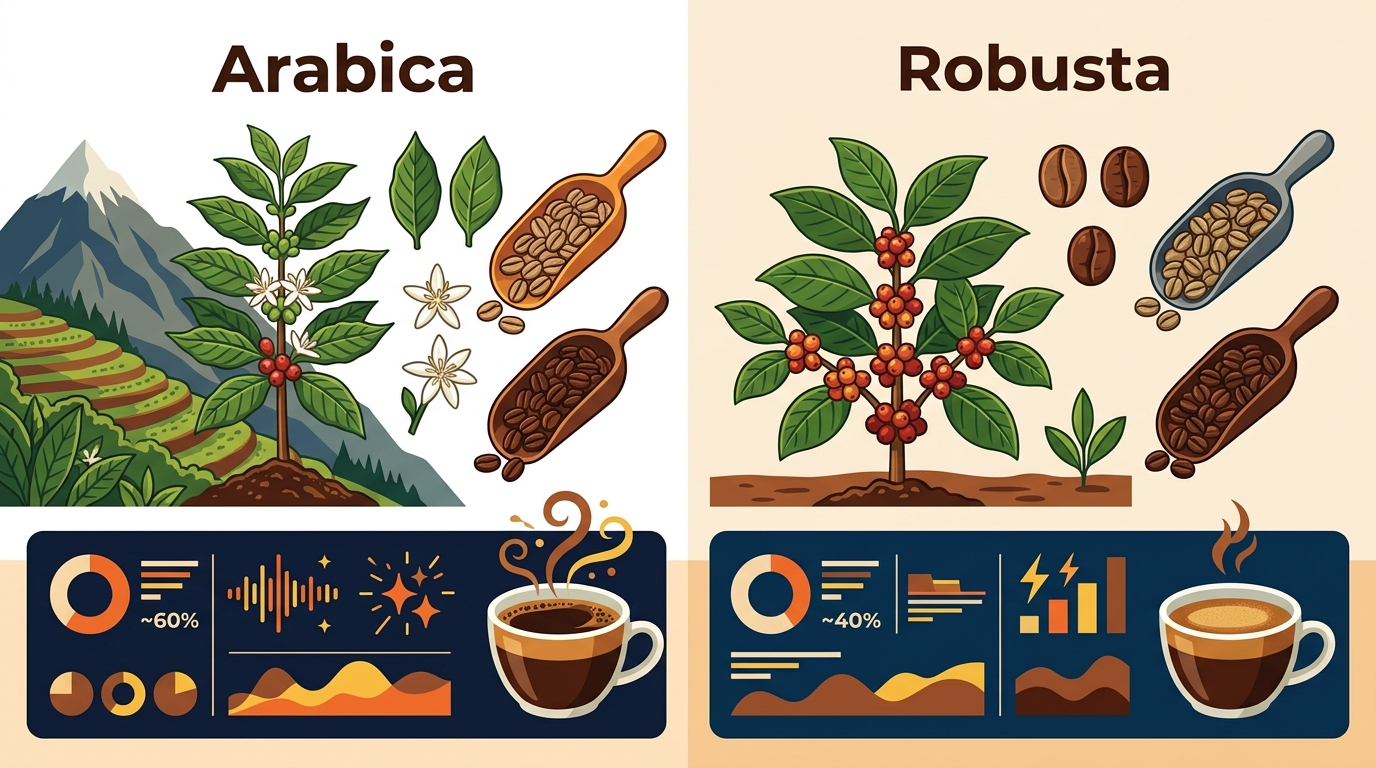
Understanding the fundamental differences between Arabica and Robusta coffee is essential for any serious coffee enthusiast. While both beans come from the Coffea plant, they offer vastly different flavor profiles, caffeine levels, and growing requirements. According to the International Coffee Organization, Arabica accounts for approximately 60% of global coffee production, making it the dominant variety in specialty markets. This statistic highlights the widespread preference for its complex acidity and aromatic depth compared to the harsher, more bitter profile of Robusta.
Flavor Profiles and Acidity
The most immediate difference between these two beans is the taste. Arabica beans are known for their smooth, complex flavor. They often exhibit notes of sugar, fruit, and berries. The acidity in Arabica is bright and wine-like, which adds a lively quality to the cup. This complexity is why most high-end coffee shops and roasters prioritize Arabica for their single-origin offerings.
In contrast, Robusta beans have a much stronger, harsher taste. If you have ever tasted instant coffee, you have likely experienced the distinct profile of Robusta. It lacks the nuanced sweetness of Arabica. Instead, it offers earthy, woody, and rubbery notes. The body of a Robusta coffee is heavier and more full-bodied, which some drinkers prefer for a more intense experience.
When you explore our collection of all coffees, you will notice that the Arabica selections are often described with tasting notes like chocolate, caramel, or citrus. Robusta beans are rarely sold as single-origin because their flavor profile is too aggressive for most palates. They are primarily used to add depth and crema to espresso blends.
Caffeine Content and Bitterness
Caffeine acts as a natural pesticide for the coffee plant. It protects the beans from insects and diseases. Robusta plants contain nearly twice the amount of caffeine as Arabica plants. This higher caffeine content contributes significantly to the bitter taste of Robusta. Bitterness is a primary indicator of caffeine levels in coffee.
Arabica beans have a lower caffeine content, which makes them smoother and less bitter. This lower acidity and caffeine level make Arabica more appealing to the average consumer who prefers a milder morning brew. However, for those seeking a strong energy boost, Robusta provides a more potent kick. The difference in caffeine can be up to 100% higher in Robusta compared to Arabica.
This chemical difference also affects how the beans roast. Robusta beans are more difficult to roast evenly because of their density and sugar content. They tend to roast darker and more uniformly. Arabica beans require more careful roasting to preserve their delicate aromatic compounds. You can find premium blends that utilize Robusta to enhance the crema and caffeine punch of the final cup.
Growing Conditions and Hardiness
The geographical origin of the bean plays a huge role in its quality. Arabica plants are delicate and difficult to cultivate. They require high altitudes, typically between 3,000 and 6,000 feet above sea level. They also need specific climatic conditions, including consistent rainfall and protection from direct sunlight. These strict requirements make Arabica farming more expensive and labor-intensive.
Robusta plants, on the other hand, are hardy and resilient. They can grow at lower altitudes, often near sea level. They are resistant to pests and diseases, largely due to their high caffeine content. This hardiness makes Robusta cheaper to produce and more accessible in the global market. Countries like Vietnam and Brazil are major producers of Robusta because the climate is ideal for its cultivation.
Understanding these growing conditions helps explain the price difference. Arabica is generally more expensive due to the cost of farming at high altitudes. When you browse single origin coffees, you are often paying for the meticulous care required to grow these delicate beans. The scarcity of high-quality Arabica further drives up its value in the specialty market.
Best Brewing Methods for Each
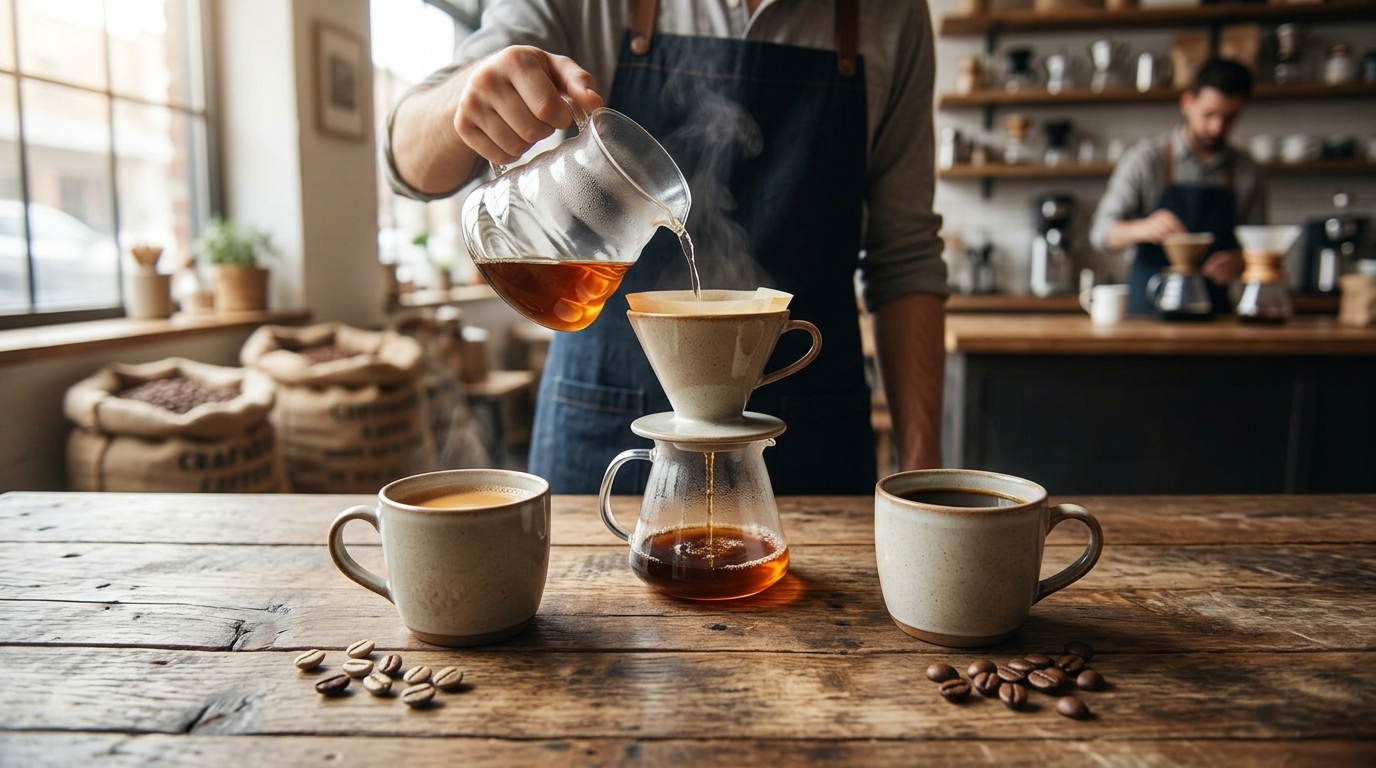
Different beans perform better with different brewing methods. Arabica beans shine in pour-over methods like the V60 or Chemex. These methods highlight the delicate floral and fruity notes that define high-quality Arabica. The clarity of the cup allows the drinker to appreciate the subtle variations in flavor.
Robusta beans are often preferred for espresso. The high caffeine and lipid content help create a thick, persistent crema on top of the espresso shot. This crema is a sign of a fresh and high-quality espresso. Many commercial espresso blends include a percentage of Robusta to ensure a strong, lasting crema and a bold flavor profile.
If you are brewing at home, consider your taste preference. Do you want a bright, acidic cup? Choose a light roast Arabica. Do you want a heavy, bitter kick? Try a dark roast Robusta or a blend. You can also explore flavored coffees which are often based on Arabica beans to ensure the flavorings do not overpower the base taste.
Blends vs. Single Origin
Many coffee drinkers are confused by the term "blend." A coffee blend is a mixture of different beans, often combining Arabica and Robusta. The goal is to create a balanced flavor that neither bean could achieve alone. For example, adding Robusta to an Arabica espresso blend can increase the body and caffeine without losing the aromatic complexity of the Arabica.
Single-origin coffee comes from one specific place, such as a single farm or region. These coffees are almost exclusively Arabica. They allow the drinker to taste the unique characteristics of the soil and climate where the beans were grown. This is known as "terroir." If you want to experience the true flavor of a region, single-origin Arabica is the way to go.
When you shop at our sample packs, you can experiment with both blends and single origins. This is the best way to discover your personal preference. You might find that you love the complexity of a Ethiopian single-origin Arabica, or you might prefer the bold consistency of a Brazilian blend.
Key Takeaways
- Flavor: Arabica is smooth, sweet, and acidic. Robusta is bitter, earthy, and strong.
- Caffeine: Robusta has nearly double the caffeine of Arabica, contributing to its bitterness.
- Growing: Arabica requires high altitudes and is delicate. Robusta grows at low altitudes and is hardy.
- Price: Arabica is generally more expensive due to farming costs and scarcity.
- Usage: Arabica is preferred for specialty coffee. Robusta is used for crema and caffeine boosts in blends.
- Quality: Specialty coffee is almost always 100% Arabica. Robusta is rarely found in high-end single-origin markets.
Frequently Asked Questions
Is Arabica coffee healthier than Robusta?
Arabica coffee is often considered healthier because it has lower acidity and less caffeine. Lower acidity is easier on the stomach for many people. However, both beans contain antioxidants that offer health benefits. The choice depends on your caffeine tolerance.
Why is Robusta coffee cheaper?
Robusta is cheaper because it is easier and cheaper to grow. It is resistant to pests and can grow at lower altitudes. Arabica requires more labor and specific conditions, driving up the cost.
Can I mix Arabica and Robusta beans?
Yes, many espresso blends mix both beans. The Arabica provides flavor and aroma, while the Robusta adds body and crema. This combination creates a balanced and powerful espresso shot.
Which coffee has more antioxidants?
Robusta coffee actually has higher levels of antioxidants, including chlorogenic acid, due to its higher caffeine and density. However, the taste is often less palatable to the average drinker.
What is the best roast for Arabica?
Light to medium roasts are best for Arabica. They preserve the delicate fruity and floral notes. Dark roasts can mask the unique characteristics of high-quality Arabica beans.
Is instant coffee made from Robusta?
Most instant coffee is made from Robusta beans. The strong, bitter flavor stands up well to the processing methods used to create instant coffee. It is also cheaper to produce in this format.
Does Arabica coffee have more sugar?
Arabica beans have nearly twice the amount of lipids and almost double the sugar content compared to Robusta. This higher sugar content contributes to the sweeter, smoother taste of Arabica coffee.
Start Your Coffee Journey Today
Understanding the difference between Arabica and Robusta empowers you to make better choices at the coffee counter. Whether you prefer the bright acidity of a single-origin Arabica or the bold punch of a Robusta blend, there is a perfect cup waiting for you. Explore our full range of freshly roasted coffees and discover your new favorite blend. Enjoy free shipping on all U.S. orders and elevate your daily ritual with Just Coffee.