
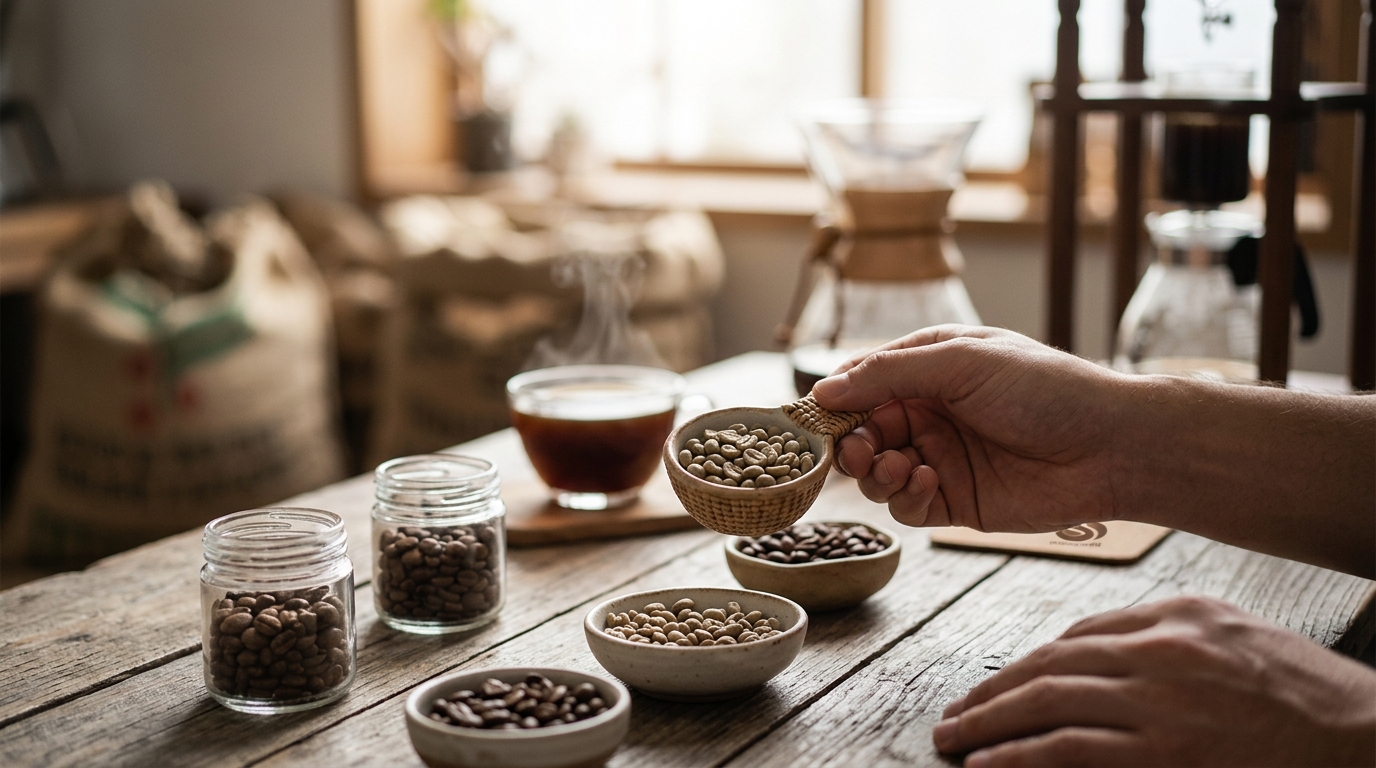
Single-origin coffee refers to beans harvested from a specific geographic location, such as a single farm, cooperative, or region, rather than a blend of beans from multiple sources. This distinction allows the unique terroir of the land to shine through in every cup. According to the International Coffee Organization, global coffee consumption has grown steadily, with a significant portion of modern drinkers seeking out specialty grades that offer distinct flavor notes. Understanding how to navigate this market is essential for anyone looking to elevate their daily brew.
Understanding Single-Origin Coffee
When you buy single-origin coffee, you are buying a snapshot of a specific place and time. The flavor is influenced by altitude, soil composition, rainfall, and the varietal of the coffee plant. This is different from a blend, which is crafted for consistency and balance by mixing beans from different regions to mask seasonal variations.
For enthusiasts, single-origin beans offer a transparent connection to the farmer and the land. At Just Coffee, we prioritize fresh roasting to preserve these delicate nuances. The complexity of a single-origin cup can range from bright, fruity acidity to deep, earthy undertones, depending entirely on where the bean was grown.
Choosing the right bean starts with understanding what you value in a cup. Do you prefer a tea-like clarity or a heavy, chocolatey body? Your preference will guide you toward specific regions. For example, if you enjoy citrus notes, you might lean toward African origins. If you prefer nutty and sweet profiles, South American beans may be your choice.
Key Regions and Flavor Profiles
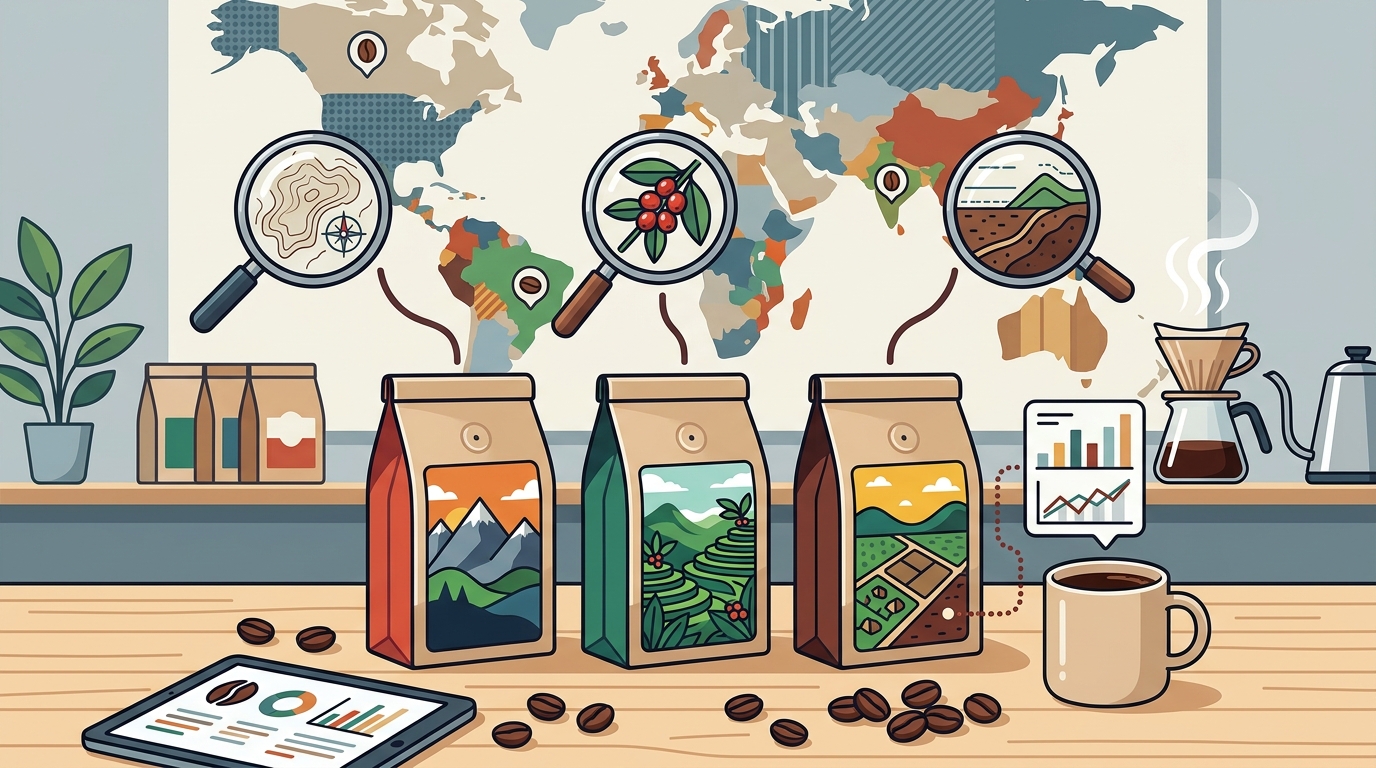
The world of coffee is broadly divided into three major growing regions: Africa, the Americas, and Asia-Pacific. Each region has distinct climatic conditions that impart unique characteristics to the green bean.
African Origins
Africa is the birthplace of coffee, and its beans are renowned for their bright acidity and complex fruit flavors. Ethiopian coffees, in particular, are famous for their floral and berry notes. Kenyan coffees often have a wine-like acidity and a savory depth. According to data from the Specialty Coffee Association, African beans dominate the high-end specialty market due to their distinct and vibrant profiles.
American Origins
Coffees from Central and South America are known for their balance and sweetness. Brazilian beans, the world's largest producer, often feature nutty, chocolate, and low-acidity profiles. Colombian coffees are celebrated for their well-rounded character, with caramel sweetness and a medium body. These beans are excellent for those who want a classic, comforting coffee experience.
Asian-Pacific Origins
Beans from this region, including Indonesia and Papua New Guinea, often have full bodies and earthy, spicy notes. The wet-hulling process common in Indonesia results in a unique flavor profile that is less acidic and more herbal. This makes them ideal for dark roasts and espresso blends.
Processing Methods and Impact
How the coffee cherry is removed from the bean significantly affects the final taste. The three main methods are washed, natural, and honey processed.
Washed Process: This method involves removing the fruit pulp and fermenting the beans in water. It results in a clean, bright cup that highlights the bean's inherent acidity and floral notes. You can find high-quality washed coffees in our Single Origin collection.
Natural Process: Here, the beans are dried inside the cherry. This imparts intense fruit flavors, sweetness, and a heavier body. Natural processed coffees often taste like berries or tropical fruits. They are perfect for those who enjoy a bold, fruity profile.
Honey Process: A middle ground between washed and natural, this method leaves some mucilage on the bean during drying. It offers a balance of sweetness and clarity, with a syrupy mouthfeel. This method is popular in Costa Rica and parts of Central America.
Brewing Variables for Origin
To truly appreciate a single-origin coffee, your brewing method must complement its characteristics. Light roasts, common in African origins, benefit from pour-over methods like V60 or Chemex. These methods allow for precise control over extraction, highlighting the delicate floral and fruity notes.
Medium to dark roasts, often found in Brazilian or Indonesian beans, work well with French press or espresso. These methods extract more body and sweetness, creating a rich, full-bodied cup. Experimenting with grind size and water temperature can also reveal hidden flavors in your beans.
At Just Coffee, we recommend starting with a medium grind for most methods and adjusting based on taste. If your coffee tastes sour, try a finer grind or hotter water. If it tastes bitter, try a coarser grind or cooler water.
Comparison of Major Origins
Understanding the differences between origins helps you make informed choices. The table below summarizes the key characteristics of major single-origin regions.
| Region | Typical Flavor Notes | Acidity | Body | Best For |
|---|---|---|---|---|
| Ethiopia | Berry, Floral, Citrus | High | Light to Medium | Pour-over, Light Roasts |
| Colombia | Caramel, Nut, Chocolate | Medium | Medium | Drip, Espresso |
| Brazil | Nutty, Chocolate, Low Acid | Low | Full | French Press, Espresso |
| Indonesia | Earthy, Spicy, Herbal | Low | Full | Dark Roasts, Espresso |
Key Takeaways
- Single-origin coffee comes from one specific location, offering unique flavor profiles tied to its terroir.
- African beans are known for bright acidity and fruit notes, while American beans offer balance and sweetness.
- Processing methods like washed, natural, and honey significantly impact the final taste and body of the coffee.
- Brewing method should match the roast level and origin to highlight the best characteristics of the bean.
- Exploring Sample Packs is a great way to discover your preferred origin without committing to a full bag.
- Freshness is critical; always check roast dates and store beans in a cool, dark place.
- Just Coffee offers free shipping on all U.S. orders, making it easy to try new origins.
Frequently Asked Questions
What is the difference between single-origin and blended coffee?
Single-origin coffee comes from one specific farm or region, showcasing unique flavors. Blended coffee mixes beans from multiple regions to create a consistent, balanced taste profile.
How does altitude affect coffee flavor?
Higher altitude coffees generally grow slower, resulting in denser beans with more complex acidity and brighter flavors. Lower altitude beans tend to have a milder taste and heavier body.
Is single-origin coffee more expensive?
Single-origin coffees can be more expensive due to the specific farming practices and limited supply. However, the unique flavor experience often justifies the cost for enthusiasts.
What is the best brewing method for single-origin?
Pour-over methods like V60 or Chemex are excellent for light roast single-origins to highlight clarity. French press or espresso works well for darker roasts to extract body and sweetness.
How should I store single-origin coffee?
Store coffee in an airtight container away from light, heat, and moisture. For best flavor, consume within two to four weeks of the roast date.
Can I drink single-origin coffee as espresso?
Yes, many single-origin beans are excellent for espresso. Darker roasts from Brazil or Indonesia often work well, but light roasts can also create a unique, fruity espresso shot.
What does "washed" coffee mean?
Washed coffee is processed by removing the fruit pulp and fermenting the beans in water. This method results in a cleaner, brighter cup with distinct acidity.
Shop Single-Origin Coffee
Ready to explore the world of single-origin coffee? Visit Just Coffee to browse our extensive collection of freshly roasted beans. From Ethiopian Yirgacheffe to Colombian Supremo, we have something for every palate. Enjoy free shipping on all U.S. orders and start your journey to the perfect cup today.