
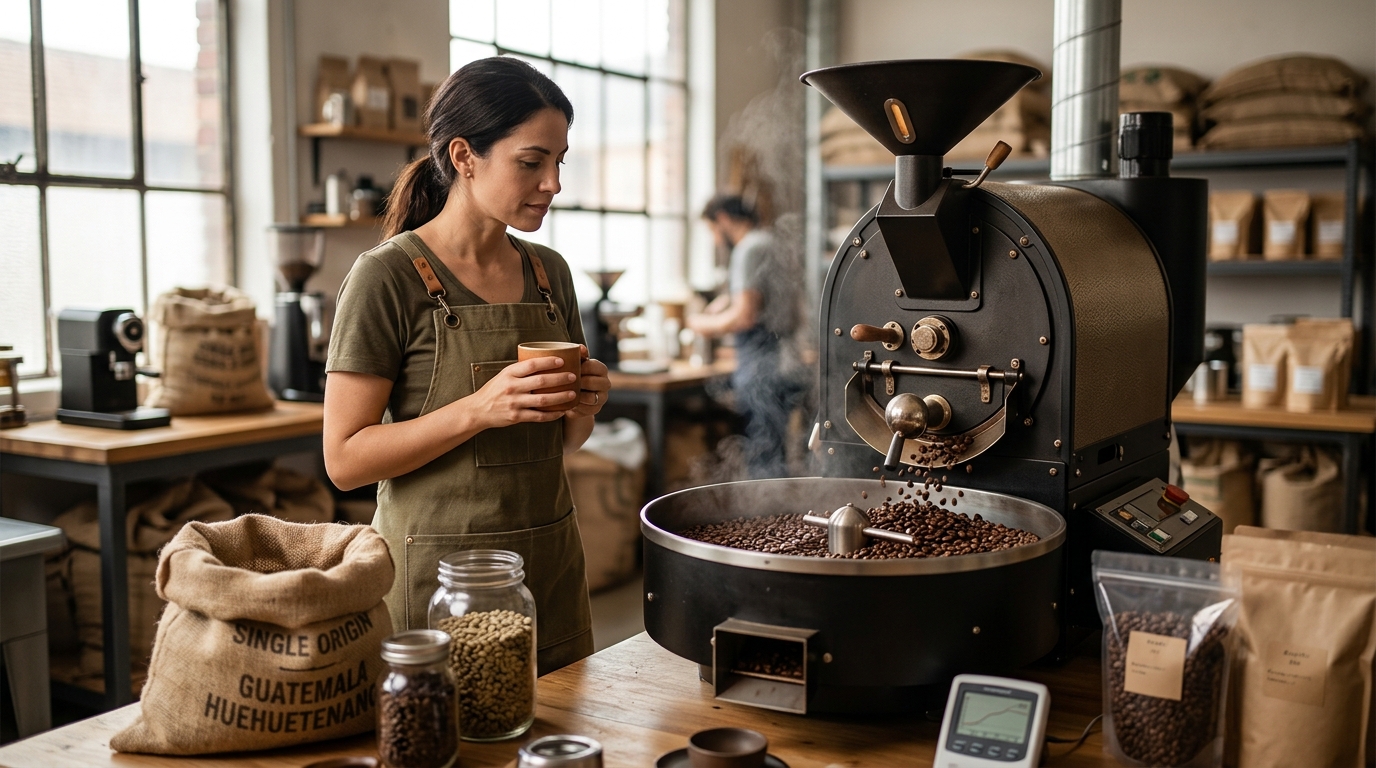
Most coffee drinkers assume that freshness is just a marketing buzzword. The reality is far more scientific. According to data from the Specialty Coffee Association, the window for peak flavor extraction is incredibly narrow, often closing within weeks of the roast date. When beans are roasted, they undergo massive chemical changes that continue to evolve long after they leave the roaster. Understanding this timeline is the key to unlocking the full potential of your daily brew. (Products ndash Just Coffee)
The Degassing Process Explained
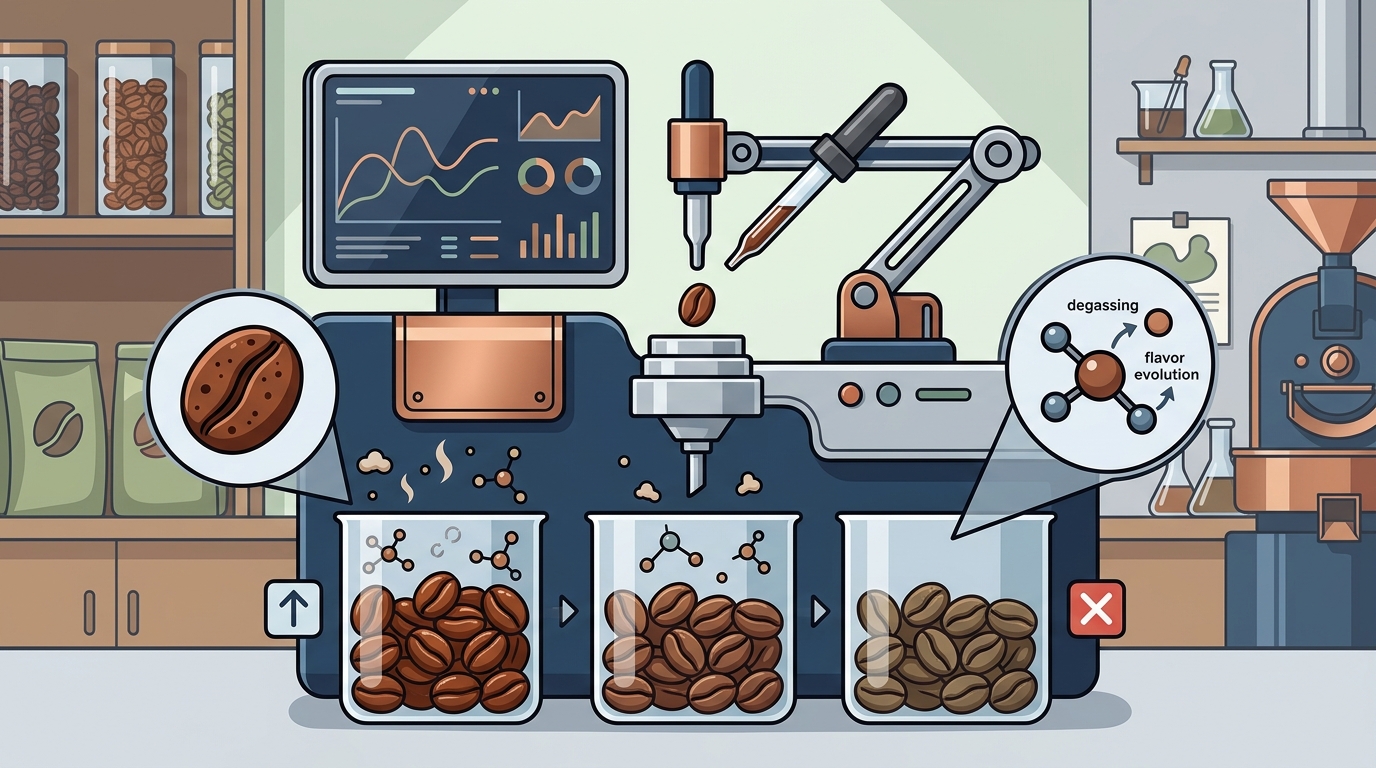
Carbon dioxide (CO2) is a natural byproduct of the roasting process. During roasting, the heat breaks down complex carbohydrates and sugars, releasing vast amounts of gas trapped within the bean structure. This phenomenon is known as degassing. CO2 is essential for proper extraction during brewing. It creates pressure in the coffee bed, allowing water to penetrate the grounds evenly and extract flavors efficiently. (Blends ndash Just Coffee)
However, too much CO2 too soon can be detrimental. If you brew coffee immediately after roasting, the excess gas can block water from contacting the coffee grounds properly. This leads to uneven extraction and a sour, underdeveloped taste. Conversely, if the beans age too long, the CO2 dissipates completely. Without this gas, the water flows through too quickly, resulting in a flat, watery cup that lacks body and complexity. (Flavored ndash Just Coffee)
Just Coffee manages this delicate balance by carefully timing the delivery of freshly roasted coffee to ensure it arrives at your door during the optimal degassing window. This ensures that when you open the bag, the coffee is ready to perform at its peak.
How Oxidation Dulls Flavor
Oxidation is the primary enemy of coffee freshness. When coffee beans are exposed to oxygen, the oils and aromatic compounds within them begin to break down. This chemical reaction is similar to how an apple turns brown after being sliced. The process is slow but relentless. Over time, the vibrant acidity and distinct flavor notes that define high-quality coffee are replaced by stale, cardboard-like flavors.
Research indicates that the rate of staling accelerates significantly once the beans are ground. Grinding increases the surface area exposed to oxygen, speeding up the degradation process. This is why whole bean coffee retains its freshness much longer than pre-ground options. By purchasing whole beans and grinding them just before brewing, you preserve the integrity of the flavor compounds for as long as possible.
The difference between a bag of coffee roasted six months ago and one roasted last week is not subtle. The older coffee will lack the bright, crisp notes that characterize its origin. Instead, it will taste muted and one-dimensional. Freshly roasted coffee offers a spectrum of flavors that simply cannot be replicated by aged beans.
The Role of Volatile Compounds
A significant portion of what we perceive as "taste" is actually smell. Coffee contains over 800 volatile aromatic compounds. These compounds are responsible for the fruity, floral, nutty, and chocolatey notes found in specialty coffee. When coffee is freshly roasted, these volatiles are abundant and potent.
As time passes, these volatile compounds evaporate or oxidize. The result is a coffee that may still taste like coffee, but it lacks the nuanced character that makes it special. The aroma is the first thing you notice when you open a bag of fresh coffee. It is a direct indicator of the quality and freshness of the beans inside.
Just Coffee focuses on single-origin and carefully crafted blends to maximize these aromatic profiles. By sourcing beans from specific regions and roasting them in small batches, they ensure that the unique volatile compounds of each origin are preserved and delivered to the consumer.
Common Storage Mistakes
Even the freshest coffee can lose its quality if stored incorrectly. The three main factors that degrade coffee are light, heat, and moisture. Storing coffee in a clear jar on a sunny counter exposes it to UV light, which rapidly breaks down the chemical structure of the beans. Similarly, storing coffee near a stove or oven exposes it to heat fluctuations that accelerate staling.
Moisture is another critical factor. Coffee beans are hygroscopic, meaning they absorb moisture from the air. This can lead to mold growth and a complete loss of flavor. Many people mistakenly store coffee in the refrigerator or freezer. While freezing can be effective for long-term storage, it is risky for daily use due to the condensation that occurs when the beans are removed and warmed.
The best practice is to store coffee in an opaque, airtight container at room temperature. This minimizes exposure to light and air while maintaining a stable environment. For those who buy in bulk, consider dividing the coffee into smaller portions to reduce the frequency of opening the main container.
Fresh vs. Old Coffee Comparison
Understanding the tangible differences between fresh and old coffee helps justify the premium for freshly roasted beans. The table below outlines the key distinctions in flavor, aroma, and body.
| Characteristic | Freshly Roasted Coffee | Aged Coffee (3+ Months) |
|---|---|---|
| Acidity | Bright, crisp, and vibrant | Muted, flat, or sour |
| Aroma | Complex and inviting | Faint or stale |
| Body | Full and rich | Thin and watery |
| Flavor Notes | Distinct origin characteristics | Generic or cardboard-like |
| Crema (Espresso) | Thick and persistent | Thin and dissipates quickly |
As shown in the comparison, the difference is not just a matter of preference. It is a matter of chemical reality. Fresh coffee offers a sensory experience that aged coffee simply cannot match. This is why investing in freshly roasted coffee is essential for any serious coffee enthusiast.
Key Takeaways
- CO2 is Critical: Carbon dioxide aids in extraction but must be managed through proper degassing time.
- Oxidation is Inevitable: Exposure to oxygen begins the staling process immediately after roasting.
- Grind Just Before Brewing: Grinding increases surface area, accelerating the loss of volatile compounds.
- Storage Matters: Keep coffee in an airtight, opaque container away from heat and light.
- Freshness Window: Peak flavor is typically achieved between 7 and 21 days after roasting.
- Whole Bean Advantage: Whole beans retain freshness significantly longer than pre-ground coffee.
- Quality Source: Sourcing from roasters like Just Coffee ensures proper handling and timely delivery.
Frequently Asked Questions
How long does freshly roasted coffee stay fresh?
Coffee is generally considered to be at its peak freshness between 7 and 21 days after the roast date. After this window, the flavor begins to decline steadily due to oxidation and the loss of volatile aromatics.
Why does old coffee taste sour?
Old coffee often tastes sour because the CO2 has dissipated, leading to uneven extraction. Additionally, the breakdown of certain compounds can create acidic byproducts that were not present in the fresh bean.
Can I freeze freshly roasted coffee?
Freezing is possible but risky. If you choose to freeze coffee, ensure it is in an airtight container and thaw it completely before opening to prevent condensation. However, for daily use, room temperature storage is recommended.
What is the best way to store coffee at home?
The best method is to store whole bean coffee in an opaque, airtight container at room temperature. Avoid clear jars, refrigerators, and areas near heat sources like ovens.
Does the roast date matter for all types of coffee?
Yes, the roast date is critical for all types of coffee, especially specialty and single-origin beans. These coffees are prized for their unique flavor profiles, which degrade quickly if the beans are not fresh.
How does Just Coffee ensure freshness?
Just Coffee roasts beans in small batches and offers free shipping on all U.S. orders to ensure that the coffee reaches customers as quickly as possible after roasting. This minimizes the time beans spend in transit and storage.
Is pre-ground coffee ever fresh?
Pre-ground coffee has a very short shelf life because of its increased surface area. It is nearly impossible to find pre-ground coffee that is truly "fresh" unless it was ground moments before packaging, which is rare.
Start Your Fresh Coffee Journey
Stop settling for stale, mass-produced coffee. Experience the difference that true freshness makes in your daily cup. Just Coffee offers a wide selection of freshly roasted blends, single origins, and sample packs delivered directly to your door. Explore our full collection of fresh coffee and discover why freshness is the most important ingredient in your brew. Try our sample packs to find your new favorite roast today.