
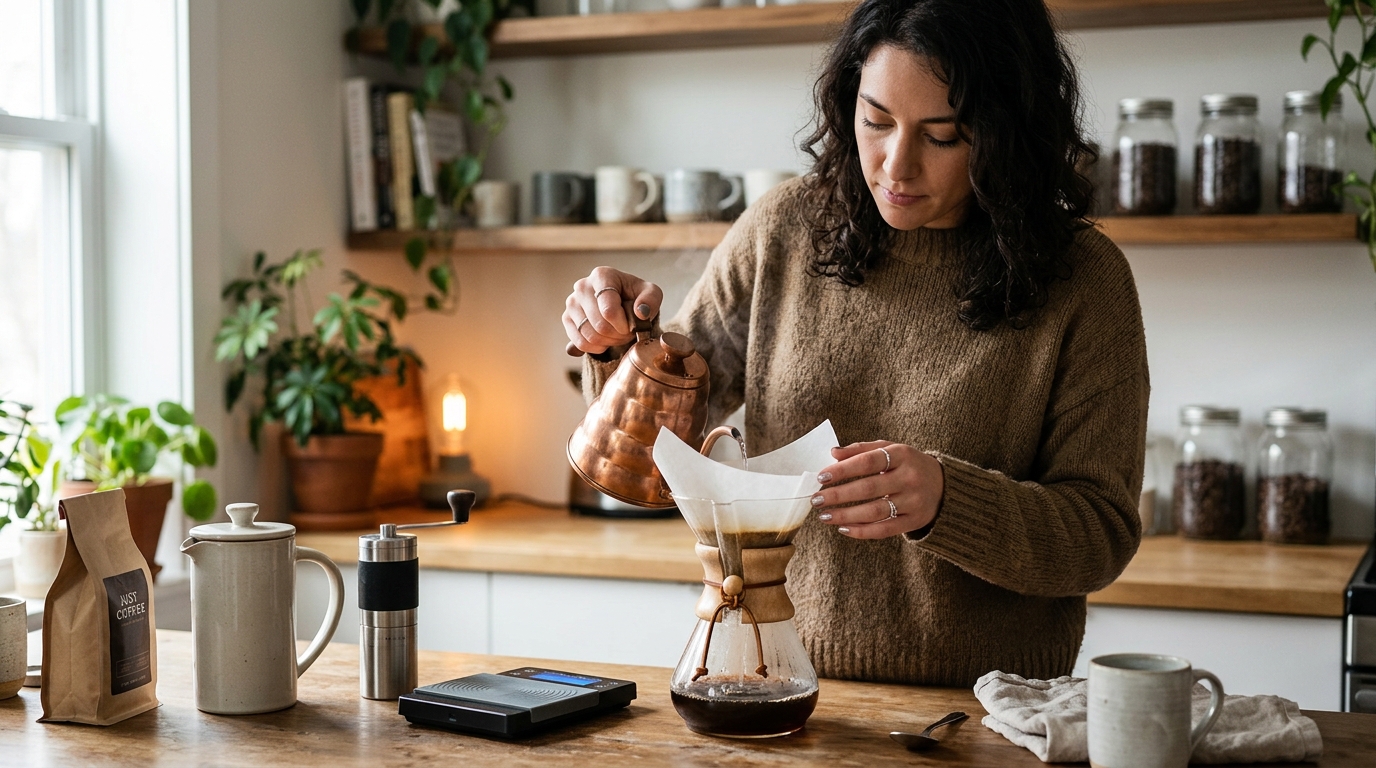
Coffee consumption has evolved from a simple morning habit into a sophisticated ritual for millions of households. According to the National Coffee Association, approximately 64% of Americans drink coffee daily, with a significant portion preferring the quality and control of home brewing over commercial cafes. This shift highlights a growing demand for precision and consistency in every cup. Understanding the mechanics behind different brewing methods allows you to extract the full potential of your beans, whether you are using a single-origin Ethiopian roast or a rich, dark blend from Just Coffee. This guide explores the most effective techniques for home use, helping you elevate your daily routine.
Understanding Brewing Mechanics
Before selecting equipment, it is essential to grasp the fundamental principles that govern coffee extraction. The quality of your brew depends on the interaction between water, heat, time, and grind size. Extraction is the process of dissolving soluble compounds from coffee grounds into water. When this process is balanced, the result is a cup with clarity, sweetness, and appropriate acidity. Under-extraction leads to sour, weak flavors, while over-extraction results in bitter, astringent notes.
Water temperature plays a critical role in this equation. The Specialty Coffee Association recommends brewing between 195 and 205 degrees Fahrenheit. Water that is too cool fails to extract enough flavor, while boiling water can scorch the grounds, releasing harsh tannins. Additionally, the grind size must match the brewing method. Fine grinds are necessary for espresso, while coarse grinds are ideal for French press. Using the wrong grind size can lead to clogged filters or uneven extraction.
Another critical factor is the coffee-to-water ratio. A standard starting point is a 1:16 ratio, meaning one gram of coffee for every 16 grams of water. This ratio can be adjusted based on personal preference and the specific characteristics of the beans. For example, lighter roasts often benefit from a slightly higher coffee concentration to highlight their complex floral notes. Conversely, darker roasts may require a bit more water to mellow their bold intensity.
The Pour-Over Method
Pour-over brewing is a manual method that offers exceptional control over the brewing process. It involves pouring hot water over coffee grounds held in a filter, allowing gravity to pull the liquid through the grounds and into a carafe or mug below. This method is prized for its ability to produce a clean, bright cup that highlights the nuanced flavors of single-origin beans.
Equipment and Technique
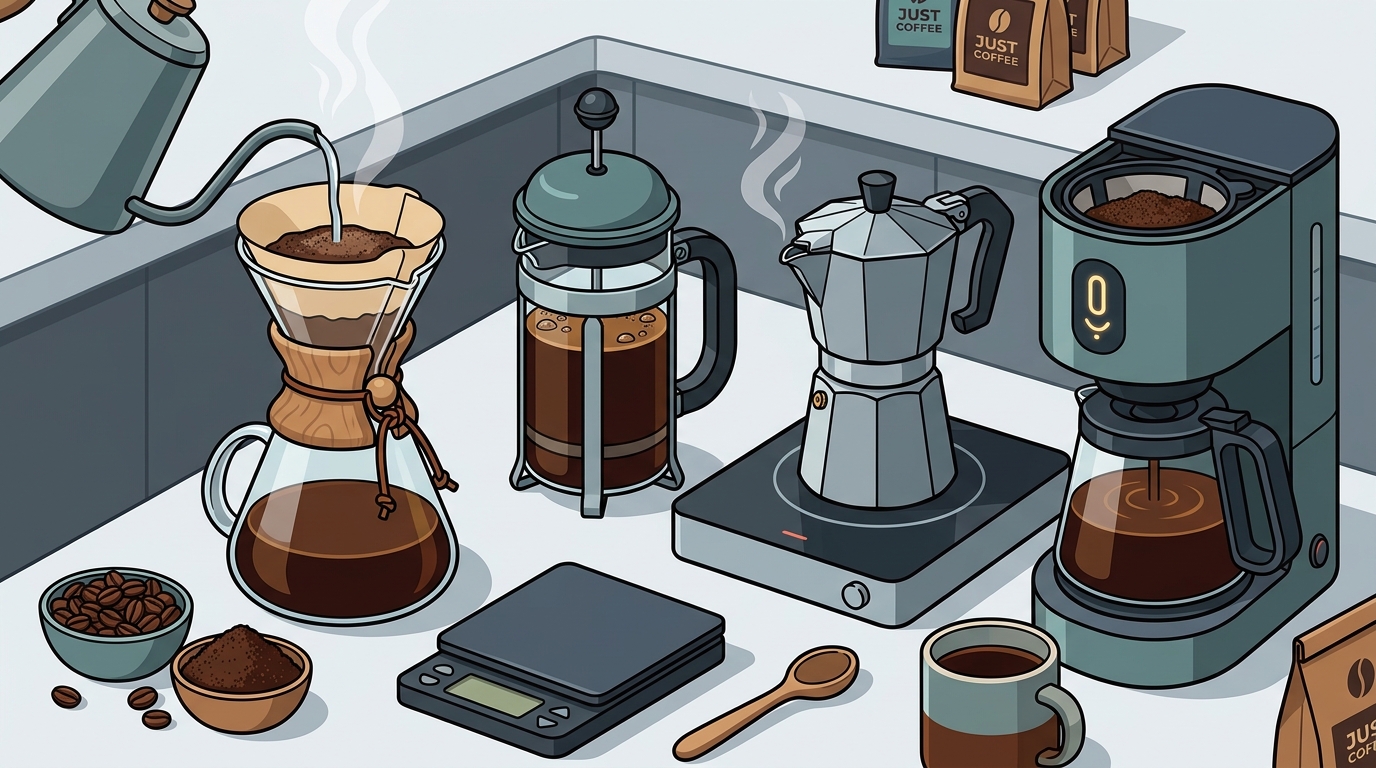
The most popular pour-over devices include the Hario V60, Chemex, and Kalita Wave. Each has a unique shape and filter requirement that affects flow rate and extraction. The Hario V60, with its spiral ridges, promotes faster flow and a more intense flavor profile. The Chemex, with its thicker filters, produces a cleaner, smoother cup by removing more oils and sediment.
To brew using the pour-over method, start by rinsing the paper filter with hot water to remove any paper taste and preheat the vessel. Add your ground coffee and create a small well in the center. Begin by pouring a small amount of water to saturate the grounds, a step known as the "bloom." This allows carbon dioxide to escape, which improves extraction. After 30 seconds, continue pouring in slow, concentric circles until you reach the desired water volume.
Best Beans for Pour-Over
Pour-over brewing shines with light to medium roast coffees. These roasts preserve the delicate fruity and floral notes that are often lost in darker roasts. Single-origin coffees from regions like Ethiopia, Kenya, or Colombia are excellent choices. You can explore a variety of these profiles by visiting the Single Origin collection at Just Coffee. The clarity of the brew allows you to taste the distinct terroir of each region.
The French Press Guide
The French press, also known as a press pot or plunger pot, is one of the oldest and most reliable brewing methods. It involves steeping coarse coffee grounds in hot water for several minutes before pressing a metal mesh filter to separate the grounds from the liquid. This method is favored for its simplicity and the rich, full-bodied texture it produces.
Why Choose French Press?
Unlike paper-filtered methods, the French press allows natural oils and fine particles to remain in the cup. These oils contribute to a heavier mouthfeel and a more robust flavor. This makes it an ideal choice for those who enjoy a bold, intense coffee experience. The method is also forgiving, making it suitable for beginners who want a consistent result without complex techniques.
Brewing Tips for French Press
Use a coarse grind setting to prevent sediment from passing through the mesh filter. Steep the coffee for four minutes, then press the plunger down slowly and steadily. Avoid pressing too quickly, as this can agitate the grounds and release bitter compounds. After pressing, serve the coffee immediately to prevent over-extraction from the remaining grounds. For a smoother cup, consider decanting the coffee into a separate vessel rather than leaving it in the press.
French press works well with medium to dark roasts. These roasts complement the heavy body of the brew with chocolate, nutty, and caramel notes. You can find excellent options in the Blends category, which are specifically crafted to deliver balanced and satisfying flavors.
Espresso and Pressure Brewing
Espresso is a concentrated coffee brewed by forcing hot water through finely ground coffee at high pressure. This method produces a small, intense shot topped with a layer of crema, a golden-brown foam that indicates freshness and proper extraction. Espresso serves as the base for many popular coffee drinks, including lattes, cappuccinos, and macchiatos.
Home Espresso Machines
While traditional espresso machines can be expensive and complex, there are now many user-friendly options for home use. Semi-automatic machines allow you to control the grind, dose, and extraction time, offering a balance of convenience and customization. Pod machines offer ultimate convenience but may sacrifice flavor quality. For the best balance of quality and ease, consider a manual lever machine or a high-quality semi-automatic model.
Grind Size and Tamping
Consistency in grind size is crucial for espresso. An uneven grind can lead to channeling, where water finds paths of least resistance, resulting in uneven extraction. A good burr grinder is essential for achieving the fine, uniform grind required for espresso. Tamping, or compressing the grounds in the portafilter, must be even and firm to create a flat, compact puck. Inconsistent tamping can lead to poor extraction and bitter flavors.
Espresso pairs well with dark roasts, which provide the bold, chocolatey flavors that stand up to milk and sugar. However, medium roasts can also produce excellent espresso with brighter acidity and complex fruit notes. Explore the All Coffees collection to find beans that suit your espresso preferences.
Cold Brew and Iced Coffee
Cold brew coffee has gained immense popularity due to its smooth, low-acidity profile. It is made by steeping coarse coffee grounds in cold or room-temperature water for 12 to 24 hours. This long extraction time dissolves fewer acidic compounds, resulting in a naturally sweet and mellow beverage.
Cold Brew vs. Iced Coffee
It is important to distinguish between cold brew and iced coffee. Iced coffee is typically hot-brewed coffee that is cooled down and served over ice. This method can result in a diluted or bitter taste if not brewed correctly. Cold brew, on the other hand, is brewed cold from start to finish, producing a concentrated syrup that can be diluted with water or milk.
Brewing Cold Brew at Home
To make cold brew, combine coarse ground coffee with cold water in a jar or specialized cold brew maker. Use a ratio of 1:8 for a concentrate or 1:15 for a ready-to-drink brew. Stir gently to ensure all grounds are saturated, then cover and refrigerate for 12 to 24 hours. Strain the mixture through a fine-mesh sieve or cheesecloth to remove the grounds. Store the concentrate in the refrigerator for up to two weeks.
Cold brew is versatile and can be enjoyed black, with milk, or as a base for iced lattes. It pairs particularly well with medium roasts that have fruity or nutty notes. For a convenient option, consider trying the Sample Packs to discover which beans work best for your cold brew preferences.
Brewing Method Comparison
Choosing the right brewing method depends on your taste preferences, time constraints, and budget. The following table summarizes the key characteristics of each method to help you make an informed decision.
| Brewing Method | Grind Size | Brew Time | Flavor Profile | Best For |
|---|---|---|---|---|
| Pour-Over | Medium-Fine | 2-4 minutes | Clean, Bright, Complex | Single-origin beans |
| French Press | Coarse | 4 minutes | Full-bodied, Rich, Bold | Dark roasts and blends |
| Espresso | Fine | 25-30 seconds | Intense, Concentrated, Crema | Espresso-based drinks |
| Cold Brew | Coarse | 12-24 hours | Smooth, Low-acid, Sweet | Iced coffee lovers |
Key Takeaways
- Extraction Balance: Proper extraction is key to avoiding sour or bitter flavors. Aim for a 1:16 coffee-to-water ratio as a starting point.
- Water Temperature: Use water between 195 and 205 degrees Fahrenheit for optimal extraction of soluble compounds.
- Grind Consistency: Match your grind size to your brewing method. Fine for espresso, coarse for French press and cold brew.
- Pour-Over Clarity: Pour-over methods highlight the nuanced flavors of single-origin beans, making them ideal for light roasts.
- French Press Body: The French press retains natural oils, creating a full-bodied cup perfect for dark roasts and blends.
- Cold Brew Smoothness: Cold brew's long steeping time reduces acidity, resulting in a smooth, sweet concentrate.
- Bean Freshness: Freshly roasted coffee, like that from Just Coffee, ensures the best flavor and aroma in your brew.
Frequently Asked Questions
What is the best coffee grind size for pour-over?
The best grind size for pour-over is medium-fine, similar to table salt. This size allows for proper extraction without clogging the filter or flowing too quickly.
How long should I steep coffee in a French press?
You should steep coffee in a French press for approximately four minutes. This time allows for full extraction of flavors while preventing over-extraction that leads to bitterness.
Can I use pre-ground coffee for espresso?
While you can use pre-ground coffee, it is not recommended for espresso. Espresso requires a very fine and consistent grind that pre-ground coffee cannot provide. Freshly grinding your beans just before brewing is essential for quality.
What is the difference between cold brew and iced coffee?
Cold brew is steeped in cold water for 12-24 hours, resulting in a smooth, low-acid concentrate. Iced coffee is hot-brewed coffee that is cooled and served over ice, which can lead to dilution and bitterness.
How do I store freshly roasted coffee?
Store coffee in an airtight container in a cool, dark place. Avoid refrigeration or freezing, as moisture and temperature fluctuations can degrade the flavor. Use the coffee within two to four weeks of roasting for peak freshness.
What is the ideal coffee-to-water ratio for cold brew?
A common ratio for cold brew concentrate is 1:8, meaning one part coffee to eight parts water. For a ready-to-drink cold brew, use a 1:15 ratio. Adjust based on your strength preference.
Why is my pour-over coffee tasting bitter?
Bitterness in pour-over coffee is often caused by over-extraction. This can happen if the grind is too fine, the water is too hot, or the brew time is too long. Try using a coarser grind or lowering the water temperature.
Elevate Your Home Brewing Experience
Mastering the art of home brewing starts with high-quality ingredients. Whether you prefer the clarity of a pour-over, the richness of a French press, or the intensity of espresso, the right beans make all the difference. Just Coffee offers freshly roasted coffee delivered directly to your door, ensuring you have the best possible foundation for your brew. Explore our wide selection of coffees and find the perfect match for your preferred brewing method. Start your journey to the perfect cup today.