
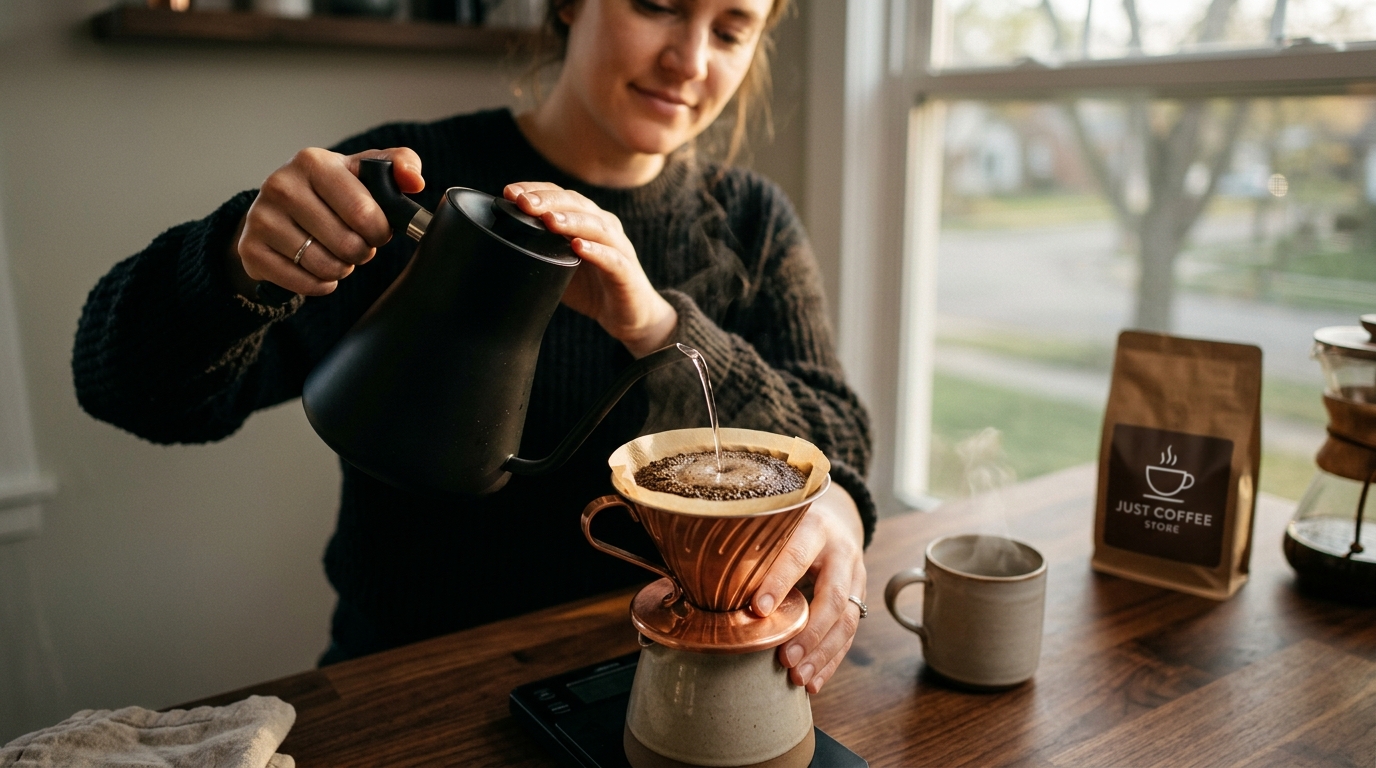
Home baristas now prioritize precision over convenience, fundamentally shifting how households approach their daily caffeine routine. According to the National Coffee Association, nearly sixty percent of American adults drink coffee every single day, driving a massive demand for reliable preparation techniques. This surge in household consumption has pushed enthusiasts toward controlled variables like grind size, water temperature, and contact time. Mastering these variables ensures you extract maximum flavor without introducing unwanted bitterness or sourness. Selecting the right equipment remains the first critical step toward achieving consistent results.
Understanding Extraction Fundamentals
Extraction is the process of dissolving soluble compounds from ground coffee into hot water. This chemical reaction determines whether your cup tastes bright and fruity or heavy and earthy. Water temperature plays a massive role in this process. Ideal brewing temperatures typically range between two hundred and two hundred five degrees Fahrenheit. Water that is too hot will overextract bitter compounds, while lukewarm water leaves the brew underdeveloped. Grind consistency matters just as much as temperature. Uneven particles create channeling, which allows water to bypass dense grounds entirely. You can explore our curated selection of premium roasts to match your preferred extraction style. The Specialty Coffee Association publishes rigorous brewing standards that define optimal extraction ratios for commercial and home environments alike.
The Pour Over Technique
Pour over brewing requires patience and a steady hand. This method forces water through a paper filter, which traps oils and fine sediment. The result is a remarkably clean cup that highlights delicate floral and citrus notes. You will need a gooseneck kettle to control flow rate precisely. Start by rinsing the filter to remove paper taste and preheat your vessel. Add your ground coffee and pour a small amount of water to initiate the bloom. Bloom is the initial release of carbon dioxide when hot water first contacts fresh grounds. Wait thirty seconds before continuing your pour in slow, concentric circles. This technique works exceptionally well with single origin beans that showcase distinct regional terroir. Adjust your pouring speed to maintain a consistent water level throughout the brew cycle.
Mastering the French Press
The French press utilizes full immersion brewing to create a heavy, textured cup. Metal mesh filters allow natural oils and fine particles to pass into your final beverage. This approach delivers a richer mouthfeel compared to paper-filtered alternatives. You should use a coarse grind to prevent sediment from overwhelming your palate. Pour hot water evenly over the grounds and stir gently to saturate everything. Let the mixture steep for exactly four minutes before pressing the plunger down. Pressing too quickly forces bitter compounds into the cup. If you prefer a robust profile, check out our signature blends designed specifically for immersion brewing. The extended contact time allows complex sugars to dissolve fully, creating a syrupy texture that pairs beautifully with milk.
Cold Brew and Concentrate Methods
Cold brew relies on extended contact time rather than heat to extract flavor. This process typically requires twelve to twenty-four hours of steeping at room temperature or in a refrigerator. The extended duration naturally neutralizes acidic compounds, creating a smooth, low-acid beverage. You will need a large vessel and a coarse grind to prevent overextraction. Combine coffee and water in a one-to-eight ratio for a standard concentrate. Strain the mixture through a fine mesh filter or cheesecloth to remove all solids. Many households appreciate the convenience of this method because it scales effortlessly. You can sample various profiles by ordering our tasting sample packs before committing to a full bag. Research published in the Journal of Agricultural and Food Chemistry confirms that cold extraction significantly reduces chlorogenic acid degradation compared to hot water methods.
Espresso and Moka Pot Systems
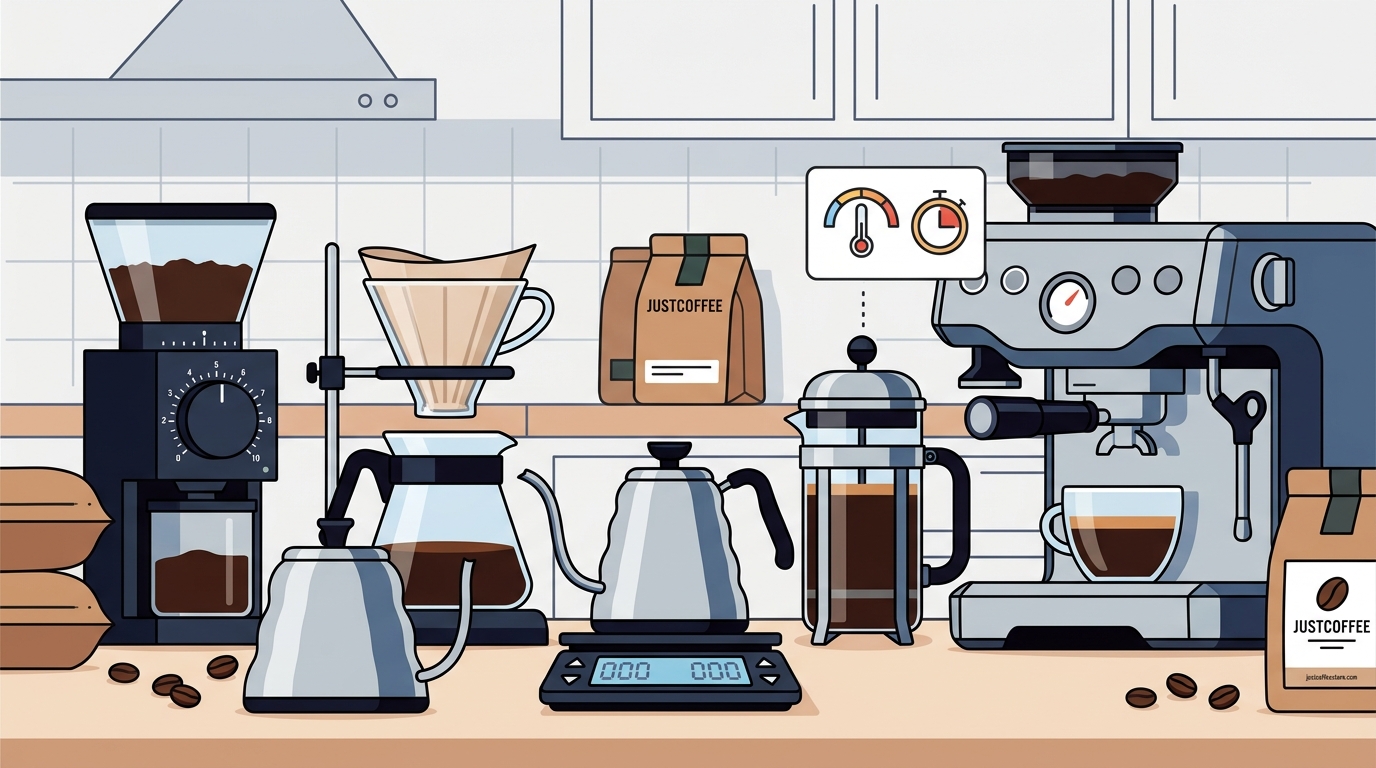
Espresso demands extreme pressure and precise timing to produce a concentrated shot. Tamping is the technique of compressing ground coffee evenly into a portafilter basket. This compression creates resistance, forcing hot water through the puck at nine bars of pressure. The result is a thick liquid topped with a golden crema layer. Home users without commercial machines can achieve similar results using a stovetop moka pot. This device uses steam pressure to push water through finely ground coffee. You must monitor the heat carefully to avoid scorching the grounds. Adjust your grind size until you achieve a steady, honey-like flow. Regular cleaning of your group head or moka pot gasket prevents stale oil buildup that ruins flavor integrity.
Selecting Beans for Your Method
Your brewing equipment dictates which coffee profiles will shine brightest. Light roasts generally pair best with pour over and drip systems because they preserve delicate acidity. Medium roasts offer a balanced profile that adapts well to French press and cold brew techniques. Dark roasts deliver bold, chocolatey notes that stand up perfectly to milk-based drinks and espresso machines. Always store your beans in an airtight container away from direct sunlight. Oxygen and moisture degrade quality rapidly after roasting. You can reach our support team directly via our contact page for personalized recommendations. The USDA dietary guidelines recommend moderate caffeine consumption, making it essential to choose beans that align with your tolerance and schedule.
Method Comparison Overview
| Brewing Method | Grind Size | Steep Time | Flavor Profile | Best For |
|---|---|---|---|---|
| Pour Over | Medium-Fine | 3-4 Minutes | Clean, Bright, Complex | Single Origin |
| French Press | Coarse | 4 Minutes | Full Body, Rich Oils | Medium Roasts |
| Cold Brew | Extra Coarse | 12-24 Hours | Smooth, Low Acid | Concentrates |
| Espresso | Extra Fine | 25-30 Seconds | Intense, Creamy | Dark Roasts |
| Moka Pot | Medium-Fine | 4-5 Minutes | Strong, Robust | Blends |
Key Takeaways
- Water temperature between two hundred and two hundred five degrees Fahrenheit optimizes extraction.
- Pour over brewing requires a gooseneck kettle for precise flow control.
- French press metal filters preserve natural oils for a heavier mouthfeel.
- Cold brew steeping times range from twelve to twenty-four hours for concentrate.
- Espresso extraction relies on nine bars of pressure and precise tamping.
- Storage conditions directly impact freshness and flavor degradation rates.
- Sample packs allow risk-free testing across multiple brewing techniques.
Frequently Asked Questions
What grind size works best for pour over coffee?
Pour over coffee requires a medium-fine grind that resembles sea salt. This consistency allows water to flow through at the optimal rate without channeling. Adjust slightly finer if your brew tastes sour or slightly coarser if it tastes bitter.
How long should I steep coffee in a French press?
Four minutes remains the industry standard for immersion brewing. Extending the steep time beyond five minutes typically introduces harsh astringency. Stir the grounds gently before pressing to ensure even saturation.
Can I use dark roast beans for cold brew?
Dark roast beans work exceptionally well for cold brew because their bold flavors survive the long extraction process. The extended time naturally smooths out acidity and highlights chocolatey undertones. Dilute the concentrate with water or milk to taste.
Why does my espresso taste bitter?
Bitter espresso usually results from overextraction or water that is too hot. Check your grind size and ensure your machine maintains stable pressure. Adjusting your dose slightly upward often resolves harshness.
How do I store coffee beans to maintain freshness?
Store beans in an opaque, airtight container at room temperature. Avoid refrigeration or freezing because moisture and odors degrade quality rapidly. Use your beans within three to four weeks of the roast date for peak flavor.
Start Brewing With Confidence Today
Choosing the right equipment and beans transforms your morning routine into a ritual. Visit justcoffeestore.com to explore our complete catalog of freshly roasted coffees. Enjoy free shipping on all United States orders and elevate your daily cup. Subscribe to our newsletter for brewing tips and seasonal roasts. Your perfect brew is just one click away.