
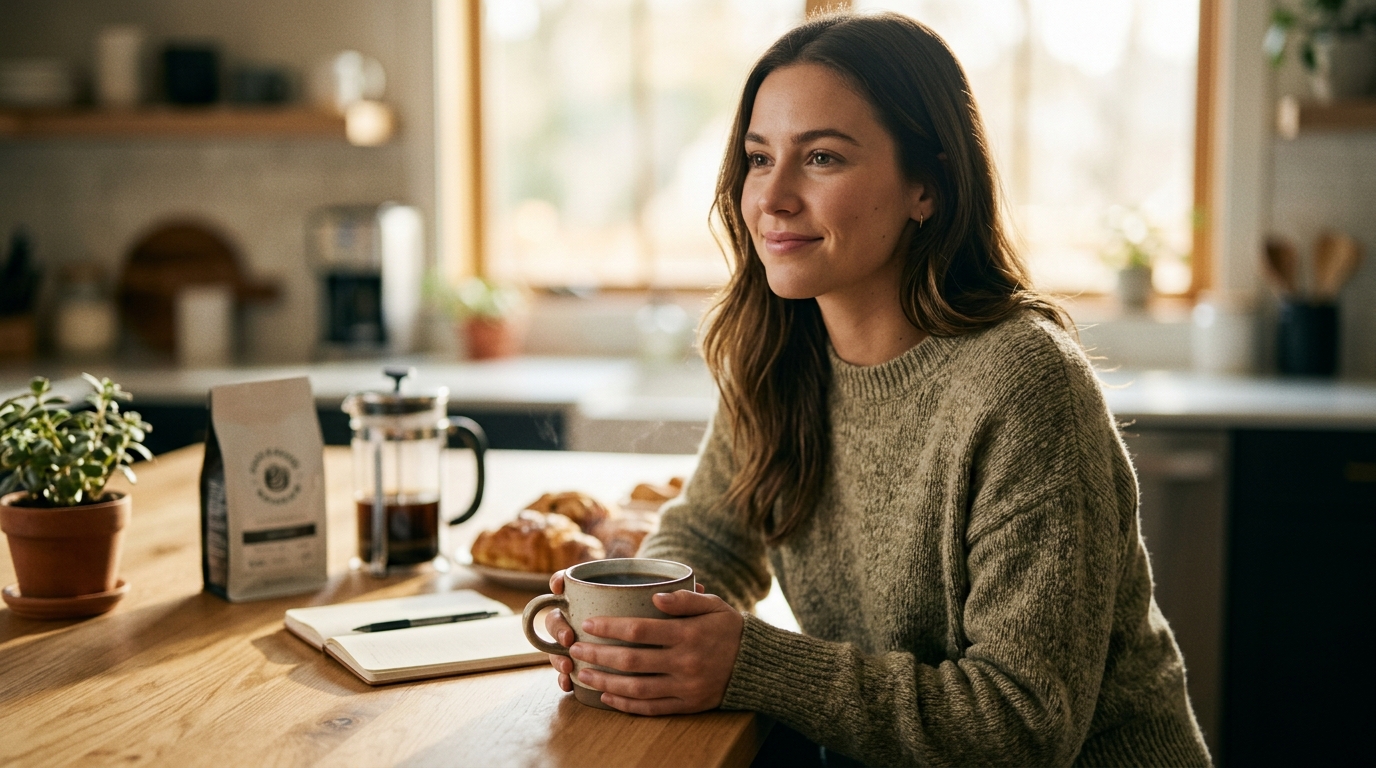
According to the National Coffee Association, American consumers drink an average of 2.8 cups daily. This consistent consumption pattern proves that daily brewing habits require reliable flavor consistency. Beginners often struggle with single-origin beans because their distinct terroir creates unpredictable acidity. A carefully engineered coffee blend solves this problem by balancing acidity, body, and sweetness. This guide compares the most accessible blend categories to help you select your first bag with confidence.
Understanding Coffee Blends
What Defines a Blend
A coffee blend is a carefully measured combination of beans from multiple geographic origins. Roasters intentionally mix these beans to achieve a specific flavor target. Single-origin beans highlight regional soil conditions, which often creates sharp acidity. Blends smooth out those sharp edges by introducing beans with higher sugar content. This balancing act creates a predictable cup that appeals to new drinkers.
The Roasting Process
A roast profile is the documented temperature curve applied during the drying and development phases. Roasters adjust heat exposure to manipulate caramelization levels. Light roasts preserve bright fruit notes but often overwhelm beginners with sourness. Dark roasts emphasize bitterness and heavy body, which can mask subtle flavors. Medium roasts strike the perfect middle ground for novice palates. You can explore our curated blends collection to see how different roasting curves affect the final cup.
Why Blends Suit Beginners
Flavor Consistency
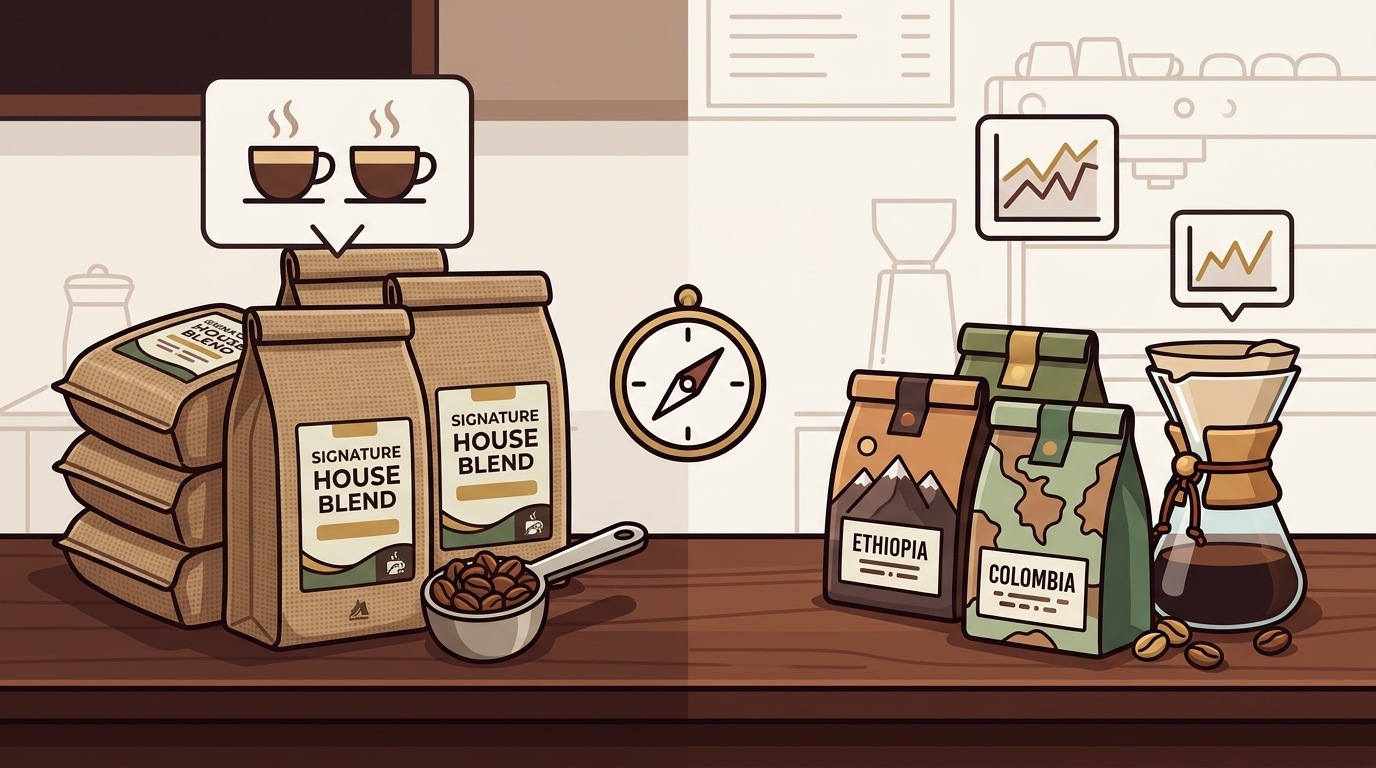
Batch-to-batch consistency remains the primary advantage of blended coffee. Agricultural harvests vary wildly due to weather patterns and soil changes. Roasters compensate for these agricultural fluctuations by adjusting their blend ratios. This technical adjustment ensures your morning cup tastes identical month after month. Consistency builds drinking confidence and eliminates guesswork during your early brewing stages.
Reduced Bitterness
High-altitude beans often produce intense acidity that beginners mistake for bitterness. Blending these beans with lower-altitude varieties naturally neutralizes harsh compounds. The resulting cup delivers a smoother mouthfeel without sacrificing complexity. You will notice fewer astringent aftertastes when using properly formulated blends. This smoothness makes daily drinking much more enjoyable for new enthusiasts.
Top Blend Categories to Explore
Medium Roast Profiles
Medium roasts dominate the beginner market because they balance sweetness and acidity. These profiles typically feature chocolate, nut, and caramel flavor notes. The roasting process breaks down chlorogenic acids, which reduces stomach irritation. You get a full body without the heavy char of dark roasts. Our complete coffee catalog features multiple medium roast options designed for everyday drinking.
Flavored Variations
Flavored coffee utilizes natural or artificial oils to infuse specific aromatics. Vanilla, hazelnut, and caramel remain the most popular additions for newcomers. These flavorings mask any remaining bitterness while adding familiar dessert-like notes. Flavored blends work exceptionally well with milk and cream additions. You can browse our flavored coffee section to find your preferred aromatic profile.
Single Origin Alternatives
Single origin coffee is a carefully sourced batch of beans harvested from one specific farm or region. These beans showcase unique soil characteristics and processing methods. Beginners often find single origins too complex or intensely acidic. Starting with a blend allows you to build your palate before exploring single origins. You can eventually transition to our single origin collection once you master basic brewing techniques.
How to Choose Your First Bag
Reading Labels
Roaster labels provide critical information about roast date and flavor notes. Always prioritize bags with a recent roast date, typically within two weeks of purchase. Stale beans lose their volatile aromatic compounds and taste flat. Look for explicit roast level indicators like light, medium, or dark. These labels directly correlate with the acidity and body you will experience. The Specialty Coffee Association recommends checking roast dates to ensure peak freshness.
Testing Sample Packs
Sample packs allow you to test multiple roast profiles without committing to full bags. These kits typically contain small portions of different blend categories. You can brew each sample using your preferred method and compare results. This low-risk approach saves money and accelerates your learning curve. Our sample pack collection is specifically designed for exploratory drinking.
Brewing Basics for Blends
Water Temperature
Water temperature directly impacts extraction efficiency and flavor clarity. The USDA dietary guidelines recommend maintaining water between 195 and 205 degrees Fahrenheit. Boiling water scorches coffee grounds and releases excessive bitterness. Cooler water fails to extract enough sugars, resulting in a sour cup. Using a temperature-controlled kettle ensures consistent extraction every time.
Grind Size
Grind size determines the surface area exposed to hot water during brewing. Fine grounds extract too quickly and create harsh, astringent flavors. Coarse grounds extract too slowly and produce weak, watery coffee. Medium-fine grind sizes work best for drip machines and pour-over methods. Adjusting your grinder dial allows you to fine-tune the extraction process. The Journal of Agricultural and Food Chemistry confirms that particle size directly correlates with flavor compound release.
Where to Source Quality Beans
Subscription Models
Subscription services deliver freshly roasted coffee directly to your doorstep. These programs typically offer flexible delivery schedules ranging from weekly to monthly. You can pause or modify shipments whenever your preferences change. Subscription models often include exclusive blend releases and early access to seasonal roasts. This convenience eliminates the guesswork of grocery store shopping.
Shipping Policies
Domestic shipping policies vary significantly between roasters and retailers. Many premium roasters offer free shipping on orders above a specific threshold. You should always verify shipping costs before completing your purchase. Fast shipping preserves bean freshness by minimizing warehouse storage time. Our platform provides free shipping on all U.S. orders to ensure your beans arrive at peak freshness.
Key Takeaways
- Medium roast blends provide the ideal balance of acidity and sweetness for novice drinkers.
- Sample packs allow low-risk testing of multiple roast profiles before committing to full bags.
- Roast dates indicate peak freshness, with optimal consumption occurring within two weeks of roasting.
- Water temperature between 195 and 205 degrees Fahrenheit ensures proper extraction without bitterness.
- Flavored coffee blends mask residual acidity while delivering familiar dessert-like aromatics.
- Subscription models offer flexible delivery schedules and exclusive access to seasonal roasts.
- Single origin beans showcase regional terroir but often require an established palate to appreciate.
Frequently Asked Questions
What is the difference between a blend and a single-origin coffee?
A blend combines beans from multiple geographic regions to create a balanced flavor profile. Single-origin coffee features beans harvested from one specific farm or country. Blends prioritize consistency and smoothness, while single origins highlight unique regional characteristics. Beginners typically prefer blends because they offer predictable acidity and body.
How do I know if a coffee blend is too strong for my taste?
Strong blends usually feature dark roasts with heavy body and pronounced bitterness. You can identify these profiles by looking for tasting notes like dark chocolate or smoky undertones. If you experience astringency or stomach discomfort, switch to a medium roast blend. Medium roasts deliver sweetness without overwhelming bitterness or harsh aftertastes.
Can I add milk or sugar to a coffee blend?
Adding milk or sugar to a coffee blend is completely acceptable and highly recommended. Medium and dark roasts pair exceptionally well with dairy or plant-based alternatives. The fat content in milk naturally rounds out sharp acidity and bitterness. Sugar enhances caramelization notes without masking the underlying coffee flavor.
How long does a bag of blended coffee stay fresh?
Blended coffee maintains peak flavor for approximately four to six weeks after roasting. Oxygen exposure gradually degrades volatile aromatic compounds and increases staling. Storing beans in an airtight container away from direct sunlight preserves freshness. Freezing beans extends shelf life but requires careful portioning to prevent moisture absorption.
Is it better to grind whole beans or buy pre-ground coffee?
Grinding whole beans immediately before brewing preserves maximum aromatic complexity. Pre-ground coffee loses volatile compounds rapidly due to increased surface area exposure. Whole bean grinding allows you to adjust particle size for different brewing methods. Pre-ground options remain convenient but sacrifice flavor clarity and freshness.
What brewing method works best for beginner coffee blends?
Drip coffee makers and pour-over methods work exceptionally well with beginner blends. These methods provide consistent water contact time and even extraction rates. French press brewing requires a coarser grind but delivers a richer body. Cold brew extraction highlights sweetness while minimizing acidity and bitterness.
How much coffee should I use per cup of water?
Standard brewing ratios recommend using two tablespoons of ground coffee per six ounces of water. This ratio produces a balanced extraction without excessive bitterness or weakness. Adjust the measurement slightly based on your preferred strength and roast level. Weighing your coffee using a digital scale ensures precise and repeatable results.
Ready to Start Your Journey
Choosing the right coffee blend marks the beginning of a rewarding daily ritual. You now understand how roast profiles, flavor notes, and brewing methods interact. Our carefully curated collections make it easy to find your perfect match. Visit our main store at https://justcoffeestore.com to explore our full catalog. Start with a sample pack to test multiple profiles risk-free. Subscribe today to enjoy free shipping on all U.S. orders. Your perfect morning cup is just one click away.