

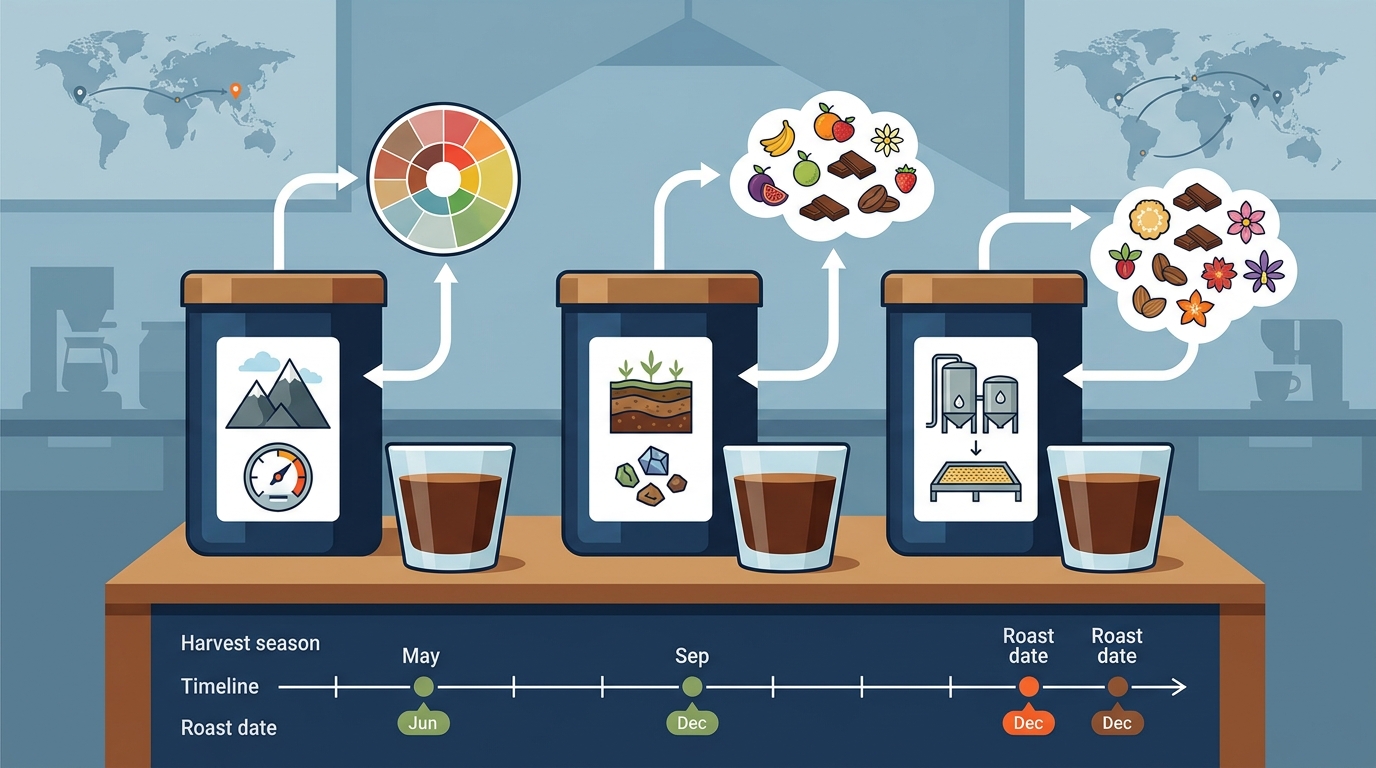
Selecting the ideal single-origin coffee requires understanding how altitude, soil composition, and processing methods shape flavor profiles. According to the Specialty Coffee Association, single-origin beans now represent over thirty percent of global specialty market sales. This shift reflects a growing consumer demand for traceable, transparent sourcing. You must evaluate roast dates, harvest seasons, and regional terroir to match your palate. The following framework breaks down the exact variables that determine quality.
Understanding Single-Origin Coffee
Single-origin coffee is a beverage category derived exclusively from one specific geographic region or farm. This definition eliminates blending across multiple harvest zones. You gain complete transparency regarding agricultural practices. Farmers often share sustainable harvesting techniques that protect local ecosystems. You should verify the farm name or cooperative on the packaging. This verification step guarantees authenticity. Visit our single origin collection to explore verified regional selections.
Evaluating Altitude and Terroir
Higher elevations force coffee cherries to mature slowly. This extended growth period concentrates sugars and acids within the seed. According to the United States Department of Agriculture, crops grown above five thousand feet consistently produce brighter acidity. You must match your brewing equipment to these density variations. Light roasts preserve delicate floral notes. Dark roasts often mask high-altitude complexity. Check our all coffees page for altitude-specific recommendations.
Processing Methods and Flavor Development
Processing determines how mucilage and parchment interact with drying beans. Wet processing is a preparation technique that removes fruit immediately, yielding clean, crisp cups. Dry processing leaves the fruit on the seed, creating heavier body and fermented notes. The International Coffee Organization reports that washed beans account for nearly sixty percent of premium exports. You should select your method based on desired mouthfeel. Lighter roasts pair best with washed varieties. Darker profiles complement natural or honey processes. Browse our blends and flavored collections for experimental profiles.
Roast Levels and Bean Density
Roasting transforms raw agricultural seeds into aromatic compounds. Light roasts preserve origin characteristics but require precise extraction. Medium roasts balance acidity and sweetness for daily drinking. Dark roasts introduce caramelization and bitterness. The National Coffee Association states that light roasts retain the highest antioxidant levels. You must adjust grind size and water temperature accordingly. Coarser grinds prevent over-extraction. Finer grinds maximize surface area. Explore our sample packs to test roast preferences safely.
Regional Comparison
Different continents produce distinct chemical profiles. Ethiopian beans typically feature blueberry and jasmine notes. Colombian varieties emphasize chocolate and nutty undertones. Brazilian crops deliver low acidity with heavy caramel sweetness. The following matrix outlines these regional distinctions.
| Region | Typical Altitude | Processing Style | Flavor Profile | Best Brew Method |
|---|---|---|---|---|
| Ethiopian Yirgacheffe | 1,800 to 2,200 meters | Washed | Floral, citrus, tea-like | Pour-over |
| Colombian Supremo | 1,500 to 1,900 meters | Washed | Chocolate, caramel, nutty | Drip or French press |
| Brazilian Santos | 800 to 1,300 meters | Natural | Low acidity, heavy body | Espresso or cold brew |
Key Takeaways
- Single-origin coffee is a beverage category derived exclusively from one specific geographic region or farm.
- Higher elevations force coffee cherries to mature slowly, concentrating sugars and acids within the seed.
- Wet processing removes fruit immediately, yielding clean, crisp cups.
- Light roasts preserve origin characteristics but require precise extraction.
- Ethiopian beans typically feature blueberry and jasmine notes.
- Colombian varieties emphasize chocolate and nutty undertones.
- Brazilian crops deliver low acidity with heavy caramel sweetness.
Frequently Asked Questions
What exactly defines single-origin coffee?
Single-origin coffee is a beverage category derived exclusively from one specific geographic region or farm. This definition eliminates blending across multiple harvest zones. You gain complete transparency regarding agricultural practices.
How does altitude affect coffee flavor?
Higher elevations force coffee cherries to mature slowly. This extended growth period concentrates sugars and acids within the seed. You must match your brewing equipment to these density variations.
Which processing method produces the cleanest cup?
Wet processing removes fruit immediately, yielding clean, crisp cups. Dry processing leaves the fruit on the seed, creating heavier body and fermented notes. You should select your method based on desired mouthfeel.
Should I buy light or dark roast for single-origin?
Light roasts preserve origin characteristics but require precise extraction. Medium roasts balance acidity and sweetness for daily drinking. Dark roasts introduce caramelization and bitterness.
How can I test beans before committing to a full bag?
Sample packs allow you to evaluate multiple roast profiles safely. You can compare extraction rates and flavor notes side by side. This approach minimizes financial risk while expanding your palate.
What brewing equipment works best for high-altitude beans?
Pour-over devices highlight the bright acidity and floral notes. French presses retain heavier oils and create a thicker mouthfeel. Cold brew systems extract sweetness while suppressing bitterness. Match your hardware to your preferred intensity.
Next Steps
Ready to explore verified regional selections? Visit our main store to browse current inventory. You can also take advantage of free shipping on all U.S. orders. Our team curates every batch for freshness and traceability. Start your tasting journey today.