
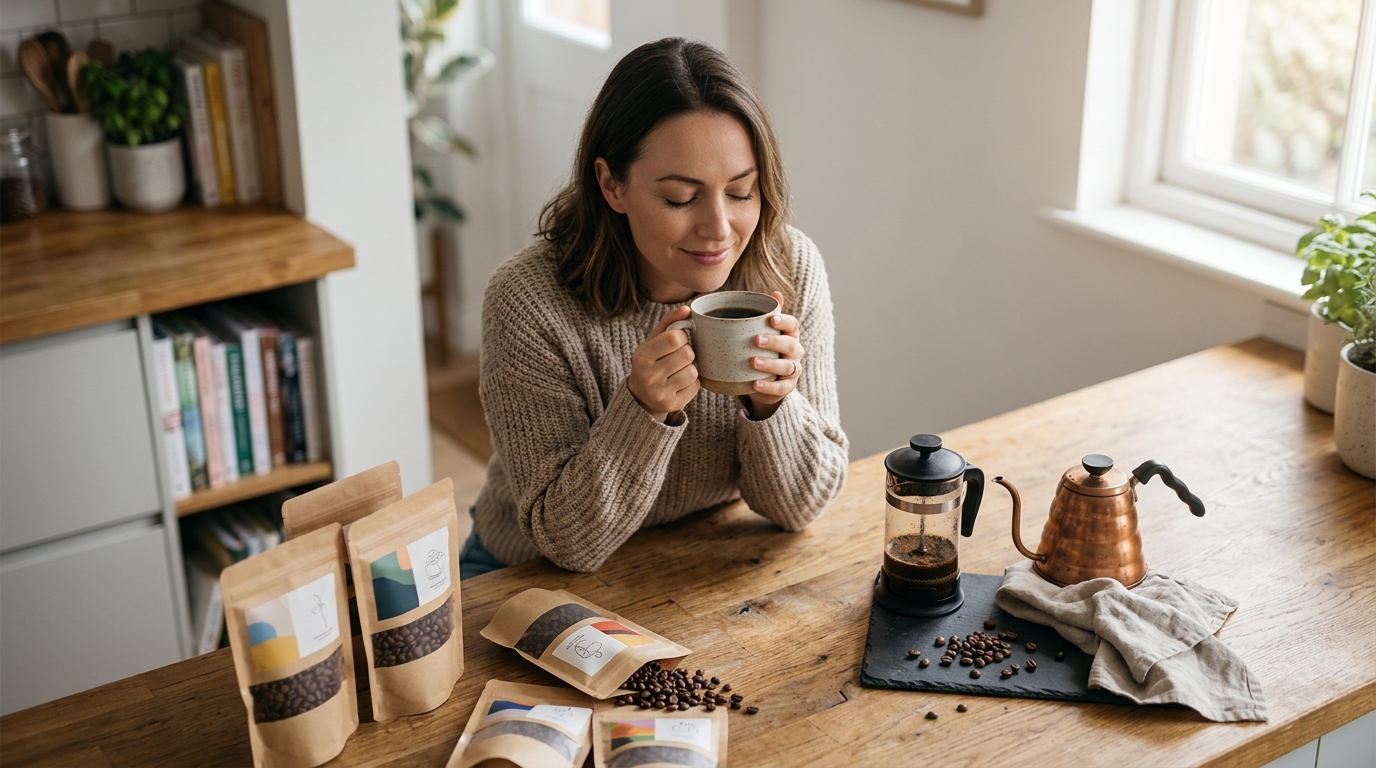
Starting your coffee journey can feel overwhelming with so many options available. Coffee blend is a mixture of different beans roasted together to create a consistent flavor profile. Millions of consumers worldwide enjoy daily cups, yet many beginners struggle to find the right match for their palate. This guide breaks down the best coffee blends for beginners, helping you navigate roasts, flavors, and purchasing strategies with confidence.
Understanding Coffee Roast Profiles
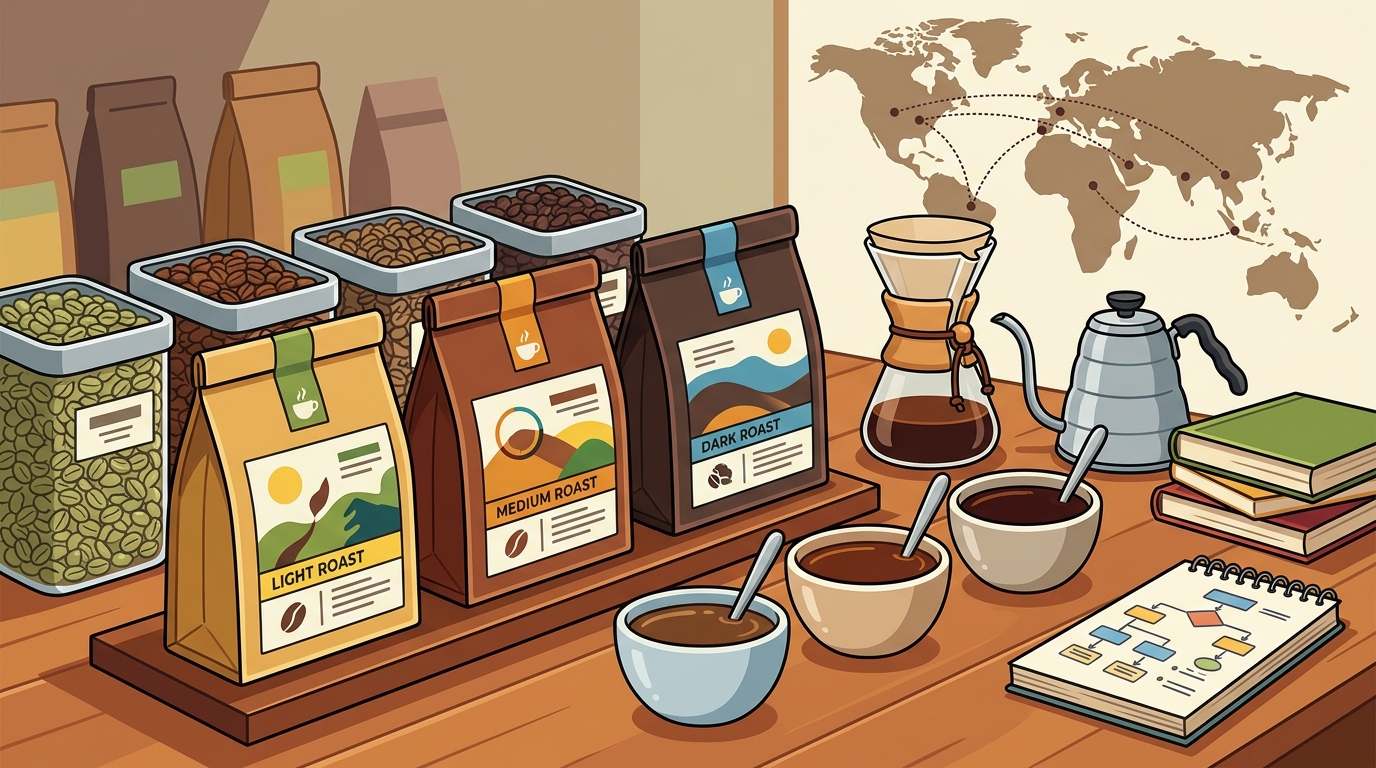
Roast level dictates the acidity, body, and flavor notes of your cup. Roast profile is the specific temperature and time curve applied to green beans during processing. Beginners often benefit from starting with medium roasts, as they offer a balance of sweetness and acidity without the harshness of dark roasts or the delicate fruitiness of light roasts.
Light roasts retain more origin characteristics but can taste sour to untrained palates. Dark roasts emphasize bitterness and body, often masking the bean's origin. Medium roasts provide a middle ground, making them the safest starting point for new drinkers.
Top Medium Roast Blends for Balanced Flavor
Medium roasts are the gold standard for beginners. They deliver a smooth experience with subtle sweetness and moderate acidity. Exploring our curated collection of coffee blends reveals options designed specifically for approachable taste.
These blends often combine beans from different regions to ensure consistency year-round. You get a reliable cup every time, which is crucial when building a daily habit. Look for descriptions mentioning chocolate, caramel, or nutty notes, as these are universally appealing to newcomers.
Exploring Dark Roast Blends for Bold Tastes
Sometimes beginners prefer a stronger kick. Dark roast blends offer rich, smoky flavors with low acidity. If you enjoy adding milk or sugar, dark roasts pair exceptionally well with dairy products.
These blends undergo longer roasting times, which reduces caffeine slightly and increases body. They are excellent for espresso-based drinks. However, if you plan to drink black coffee, start with a medium roast to appreciate the complexity before moving to darker profiles.
Why Coffee Sample Packs Are Essential for Discovery
The smartest way to find your favorite is through experimentation. Coffee sample packs are small batches of various roasts designed for tasting and comparison. Investing in sample packs allows you to test multiple profiles without committing to large bags.
Our sample pack collection offers a risk-free way to explore different flavors. You can compare light, medium, and dark roasts side by side. This approach saves money and helps you identify your specific preferences quickly.
Flavored Blends vs. Natural Coffee
Flavored coffees add syrups or oils to the beans after roasting. Flavored coffee is natural coffee infused with artificial or natural flavorings to enhance taste. These blends are popular for their dessert-like qualities, such as vanilla, hazelnut, or caramel.
Beginners often gravitate toward flavored blends because they mask bitterness. However, natural coffee allows you to develop your palate over time. We recommend trying natural blends first to understand the base flavors before adding sweeteners or flavorings.
The Role of Single Origin Beans in Blends
Single origin beans come from one specific farm or region. While blends offer consistency, single origins provide unique terroir. Single origin selections showcase the distinct characteristics of a location, such as fruity notes from Ethiopia or chocolatey tones from Brazil.
Blends often incorporate single origin beans to add complexity. A blend might use a Brazilian bean for body and an Ethiopian bean for brightness. This combination creates a dynamic cup that is both familiar and interesting for beginners.
How to Store and Brew Your Fresh Coffee
Freshness matters as much as the blend itself. Store your beans in an airtight container away from light and heat. Grind your beans just before brewing to preserve aromatics. Using the right grind size for your method ensures optimal extraction and flavor.
Avoid refrigerating or freezing beans unless you plan to store them for extended periods. Moisture and odors can compromise the quality. For beginners, a standard drip machine or French press works perfectly with most blends.
Comparison of Blend Types
| Blend Type | Flavor Profile | Best For | Beginner Rating |
|---|---|---|---|
| Medium Roast Blend | Balanced, sweet, nutty | Daily drinking, black coffee | Excellent |
| Dark Roast Blend | Bold, smoky, low acidity | Milk drinks, strong taste | Good |
| Flavored Blend | Sweet, dessert-like | Sweet tooth, casual sipping | Very Good |
| Sample Pack | Varied, exploratory | Discovery, gift giving | Essential |
Key Takeaways
- Medium roasts offer the best balance for beginners.
- Coffee sample packs allow risk-free exploration of flavors.
- Flavored blends mask bitterness but may limit palate development.
- Dark roasts pair well with milk and sugar additions.
- Blends ensure consistency across different harvest seasons.
- Proper storage and grinding preserve freshness and flavor.
Frequently Asked Questions
What is the easiest coffee blend to drink?
Medium roast blends are generally the easiest to drink. They balance acidity and bitterness, making them approachable for new palates. Look for notes of chocolate or caramel for a smooth experience.
Should beginners buy whole bean or ground coffee?
Whole bean coffee stays fresh longer than pre-ground options. Grinding just before brewing preserves aromatics and flavor. Most beginners can start with pre-ground if they prefer convenience.
How do I know if a blend is high quality?
Check the roast date and origin information. High-quality blends use fresh beans and transparent sourcing. Avoid blends with vague descriptions or added sugars.
Can I mix different coffee blends together?
Yes, you can create custom blends by mixing beans. This allows you to adjust strength and flavor to your liking. Experimenting with ratios is a fun way to learn.
What is the difference between a blend and single origin?
Blends combine beans from multiple regions for consistency. Single origins come from one location, highlighting specific regional characteristics. Blends are often more forgiving for beginners.
How often should I buy fresh coffee?
Buy coffee in quantities you will consume within two weeks. Freshness declines rapidly after roasting. Ordering smaller bags more frequently ensures the best taste.
Are flavored coffees healthy?
Flavored coffees are generally safe but may contain added sugars or artificial ingredients. Natural coffee offers health benefits without additives. Check labels for added sweeteners if health is a priority.
What brewing method works best for blends?
Most brewing methods work well with blends. Drip machines, French presses, and pour-overs all extract flavor effectively. Choose a method based on your preference for body and clarity.
Start Your Coffee Journey Today
Discover the perfect blend for your taste with Just Coffee. We offer free shipping on all U.S. orders, making it easy to try new roasts. Browse our full range of coffees and find your new favorite cup. Start brewing better coffee today.