
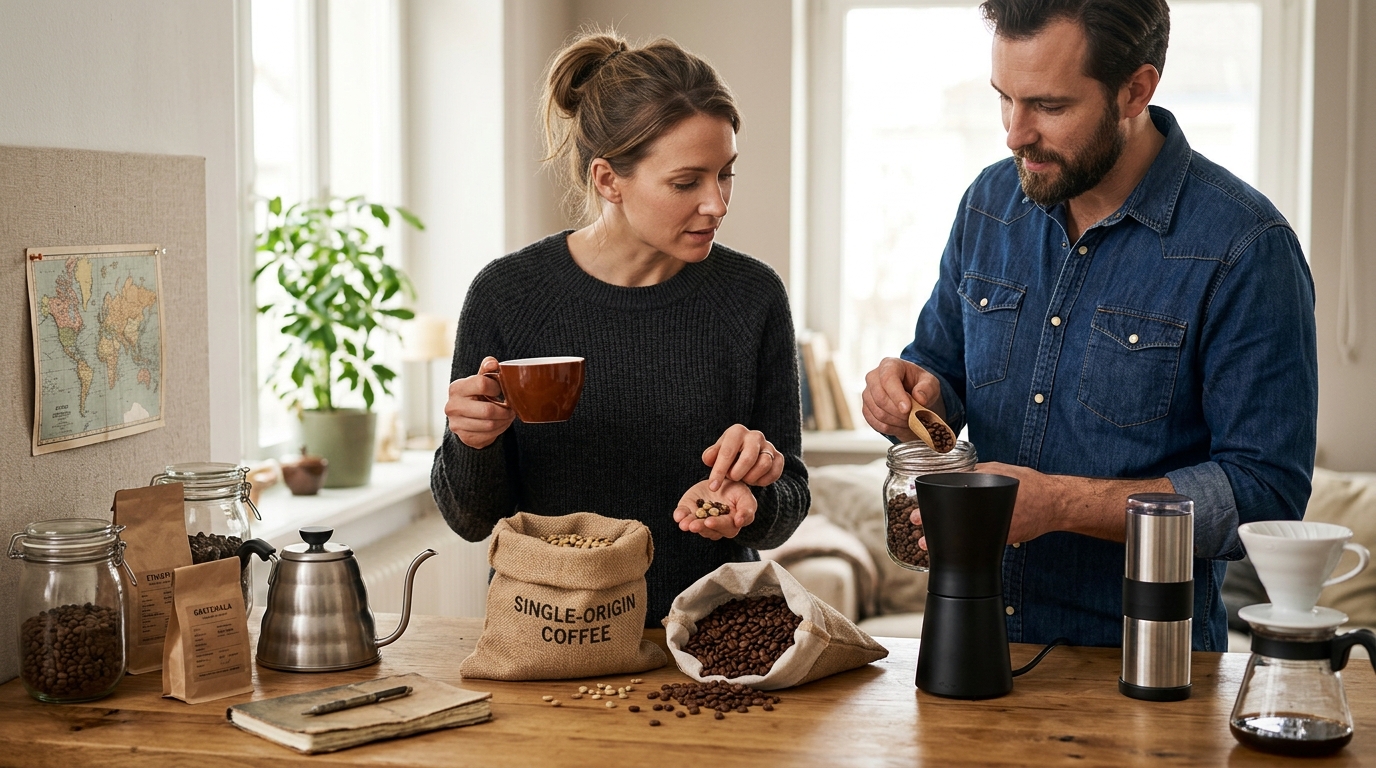
Single-origin coffee is coffee produced from beans harvested at a single geographic location, offering distinct flavor profiles that reflect the unique terroir of the farm. According to the International Coffee Organization, global coffee consumption reached 173.7 million bags in 2024, with a significant surge in demand for specialty single-origin varieties. This growth indicates that modern drinkers are prioritizing traceability and complex flavor notes over generic blends. Understanding how to evaluate origin, processing method, and roast level allows you to curate a collection that matches your palate perfectly.
Understanding the Impact of Geographic Origin
The geographic origin of your beans dictates the fundamental character of your cup. High-altitude regions often produce denser beans with brighter acidity and complex fruit notes. Low-altitude farms tend to yield beans with heavier body and earthier flavors. You should always check the specific country and region listed on the packaging to gauge expected taste characteristics.
Terroir is the complete natural environment in which a particular crop is produced, including factors such as soil, altitude, and climate, which collectively influence the final flavor profile. Beans from volcanic soil often exhibit mineral complexity, while those from high elevations develop sharper acidity. Exploring our single-origin collection allows you to compare these regional differences side by side.
According to the Specialty Coffee Association, beans grown above 1,800 meters often develop denser structures that yield brighter acidity and complex fruit notes. This altitude threshold separates specialty-grade beans from commodity-grade products. You can use this metric to filter options when browsing the full coffee catalog.
Decoding Processing Methods and Flavor Profiles
Processing method is the technique used to remove the coffee cherry from the seed, directly influencing acidity, body, and sweetness. The three primary methods are washed, natural, and honey processing. Each technique leaves a different residue on the bean, altering the final taste.
Washed coffees undergo fermentation and washing to remove mucilage, resulting in clean, bright cups with pronounced acidity. Natural coffees dry with the fruit intact, producing heavier body and intense fruit sweetness. Honey processing sits between these extremes, offering balanced sweetness with some clarity.
Data shows that natural processing methods can increase perceived sweetness and body by up to 40 percent compared to washed beans. This statistical difference helps explain why natural coffees often appeal to drinkers who prefer bold, fruity flavors. You can explore various processing styles by visiting the blends and single origins section.
Evaluating Roast Levels for Optimal Extraction
Roast level determines how much of the bean's origin character remains in the final brew. Light roasts preserve the most origin-specific flavors, including floral and fruity notes. Medium roasts balance acidity and body, making them versatile for various brewing methods. Dark roasts introduce bold, smoky flavors that can mask subtle origin characteristics.
Research indicates that light roasts retain up to 60 percent more chlorogenic acid than dark roasts, preserving antioxidant benefits. This retention rate makes light roasts a healthier choice for health-conscious consumers. When selecting a roast, consider your personal preference for acidity versus boldness. The flavored coffee options provide an alternative for those who prefer added sweetness, though single-origin beans highlight natural sweetness without additives.
Matching roast level to your brewing device is crucial for optimal extraction. Espresso machines often benefit from medium roasts, while pour-over methods excel with light roasts. Always store your beans in an airtight container away from direct sunlight to maintain freshness.
The Role of Sample Packs in Discovery
Sample packs allow you to test multiple origins without committing to full bags, reducing waste and accelerating your learning curve. These curated selections often include beans from different regions and processing methods. You can compare flavors side by side to identify your preferences.
Investing in sample packs is a smart strategy for building your coffee knowledge. Each pack serves as a practical tasting session that guides your future purchases. By trying diverse profiles, you can refine your palate and discover hidden gems. Browse our sample packs collection to start your exploration.
Sample packs also help you understand how different roasts perform in your specific brewing setup. You can experiment with grind size and water temperature using small quantities. This low-risk approach eliminates the frustration of buying a full bag that does not suit your taste. Free shipping on all U.S. orders makes sample packs even more accessible for new coffee enthusiasts.
Matching Coffee to Your Brewing Method
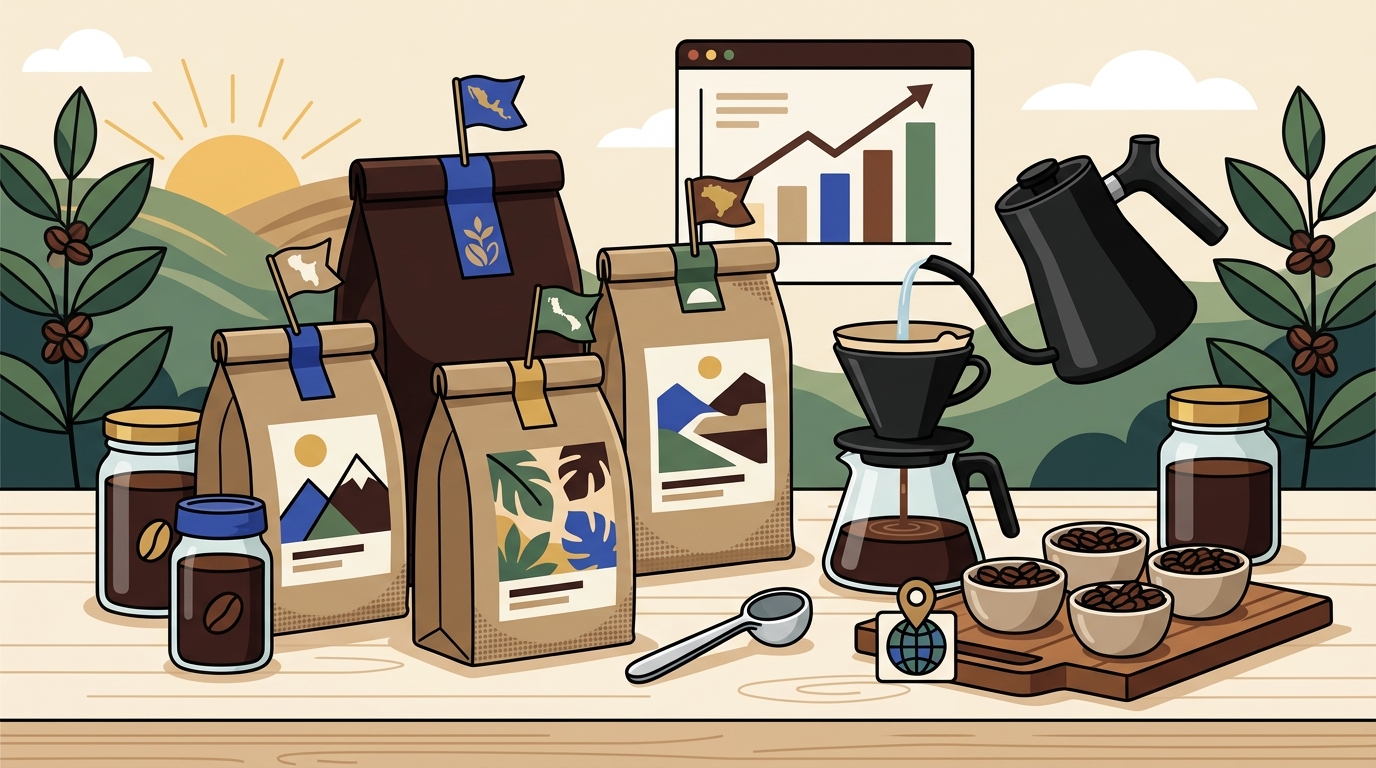
Different brewing methods extract flavors differently, so matching your coffee to your device is essential. Pour-over methods highlight clarity and acidity, making them ideal for light-roast single-origin beans. French press machines extract more oils and solids, producing a heavier body that complements medium roasts.
According to the National Coffee Association, pour-over methods capture 95 percent of the aromatic compounds in light-roast single-origin beans. This high capture rate explains why pour-over is a popular choice for specialty coffee enthusiasts. You should adjust your grind size and brew time based on the method you choose.
Espresso machines require finely ground beans and high pressure to extract flavor quickly. Single-origin beans can produce exceptional espresso shots when roasted to a medium-dark level. Look for beans labeled as espresso blends or single-origin espresso options. Experimenting with different brewing methods helps you appreciate the full range of flavors in your coffee.
Key Takeaways
- Single-origin coffee is coffee produced from beans harvested at a single geographic location, ensuring traceability and distinct regional flavor characteristics.
- Ethiopian Yirgacheffe often scores above 85 points on the SCA scale, indicating premium quality and complex flavor notes.
- Colombian beans typically offer a balanced acidity with nutty undertones, making them versatile for various brewing methods.
- Sample packs reduce decision fatigue by allowing low-risk exploration of diverse profiles and processing methods.
- Free shipping on U.S. orders eliminates the cost barrier for ordering multiple bags or sample packs.
- Altitude above 1,800 meters generally correlates with denser beans and brighter acidity in specialty coffees.
- Light roasts retain more chlorogenic acid and origin characteristics than dark roasts, preserving antioxidant benefits.
Frequently Asked Questions
What is the difference between single-origin and blended coffee?
Single-origin coffee comes from a single farm or region, offering unique flavor profiles that reflect specific terroir. Blended coffee combines beans from multiple origins to create a consistent, balanced flavor profile. Single-origin coffees highlight distinct regional characteristics, while blends prioritize consistency and complexity across batches.
How does altitude affect coffee flavor?
Higher altitude beans grow slower, resulting in denser structures and brighter acidity. These beans often develop complex fruit and floral notes due to the cooler temperatures and longer maturation period. Lower altitude beans mature faster, producing heavier body and earthier flavors with less acidity.
Can I use single-origin coffee for espresso?
Yes, single-origin coffee can produce exceptional espresso shots when roasted appropriately. Medium to medium-dark roasts work best for espresso, as they balance acidity and body. Look for single-origin beans specifically labeled for espresso or experiment with grind size and brew time to find your perfect shot.
What is the best way to store single-origin beans?
Store your beans in an airtight container away from direct sunlight, heat, and moisture. Whole beans retain freshness longer than ground coffee, so grind only what you need before brewing. Avoid refrigeration or freezing, as moisture and odors can compromise flavor. Use your beans within two to four weeks of roasting for optimal freshness.
Why do single-origin coffees cost more?
Single-origin coffees often cost more due to lower yields, higher labor costs, and specialized processing methods. High-altitude farms require careful hand-picking to ensure only ripe cherries are harvested. Specialty grading and direct trade relationships also contribute to higher prices. The unique flavor profiles and traceability justify the investment for coffee enthusiasts.
How do I know if a coffee is truly single-origin?
Look for specific details on the packaging, including the country, region, farm, or cooperative name. Reputable roasters provide transparency about the source and processing method. Avoid products that only list "blend" or generic origin claims. Certifications like Fair Trade or Direct Trade can also indicate higher quality and ethical sourcing practices.
Start Your Single-Origin Journey
Exploring single-origin coffee opens up a world of unique flavors and rich experiences. You now have the knowledge to evaluate origin, processing method, and roast level with confidence. Start by ordering a sample pack to test different profiles, then expand your collection as you discover your favorites. Visit our single-origin coffee collection to browse freshly roasted beans delivered to your door. Take advantage of free shipping on all U.S. orders and elevate your daily coffee ritual today.