
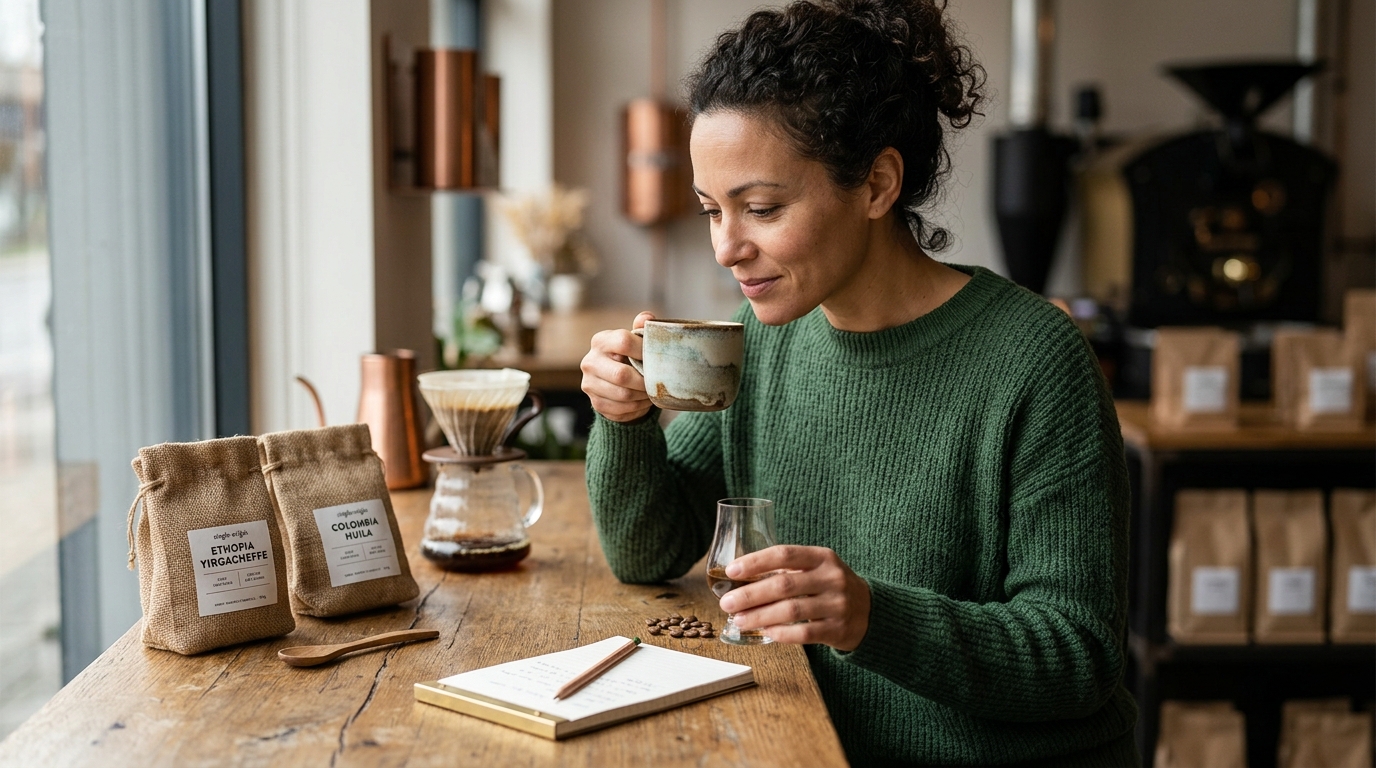
Single-origin coffee is defined as beans harvested from a single geographic location, farm, or estate, offering a distinct flavor profile that reflects the terpoir of its origin. This approach allows enthusiasts to experience the unique characteristics of specific regions without the masking effects of blending. When selecting your next bag, understanding the nuances of origin, processing methods, and roast levels ensures you capture the true character of the bean. Our Single Origin collection features carefully curated selections that highlight these distinct regional identities. By focusing on a single source, you gain access to the pure expression of the farmer's craft and the environment where the coffee was grown. This transparency empowers you to make informed choices that align with your palate and values.
Understanding Coffee Origins and Terroir
Origin plays a pivotal role in determining the flavor profile of your cup. Coffee grown at higher altitudes often develops slower maturation, resulting in brighter acidity and complex floral notes. Regions like Ethiopia, Colombia, and Guatemala are renowned for producing beans with distinct tasting characteristics. Exploring our Single Origin catalog reveals the diverse profiles available from these celebrated growing regions. Each region contributes specific mineral compositions to the soil, which directly impact the bean's development. Ethiopia is celebrated for its heirloom varieties that produce wine-like acidity and jasmine aromatics. Colombia offers a balanced profile with caramel sweetness and nutty undertones. Guatemala provides a rich body with chocolate notes and a smooth finish. Understanding these regional signatures helps you navigate the vast array of options available. You can filter your search by region to find beans that match your preferred flavor spectrum.
The Impact of Processing Methods
Processing method is defined as the technique used to remove the coffee cherry from the seed, significantly influencing the final flavor and body of the brew. Washed coffees tend to offer cleaner, brighter flavors with higher acidity. This method involves removing the fruit and mucilage before drying, which highlights the bean's natural acidity. Natural processed coffees often exhibit fruitier, sweeter notes with a heavier body. In this process, the beans dry inside the fruit, allowing sugars to penetrate the seed. Honey processed coffees fall between these extremes, retaining some mucilage during drying. This technique creates a cup with balanced sweetness and acidity. Understanding these distinctions helps you match your preference for clarity versus richness. You can explore various processing styles within our Single Origin collection to find your preferred style. The processing method is just as important as the origin in shaping the final taste experience.
Selecting the Ideal Roast Level
The roast level determines how much of the bean's origin character remains in the final cup. Light roasts preserve the delicate floral and fruity notes inherent to the origin. These roasts are stopped early to maintain the bean's structural integrity and complex sugars. Medium roasts provide a balanced profile with moderate acidity and body. This level brings out the sweetness while retaining some origin characteristics. Dark roasts introduce bold, smoky flavors that can overshadow subtle origin traits. These roasts are extended to develop oils on the surface, which can mask delicate notes. For single-origin beans, lighter to medium roasts are generally recommended to highlight the unique terroir. Browse our Blends to see how roasting profiles vary across different product lines. Blends often utilize darker roasts to create consistency and boldness. Single-origin offerings benefit from roasts that respect the bean's origin.
Decoding Tasting Notes and Flavor Profiles
Tasting notes describe the specific flavors detected when brewing and sipping the coffee. Common descriptors include citrus, chocolate, berry, nut, and floral hints. These notes are not added flavors but rather intrinsic characteristics of the bean. Learning to identify these nuances enhances your appreciation of single-origin varieties. Our Sample Packs offer an excellent way to experiment with multiple flavor profiles without committing to full bags. Sample packs allow you to compare different origins side by side. This approach reduces waste and helps you discover new favorites. Reading the tasting notes on the packaging provides a roadmap for your sensory experience. Look for descriptors that align with your personal preferences. If you enjoy bright, acidic cups, seek out notes of citrus and stone fruit. If you prefer a smoother, sweeter cup, look for chocolate and caramel descriptors.
Evaluating Terroir and Altitude
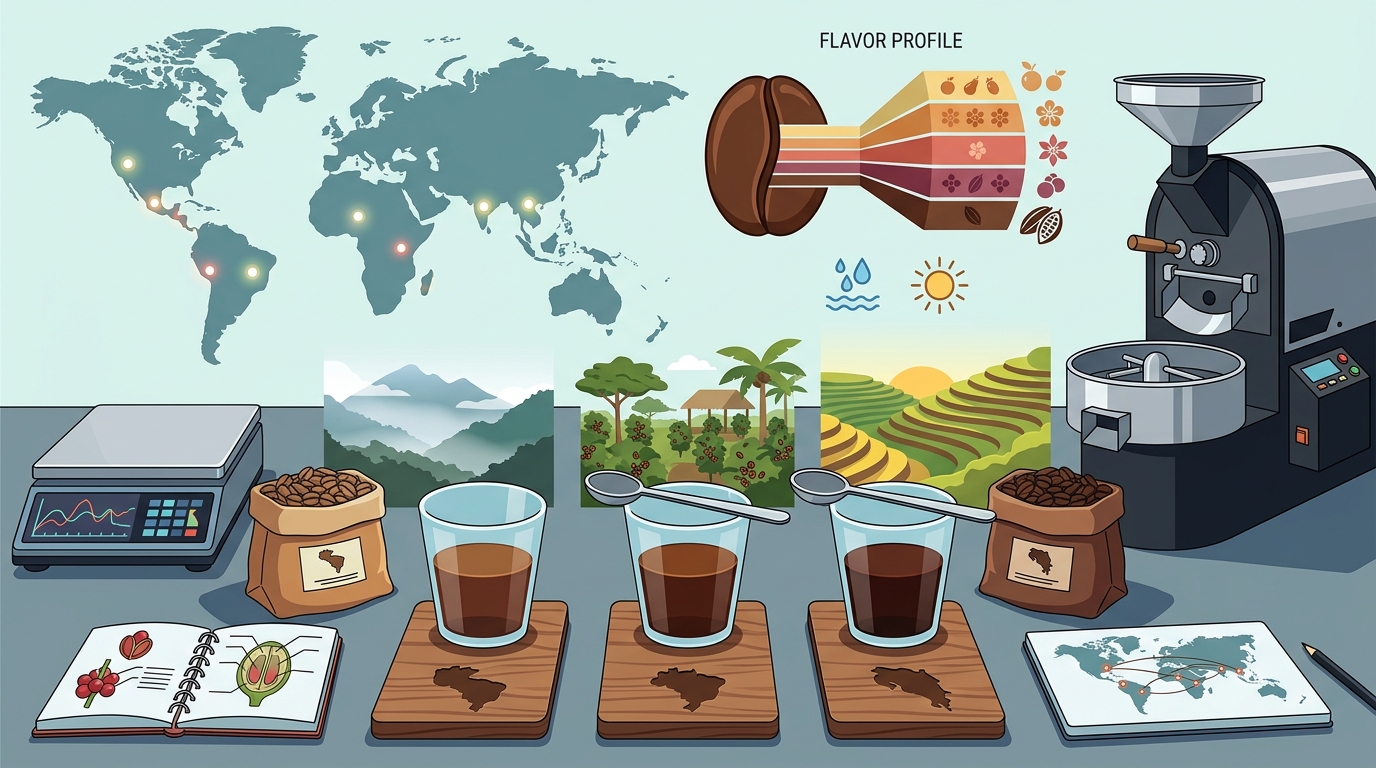
Terroir is defined as the complete natural environment in which a particular crop is grown, including soil, climate, and topography, which imparts unique characteristics to the coffee. High-altitude growing conditions typically produce denser beans with more complex sugars. These beans develop brighter acidity and nuanced flavors during the roasting process. Lower-altitude beans often yield a milder cup with earthier undertones. Assessing the altitude and region listed on the packaging helps you predict the intensity and flavor complexity. Visit our All Coffees page to filter options by region and altitude. Altitude is a critical factor in determining the density and sugar content of the bean. Beans grown above 1,800 meters often exhibit exceptional complexity. These high-grown coffees require longer maturation periods to develop their full potential. The combination of cool nights and warm days contributes to the bean's density. This density translates to a more flavorful extraction during brewing.
Origin Comparison Guide
| Origin Region | Altitude Range | Typical Flavor Profile | Brewing Recommendation |
|---|---|---|---|
| Ethiopia Yirgacheffe | 1,800 to 2,200 meters | Floral, Citrus, Wine-like | Pour-over to highlight acidity |
| Colombia Huila | 1,500 to 1,800 meters | Caramel, Nutty, Balanced | V60 or AeroPress for clarity |
| Guatemala Antigua | 1,500 to 1,700 meters | Chocolate, Spice, Full Body | French Press for richness |
| Kenya Nyeri | 1,600 to 2,000 meters | Blackcurrant, Tomato, Bright | Espresso for intensity |
Key Takeaways
- Single-origin coffee is defined as beans harvested from a single geographic location, farm, or estate, offering a distinct flavor profile that reflects the terroir of its origin. This definition ensures you know exactly where your coffee comes from.
- Processing method is defined as the technique used to remove the coffee cherry from the seed, significantly influencing the final flavor and body of the brew. Choose washed for clarity or natural for fruitiness.
- Terroir is defined as the complete natural environment in which a particular crop is grown, including soil, climate, and topography, which imparts unique characteristics to the coffee. High altitude generally correlates with denser beans and complex flavors.
- Light to medium roasts are recommended for single-origin beans to preserve delicate origin characteristics.
- Sample packs provide a low-risk way to explore multiple origins and flavor profiles.
- Reading tasting notes helps you select beans that match your personal flavor preferences.
- Free Shipping on All U.S. Orders makes it easier to try multiple varieties without extra costs.
Frequently Asked Questions
What is the difference between single-origin and blended coffee?
Single-origin coffee comes from one specific location, farm, or estate, showcasing unique regional flavors. Blended coffee combines beans from multiple origins to create a consistent, balanced profile. Single-origin offers transparency and distinct terroir expression, while blends prioritize consistency and boldness.
How should I store my single-origin coffee?
Store your coffee in an airtight container away from direct sunlight and heat. Keep the beans in a cool, dry place to preserve freshness. Avoid refrigeration or freezing, as moisture and odors can degrade the flavor. Use the beans within a few weeks of opening for the best experience.
What is the best brewing method for single-origin coffee?
Pour-over methods like the V60 or Chemex work well for highlighting the clarity and acidity of single-origin beans. These methods allow for precise control over extraction. Espresso can also showcase the intensity and body of high-quality single-origin roasts. Choose a method that aligns with your preferred flavor intensity.
How do I know if a single-origin coffee is high quality?
Look for details about the origin, altitude, and processing method on the packaging. High-quality beans often come from high-altitude regions and are processed with care. Reputable roasters provide tasting notes and origin information. Our Single Origin collection ensures each bag meets these quality standards.
Can I add flavor to single-origin coffee?
Single-origin coffee is best enjoyed without additives to appreciate its natural flavors. However, you can experiment with milk, sugar, or syrups to suit your taste. If you prefer flavored coffee, explore our Flavored collection for pre-flavored options. Adding flavor can mask the subtle nuances of single-origin beans.
What does altitude mean for coffee?
Altitude refers to the height at which coffee plants are grown above sea level. Higher altitudes slow down the maturation of the coffee cherry, resulting in denser beans. These denser beans develop more complex sugars and brighter acidity. High-altitude coffees are often associated with superior quality and flavor complexity.
Find Your Perfect Single-Origin Coffee
Choosing the perfect single-origin coffee involves understanding origin, processing, roast level, and terroir. Our Single Origin collection offers a curated selection of beans that highlight these characteristics. Take advantage of Free Shipping on All U.S. Orders to explore your options. Start with a Sample Pack to discover your favorite profile. Visit our Home page to browse the full range of coffees and teas. Your perfect cup is just a click away.